Table of Contents (9 sections)
Mobile networks are an integral part of our daily lives, underpinning the way we communicate, stream media, and access the internet on the go. Whether you're a tech enthusiast or someone who just uses a smartphone for calls and social media, understanding mobile networks is essential.
What are Mobile Networks?
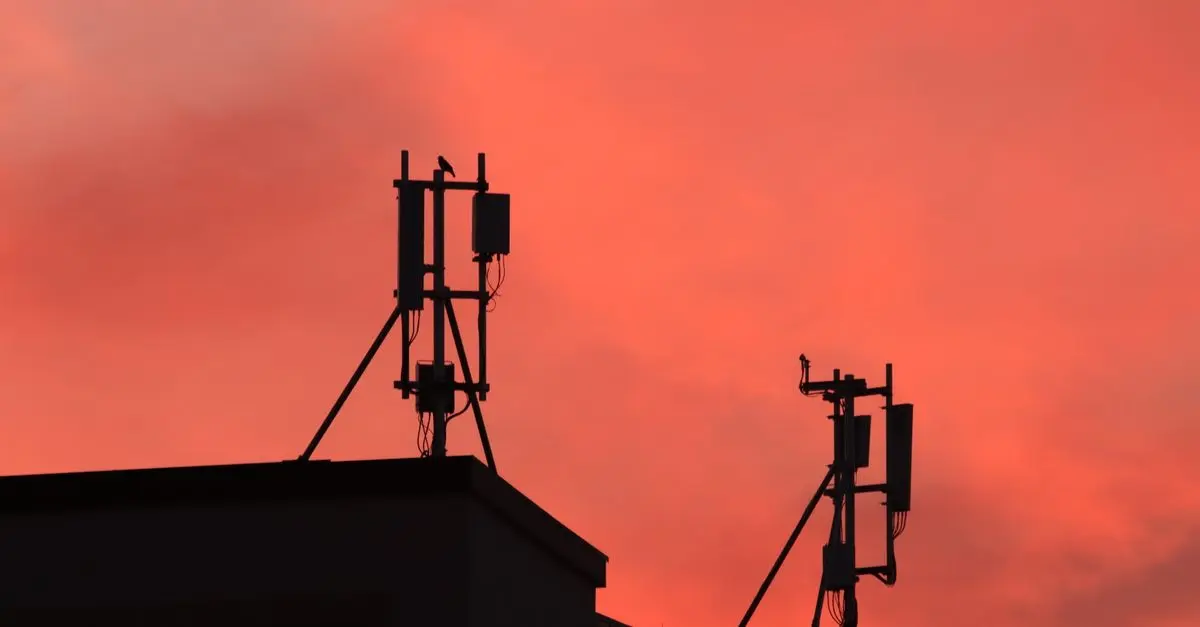
Mobile networks are communication systems that connect mobile devices such as smartphones and tablets to the internet and to one another. They are made up of a series of cell towers, satellite systems, and Wi-Fi networks that work together to transmit signals between devices and the internet.
The evolution of mobile networks has seen several generations, from 1G to the current 5G networks. Each generation represents a significant improvement in speed, capacity, and technology. For example, while 1G supported voice calls only at slow rates, 5G offers ultra-fast data speeds, enabling functionalities like virtual reality and advanced IoT (Internet of Things) applications.
How Do Mobile Networks Work?
Mobile phones communicate through radio waves, connecting to nearby cell towers. Here's a simple overview of how mobile networks operate:
- Signal Transmission: When you make a call or send a text, your mobile device sends a signal to the nearest cell tower.
- Encoding and Routing: This signal is then encoded and routed through a network of towers and servers before reaching its destination.
- Receiving the Signal: The recipient's device picks up the signal from a tower, enabling communication.
Benefits of Mobile Networks
Mobile networks offer convenience, connectivity on the go, and the ability to access information anytime and anywhere. They also support emergency services and essential communications in remote areas where fixed-line services may not reach.
Types of Mobile Networks
2G (Second Generation)
2G networks, launched in the early 1990s, introduced digital voice transmission, paving the way for SMS and MMS messaging. Although now largely outdated, 2G played a crucial role in transitioning from analogue to digital.
3G (Third Generation)
3G introduced faster data speeds, allowing for browsing and multimedia services. Speeds typically range from 200 kbps to several Mbps. 3G allowed the rise of smartphones, enabling applications and online services.
4G (Fourth Generation)
4G networks, particularly LTE (Long-Term Evolution), further improved mobile internet speeds with download speeds of up to 100 Mbps in motion and even higher with static devices. With 4G, high-definition video streaming and seamless online gaming became practical.
5G (Fifth Generation)
5G is the current standard, offering download speeds that can exceed 1 Gbps, significantly reducing latency. As of 2026, 5G is being widely adopted, providing opportunities for new technologies such as autonomous vehicles and smart cities. According to various reports, over 40% of mobile subscriptions worldwide are in 5G as telecommunication companies expand their networks.
| Network Type | Speed | Key Features | Use Cases |
|---|---|---|---|
| 2G | Up to 50 kbps | Voice and basic data services | Calls, SMS |
| 3G | Up to 2 Mbps | Mobile internet, streaming | Browsing, social media |
| 4G | Up to 100 Mbps | HD streaming, online gaming | Video calls, apps |
| 5G | Up to 1 Gbps+ | Ultra-reliable, low latency | IoT, AR/VR applications |
📺 Resource Video
> 📺 To go further: Understanding 5G Technology, an in-depth look at how 5G networks operate and their impact on society. Search on YouTube: "5G technology explained 2026"
Expert Insight
> 💡 Expert View: According to UFC-Que Choisir, the rapid deployment of 5G is set to revolutionize various industries, enabling technological advancements that were previously unimaginable. The increased capacity and lower latency will be critical in supporting innovations such as telemedicine and remote working solutions. Beyond consumer benefits, 5G will transform healthcare, automotive sectors, and various smart technologies, necessitating the need for continuous learning about these networks.
Frequently Asked Questions (FAQ)
What is the difference between 4G and 5G?
5G offers significantly higher speeds and lower latency than 4G, enabling more connected devices and advanced applications.
How does mobile internet work?
Mobile internet works by connecting your device to a network of cell towers that transmit data via radio waves, allowing for internet access when out of Wi-Fi range.
Why is network coverage important?
Network coverage ensures that you can make calls, send texts, and access the internet wherever you are. Areas with poor coverage can lead to dropped calls and slow internet speeds.
What does LTE mean?
LTE stands for Long-Term Evolution and is a standard for wireless broadband communication for mobile devices and data terminals, largely considered a 4G technology.
Glossary
| Term | Definition |
|---|---|
| Latency | The time it takes for a signal to travel from sender to receiver. Low latency is crucial for real-time applications. |
| Throughput | The maximum data transfer rate of a network measured in bits per second (bps). |
| Bandwidth | The maximum amount of data that can be transmitted over a network at one time, impacting speed and performance. |
Checklist Before Choosing a Mobile Plan
- [ ] Assess your data needs
- [ ] Check coverage in your area
- [ ] Compare plan features and prices
- [ ] Look into contract terms
- [ ] Evaluate customer service ratings
Understanding mobile networks equips you to make informed decisions about your mobile service and devices. As technology continues to evolve, staying informed will enhance your mobile experience and usability.
Dive deeper into mobile technology and make informed choices for your future communications.