Table of Contents (10 sections)
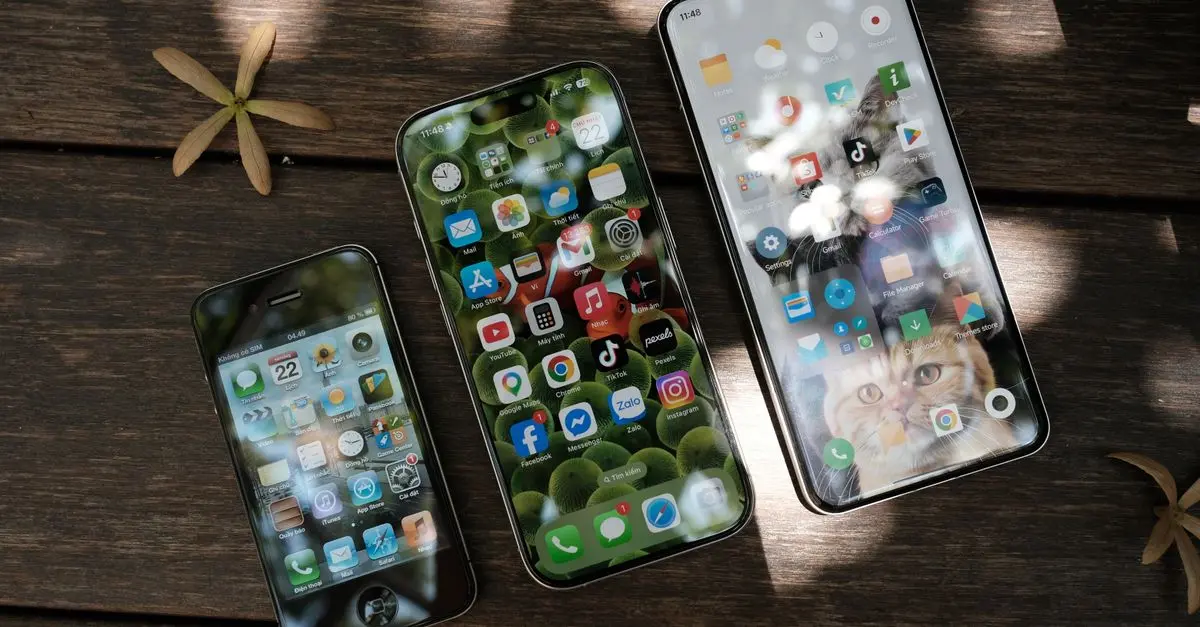
In the modern landscape of technology, mobile device ecosystems play a pivotal role in enhancing user experience. But what exactly is a mobile device ecosystem? Essentially, it refers to the interconnected network of devices, applications, services, and content that work seamlessly together. These ecosystems not only enable users to enjoy a smooth transition between devices but also offer functionalities that enhance productivity and leisure.
The significance of mobile device ecosystems cannot be overstated. For instance, integrated systems like Apple's iOS provide a synchronized experience across devices — from iPhones to iPads and Macs. Users benefit from features like AirDrop, Handoff, and iCloud, which allow for effortless sharing of files and continuity in tasks. Moreover, devices in these ecosystems often share security protocols, boosting user confidence in data protection.
In contrast, Android ecosystems, represented by various manufacturers like Samsung, Google, and OnePlus, decode a flexible yet fragmented environment. Each brand may offer custom interfaces and unique features that differentiate their devices while sharing a common base — Android OS.
The Main Components of Mobile Device Ecosystems
Mobile device ecosystems are comprised of several key elements:
- Devices: Smartphones, tablets, wearables, and even smart home gadgets.
- Operating Systems (OS): The software that runs these devices, such as iOS or Android.
- Applications: Software that provides specific functionalities, from productivity tools to games, which enhance user experience.
- Cloud Services: Platforms like iCloud or Google Drive that facilitate storage, synchronization, and accessibility of data across devices.
Understanding these components is crucial for users looking to maximize their mobile experience. For instance, choosing an ecosystem that offers comprehensive cloud storage can simplify file management across devices. Additionally, considering compatibility among devices can save users from connectivity frustration in day-to-day tasks.
Comparison of Major Mobile Device Ecosystems
When comparing mobile device ecosystems, it's essential to consider their features, usability, and security. Below is a comparison of the two leading ecosystems:
| Criteria | iOS Ecosystem | Android Ecosystem | Verdict |
|---|---|---|---|
| Device Variety | Limited to Apple products | Extensive from various manufacturers | Android offers more choices |
| User Experience | Seamless and intuitive | Varies by manufacturer | iOS is more consistent |
| App Availability | Strict App Store guidelines | Open Google Play Store | Android has more apps |
| Security Features | Strong hardware and software ties | Depends on manufacturer settings | iOS is generally more secure |
Trends and Statistics in Mobile Ecosystems
The growth of mobile device ecosystems has been substantial. According to Statista, the global smartphone market is expected to grow to 1.57 billion units by 2026. This rise is driven significantly by the expansion of ecosystems that support IoT integration. Moreover, Gartner predicts that by the end of 2026, there will be more than 80 billion connected devices worldwide, many of which will engage with mobile ecosystems.
The dominance of certain ecosystems is also noteworthy. For instance, Apple dominates the premium segment with approximately 50% of the market share in North America as of 2026. This is a significant indicator of users' preferences for robust ecosystems that guarantee high performance and reliable software support. As customers become increasingly reliant on their mobile devices, the demand for cohesive ecosystems that seamlessly integrate with their lifestyles will likely continue to rise.
Expert Advice on Choosing the Right Ecosystem
> 💡 Expert Opinion: When selecting a mobile device ecosystem, think about your lifestyle and how interconnected you need your devices to be. If you frequently use multiple devices and value security, an ecosystem like Apple's iOS may be preferable. On the other hand, if customization and variety in device choice are more important to you, consider an Android ecosystem.
Remember to also factor in software updates and support; ecosystems with a strong commitment to regular updates can enhance your device's longevity and security.
FAQ: Mobile Device Ecosystems
- What are mobile device ecosystems?
Mobile device ecosystems are interconnected systems of devices, applications, and services designed to provide a seamless user experience across different mobile platforms.
- Which is better: Android or iOS ecosystems?
It depends on user preference; iOS offers a more unified experience whereas Android provides flexibility and a wider range of device options.
- How do ecosystems affect app availability?
Different ecosystems have varied app availability due to store policies; iOS apps must meet strict guidelines while Android apps have fewer restrictions.
- Are there security differences between ecosystems?
Yes, typically, iOS offers stronger security due to its tightly controlled environment, while security on Android can vary by manufacturer.
Checklist before Choosing a Mobile Ecosystem
- [ ] Determine your device usage needs
- [ ] Consider the ecosystem's app availability
- [ ] Evaluate security features
- [ ] Research compatibility with other devices
- [ ] Assess budget and costs
Glossary
| Term | Definition |
|---|---|
| Ecosystem | A network of interconnected devices and services that work together to enhance user experience. |
| Operating System | The primary software that manages hardware and software resources on devices like phones or tablets. |
| IoT | Internet of Things; a network of connected devices that can collect and exchange data. |


📺 Resource Video
> 📺 For more insights: Understanding Mobile Ecosystems, covering the principles behind mobile ecosystems. Search on YouTube: "mobile device ecosystems 2026"
Recommended Products
- ---
📺 Pour aller plus loin : mobile device ecosystems 2026 sur YouTube
Recommended products
Selected by our experts
Reliance 30 gal 30000 BTU Natural Gas/Propane Mobile Home Water Heater
acehardware.com