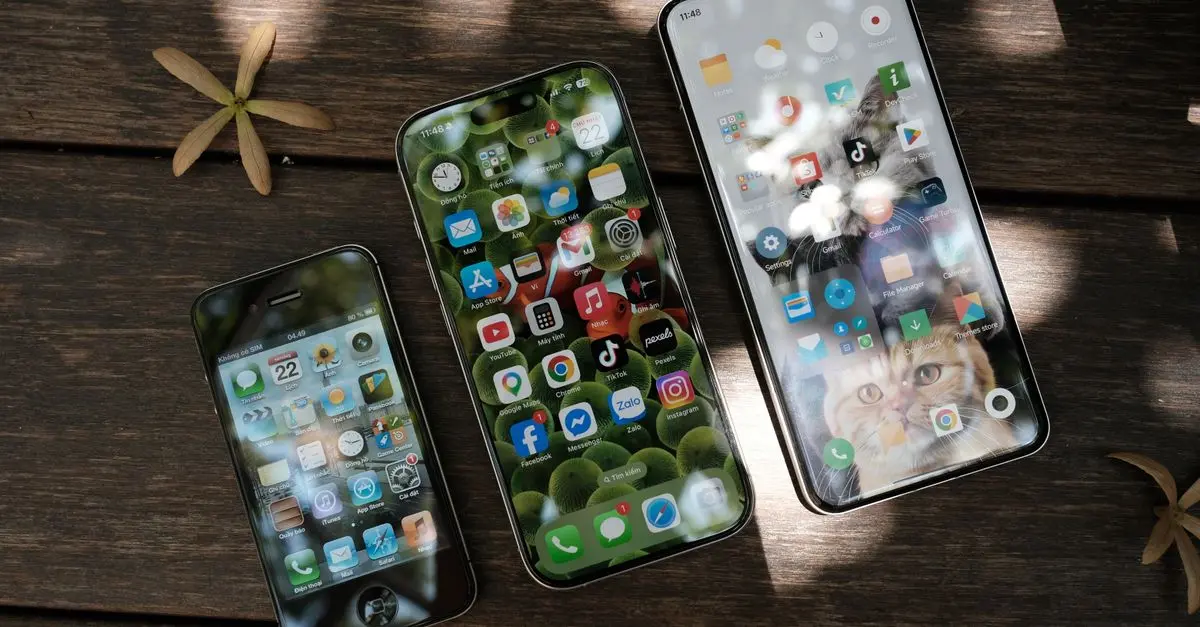
Table of Contents (10 sections)
In today's digital age, safeguarding your personal information is more critical than ever. With the increasing reliance on smartphones for managing our daily lives, understanding essential smartphone security features has become paramount. These features not only protect your device from unauthorized access but also secure your sensitive data from potential threats. In this article, we will explore the top five essential smartphone security features that every user should know.
1. Biometric Authentication
Biometric authentication has revolutionized smartphone security, offering a convenient and secure way for users to unlock their devices. This method relies on unique physical characteristics—such as fingerprints, facial recognition, or iris scans—to grant access. According to a report by TechCrunch, devices employing biometric security have seen a decrease in unauthorized access attempts by nearly 50%. Facial recognition features, for instance, utilize sophisticated algorithms to recognize your face from various angles. However, it's important to notice that while these systems are generally reliable, they can sometimes be circumvented by high-quality photographs or videos. Thus, it’s advisable to combine biometric methods with a strong PIN or password for an additional layer of security.
2. End-to-End Encryption
End-to-end encryption ensures that messages, calls, and data remain confidential. This technology encrypts information on the sender's device and decrypts it only upon arrival at the recipient's device. Messaging apps like Signal utilize this technology to protect user privacy. In fact, data from Pew Research Center indicates that approximately 61% of Americans believe that encryption is crucial for protecting personal data on their smartphones. As more threats emerge, choosing apps that offer end-to-end encryption can significantly enhance the security of your communications, making it much more difficult for eavesdroppers to access your information.

Smart Smartphone Case - For Samsung Galaxy XCover6 Pro Smartphone - Black
bestbuy.com

Drop Dash Deals Screen Clip Phone Mount, Universal Smartphone Holder Screen Clip Phone Mount, Universal Smartphone Holder
inspireuplift.com
3. Two-Factor Authentication (2FA)
Two-factor authentication is another essential feature for smartphone security. This method adds an extra layer of protection by requiring not only a password but also a second form of verification, such as a code sent to your phone or an authentication app. An analysis by NIST (National Institute of Standards and Technology) shows that enabling 2FA can block up to 99.9% of automated cyberattacks. Setting up 2FA on critical applications, such as banking and email, is highly recommended. Many smartphones now allow users to manage 2FA settings conveniently in their security menus, making it easier than ever to enhance protection against unauthorized access.
4. Regular Software Updates
Keeping your smartphone's operating system and applications up to date is crucial for maintaining security. Software updates often include patches that fix vulnerabilities and bugs that may be exploited by hackers. According to Symantec, 75% of smartphones running outdated software were found to be more susceptible to cyber threats. Users must enable automatic updates or routinely check for available updates to ensure their devices are equipped with the latest security measures. Additionally, consider downloading apps only from official stores like Google Play or Apple's App Store to further minimize risk.
5. Remote Wipe Capability
Remote wipe capability allows users to erase data from their smartphones if the device is lost or stolen. This feature is particularly important given that smartphones often contain sensitive information including banking details and personal messages. Services such as Find My iPhone and Google's Find My Device enable users to remotely access their phones and erase data within moments. A 2025 study found that 30% of smartphone users reported having considered using remote wipe options after experiencing theft or loss. By enabling this feature, you gain peace of mind, knowing that your data can be secured even if your physical device is not accessible.
📺 For more insights:
Check out videos on YouTube about smartphone security features. Search "smartphone security features 2026" for some great content.

StarTech.com Precision Electric Screwdriver with 55 bits, Alkaline Battery
lenovo.com

MOVO - PR-1 Smartphone Grip Handle Rig - Compatible with Most Smartphones
bestbuy.com

Movo PR-1 Smartphone Grip Handle Rig - Compatible with Most Smartphones black
shop.simon.com
Conclusion
Prioritizing smartphone security has never been more important. By understanding and implementing these essential smartphone security features, you can significantly mitigate risks and protect your personal information. Here’s a quick checklist:
- [ ] Activate biometric authentication
- [ ] Use end-to-end encryption where available
- [ ] Enable two-factor authentication on critical accounts
- [ ] Regularly update your software and apps
- [ ] Set up remote wipe capabilities
Glossary
| Term | Definition |
|---|---|
| Biometric Authentication | Verification method using unique physical traits, such as fingerprints or face. |
| End-to-End Encryption | Security method ensuring only sender and intended recipient can read messages. |
| Two-Factor Authentication | Additional security measure combining something you know and something you have. |
---
📺 Pour aller plus loin : smartphone security features 2026 sur YouTube
Recommended products
Selected by our experts