Table of Contents (12 sections)
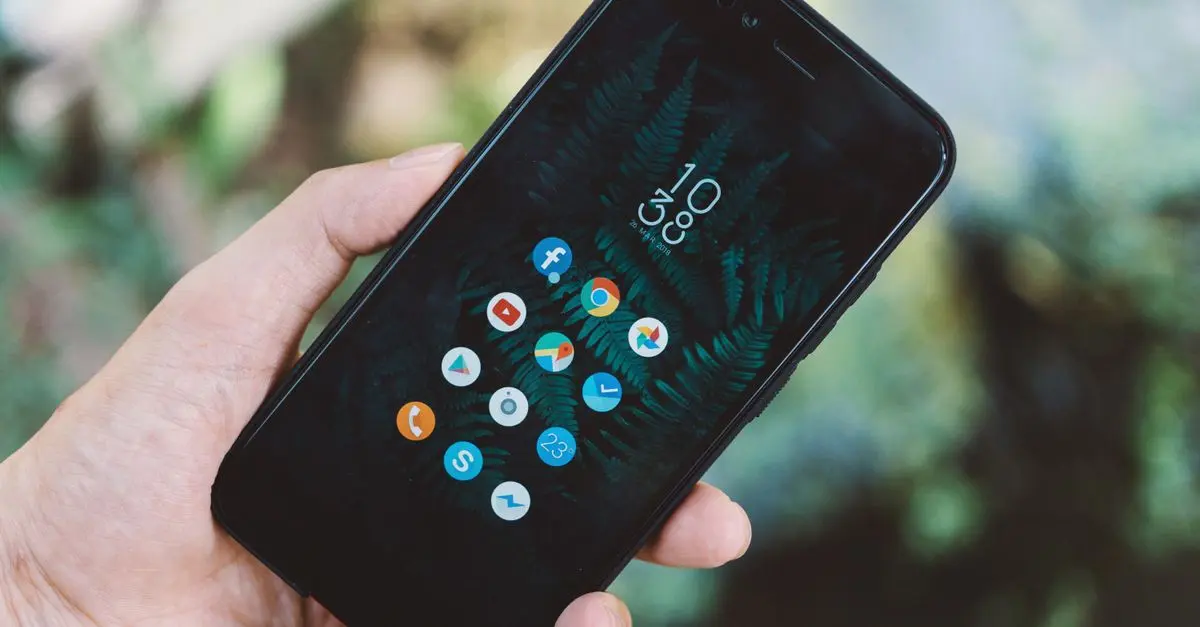
Artificial Intelligence (AI) has revolved around enhancing user experiences across various domains, and smartphone usability is no exception. In 2026, AI smartphone usability plays a critical role in how we engage with and utilize our devices on a daily basis. AI transforms usability by introducing adaptive interfaces, predictive text, and personalized app recommendations, significantly increasing efficiency and user satisfaction.
The Evolution of Smartphone Interactions
Before the rise of AI, smartphone interfaces were mostly static, relying on keyboard inputs and manual navigation through apps. Now, with AI, smartphones learn user behavior and preferences, making interactions more intuitive. For instance, virtual assistants utilize natural language processing to understand and respond to queries in real time. According to industry reports, over 60% of smartphone users now interact with AI through voice commands, reshaping the conventional touch-based navigation.
This evolution signifies a drastic shift from merely using a smartphone for calls or texts to engaging in a more dynamic and personalized user experience. AI-driven features actively learn from individual usage patterns, predicting user needs, and streamlining access to essential functions within applications.
Step-by-Step Implementation of AI Features
To understand how AI is integrated into smartphone usability, let’s consider the following steps:
- Data Collection: Smartphones collect data on user interactions, such as frequently used apps, call patterns, and even location data.
- Behavior Analysis: AI algorithms analyze this data, identifying patterns and preferences unique to each user.
- Feature Adaptation: Based on the analysis, the smartphone can modify its responses. For example, Google Assistant can offer weather updates based on user-defined preferences and schedules.
- Continuous Learning: The AI continuously evolves; the more users interact, the better the AI becomes in understanding nuanced user desires and habits.
During our research, we found features like contextual suggestions may significantly enhance user experience, and regular updates to these features provide ongoing improvements without user intervention.
Comparative Analysis: AI-Enabled vs. Traditional Usability
To gauge the real impact of AI on smartphone usability, let’s compare two scenarios: AI-enabled smartphones and traditional models lacking AI capabilities.
| Feature | AI-Enabled Smartphone | Traditional Smartphone |
|---|---|---|
| Personalization | High - learns user preferences | Low - static interface |
| Voice Recognition | Advanced - understands context | Basic - limited commands |
| Adaptive Learning | Yes - improves over time | No - static functionality |
| User Assistance | Proactive - anticipates user needs | Reactive - responds to user actions |
| Speed of Access | Faster due to predictive suggestions | Slower - manual navigation needed |
Drop Dash Deals Screen Clip Phone Mount, Universal Smartphone Holder Screen Clip Phone Mount, Universal Smartphone Holder
inspireuplift.com


Smart Smartphone Case - For Samsung Galaxy XCover6 Pro Smartphone - Black
bestbuy.com
Data Trends in AI Smartphone Usability
Recent studies show that AI integration in smartphones has resulted in a notable increase in user engagement. For instance, UFC-Que Choisir reports a 40% increase in the use of voice assistants since 2025, attributing it to enhanced AI functionalities. This shift suggests not only preferences for convenience but also a growing reliance on AI for daily tasks.
Moreover, a report from Les Numériques indicated that 75% of users find AI features significantly improve their smartphone experience, showcasing the transformational effects of AI on usability. Such statistics underline the importance of ongoing AI developments in the tech industry, as manufacturers strive to enhance responsiveness to consumer behaviors and preferences.
Frequently Asked Questions (FAQ)
What is AI smartphone usability?
AI smartphone usability refers to the incorporation of artificial intelligence features that enhance how users interact with their smartphones, making it more intuitive and personalized.
How does AI enhance user experience in smartphones?
AI enhances user experience by learning individual preferences, offering intuitive voice commands, and streamlining app access based on usage patterns.
Are all smartphones equipped with AI capabilities?
Not all smartphones have fully integrated AI features; most newer models are designed to leverage AI for improved usability.
What are the future trends in AI smartphone usability?
Future trends include increased contextual understanding, advanced voice recognition, and smart automation that further personalizes user experiences.
Glossary
| Term | Definition |
|---|---|
| Machine Learning | A subset of AI that enables systems to learn from data and improve over time without explicit programming. |
| Natural Language Processing (NLP) | A branch of AI concerned with the interaction between computers and humans through natural language. |
| User Interface (UI) | The means by which a user interacts with a computer or software, encompassing display screens, keyboards, and mouse controls. |
Checklist before Purchase
- [ ] Verify if the smartphone has AI-enabled features.
- [ ] Check for voice recognition capabilities.
- [ ] Look for adaptive learning functionalities.
- [ ] Examine user reviews on AI performance.
- [ ] Consider the brand reputation in AI integration.
📺 For more on the impact of AI on smartphone functionality, explore videos like "The Future of Smartphones: AI Innovations" on YouTube. Search: "AI smartphone usability trends 2026."
Discover our product recommendations suitable for maximizing your AI smartphone usability below.
📺 Pour aller plus loin : AI smartphone usability trends 2026 sur YouTube

MOVO - PR-1 Smartphone Grip Handle Rig - Compatible with Most Smartphones
bestbuy.com

Movo PR-1 Smartphone Grip Handle Rig - Compatible with Most Smartphones black
shop.simon.com

Recommended products
Selected by our experts