Table of Contents (11 sections)
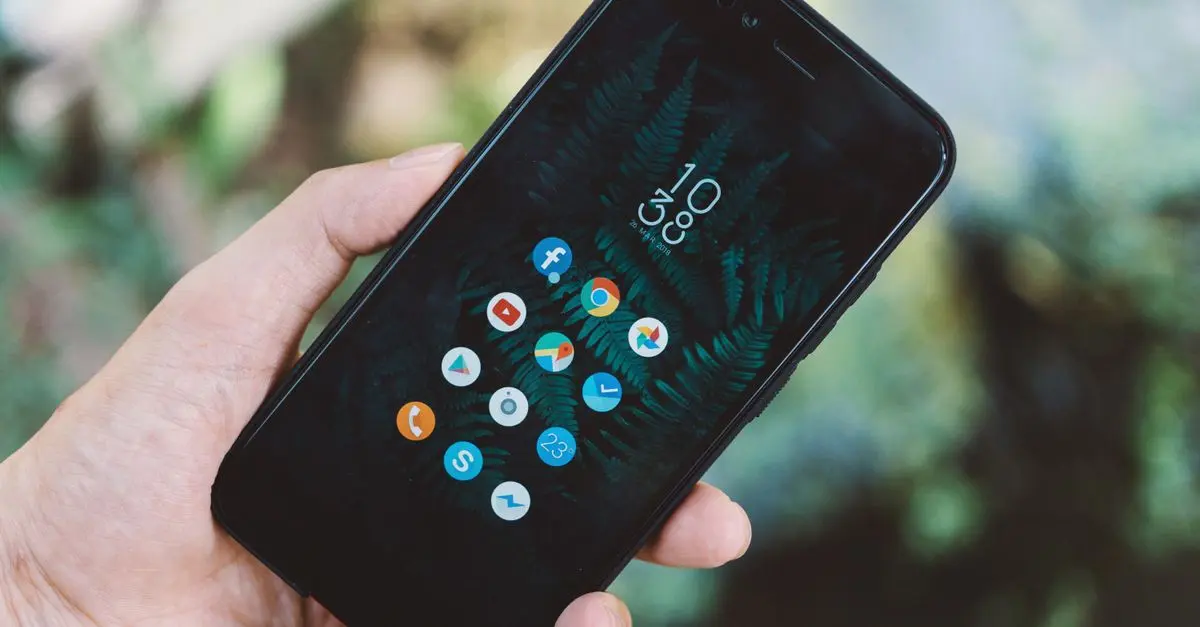
In the rapidly evolving world of technology, 5G has emerged as a game-changer. With the promise of faster data speeds, lower latency, and greater connectivity, 5G technology impacts a variety of fields, particularly mobile experiences. As we delve into its transformative influence, it becomes clear that our interaction with smartphones and mobile services is being reshaped fundamentally.
What is 5G Technology?
5G technology, or fifth-generation mobile networks, refers to the latest iteration of mobile connectivity. It offers significant improvements over its predecessors, primarily by providing faster data transfer speeds and improved reliability. Unlike 4G, which can reach speeds of about 100 Mbps, 5G can achieve speeds up to 10 Gbps under optimal conditions. This essential leap in technology is not just about speed; it enables more devices to connect without a decline in performance, making it a cornerstone for the connectivity of the future.
The low latency of 5G, which can be as little as 1 millisecond, allows for real-time communication, enhancing applications in various sectors like gaming, telemedicine, and autonomous driving. As mobile phone manufacturers continue to adopt 5G technology into their devices, users can expect a drastically improved mobile experience.
Enhanced Mobile Experiences
The most noticeable change in mobile experiences due to 5G technology impact is the improved streaming quality. A study conducted by Nielsen found that users with 5G connectivity enjoy a significantly enhanced experience when streaming videos, with 8K content becoming more feasible. This upgrade in streaming capabilities allows for smoother playback and reduced buffering time, making it ideal for streaming services like Netflix or YouTube.
Moreover, the gaming industry has greatly benefited from this technology. With cloud gaming applications such as Google Stadia or Xbox Game Pass, 5G enables users to play high-quality games without the need for dedicated hardware. The gaming experience becomes seamless, allowing for multiplayer interactions without noticeable lag, thus attracting more users into the realm of mobile gaming.

Titleist T250U Utility Iron 2026 - LEFT - HZRD BLK 5G 90X - #3/20 - Golf Clubs
carlsgolfland.com

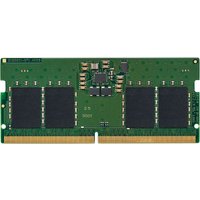
Kingston Technology ValueRAM 8 Go 1x8 Go DDR5 5600 MT/s 262-pin SO-DIMM
Topbiz FR
The Rise of IoT Connected Devices
5G is also set to drive a significant rise in the Internet of Things (IoT) sector. With the ability to connect a substantial number of devices simultaneously, 5G enables smart cities, connected vehicles, and smart homes to operate more efficiently. According to a report from GSMA, it is estimated that by 2026, there will be 25 billion connected devices globally, with a substantial portion relying on 5G networks.
This increased connectivity allows for better resource management in urban areas. For instance, smart traffic systems can adapt in real-time to traffic flow, reducing congestion and lowering emissions. Similarly, smart home devices can communicate seamlessly with each other, providing an enhanced user experience for residents.
Security Concerns and Solutions
As with any technological advancement, the advent of 5G technology does raise some security concerns. The vast number of connected devices increases the potential attack surface for cybercriminals. According to Cybersecurity Ventures, damages from cybercrime are expected to reach $10.5 trillion annually by 2025, emphasizing the need for robust security measures in the implementation of 5G networks.
One way companies are addressing these issues is by investing in security protocols tailored for 5G infrastructure. There are advancements in encryption techniques, network slicing, and enhanced identity verification, ensuring that even as connectivity grows, the security of sensitive user data remains paramount. As industries adopt these measures, consumers can feel more confident in the usage of 5G networks.
Comparative Analysis of 5G and Previous Generations
To better understand the significance of 5G technology, it's essential to compare it with its predecessors. The following table illustrates the comparative benefits:
| Feature | 4G | 5G | Verdict |
|---|---|---|---|
| Speed | Up to 100 Mbps | Up to 10 Gbps | A significant upgrade |
| Latency | 30-50 ms | 1 ms | Much faster response |
| Connected Devices | 2,000 Connections | 1 Million Devices | Much higher capacity |
| Network Reliability | Medium | High | More stable connections |
Future Predictions for Mobile Services
Looking ahead, the future of mobile services is set to be transformed by 5G technology. Businesses can leverage increased speeds and reliability to optimize operations and enhance customer service experiences. For instance, industries such as healthcare may utilize telehealth solutions more widely, leading to improved patient outcomes.
Additionally, with the rise in mobile commerce driven by better connectivity, businesses need to adapt to provide seamless and secure payment options on mobile platforms. The e-commerce sector is projected to exceed $6 trillion by 2023 according to eMarketer, showcasing the growing necessity for businesses to adopt advanced mobile solutions. This trend illustrates how vital 5G technology will be in shaping the retail landscape.
📺 For further insights:
Explore more about the impact of 5G on mobile experiences and trends in our YouTube channel. Search for: "5G mobile technology impact in 2026".
- What is 5G technology?
5G technology is the fifth generation of mobile networks, providing significantly higher speeds and lower latency than previous generations.
- How does 5G improve mobile gaming?
With lower latency, 5G allows for smoother online gaming experiences and enables cloud gaming services to function more effectively.
- What are the security risks associated with 5G?
The increase in connected devices could elevate cyber threats; however, enhanced security measures are being developed to address these concerns.
- How will IoT benefit from 5G?
5G technologies support the connection of millions of devices, facilitating smarter cities and homes.
Glossary
| Term | Definition |
|---|---|
| 5G | The fifth generation of mobile networks, designed for greater speed and connectivity. |
| IoT | Refers to the Internet of Things, which connects everyday devices to the internet. |
| Latency | The time delay experienced in a system, important for real-time communications. |
Checklist before buying a 5G phone
- [ ] Check for 5G compatibility.
- [ ] Compare pricing across different models.
- [ ] Consider battery life and performance.
- [ ] Evaluate camera quality.
- [ ] Look for customer support options.
📺 Pour aller plus loin : 5G mobile technology impact in 2026 sur YouTube
Recommended products
Selected by our experts
Titleist T250U Utility Iron 2026 - LEFT - HZRD BLK 5G 90X - #3/20 - Golf Clubs
carlsgolfland.com
This utility iron is an innovative choice for those looking to enhance their game, ideal for tech-savvy golf enthusiasts.
Kingston Technology FURY 16GB 3200MT/s DDR4 CL20 SODIMM Impact
Topbiz FR
Great for upgrading your gaming PC experience, making the most of what 5G technology has to offer in cloud gaming.
Kingston Technology ValueRAM 8 Go 1x8 Go DDR5 5600 MT/s 262-pin SO-DIMM
Topbiz FR
A powerful option suited for multitasking in mobile applications and games, ensuring users experience the full potential of 5G.