Table of Contents (18 sections)
The landscape of smartphone technology innovations is evolving rapidly, bringing forth advancements that reshape how we interact with our devices. In 2026, we are witnessing a shift towards more integrated, user-focused features that enhance usability and connectivity. This article examines the major trends set to impact the smartphone market and the user experience in significant ways.
📌 Overview of Smartphone Technology Innovations
Smartphone technology innovations encompass a wide array of advancements in hardware and software designed to improve user experience. These innovations are driven by consumer needs and technological possibilities, including enhanced connectivity, improved camera systems, and new interaction methods. As smartphones become central to daily life, understanding these trends ensures that users are informed and can make the best use of their devices.
1. Enhanced Artificial Intelligence Integration
AI technologies continue to permeate every aspect of smartphone design. In 2026, most smartphones come equipped with sophisticated AI that can predict user behavior, optimize battery life, and even enhance photography through intelligent scene recognition. For instance, AI algorithms can enhance low-light photos taken at night, offering users magazine-quality images without requiring professional knowledge.
This technological integration not only boosts personal productivity but also creates a more seamless user experience. According to a survey by Pew Research Center, 72% of consumers express satisfaction with AI features that streamline their daily tasks. This integration makes smartphones more intuitive, helping to customize the user’s workflow and lifestyle preferences.
Analysis
The rising reliance on AI in smartphones is an indication of a broader trend toward automation and personalization in tech. As AI capabilities continue to advance, we can expect even more innovative applications, such as voice-activated tasks and greater automation in routine activities, enhancing everyday convenience.
2. Foldable and Rollable Displays
Another exciting trend is the advancements in foldable and rollable display technology, allowing manufacturers to create versatile devices that adapt to user needs. In 2026, foldable displays have significantly improved in durability and functionality, with brands like Samsung and Huawei leading the charge.
Rollable screens present a unique solution; they allow for a compact device that expands when needed, maximizing screen real estate without sacrificing portability. Market analysts estimate that the rollable smartphone segment will grow by over 30% by 2028, driven by consumer demand for flexible devices that offer both compactness and expansive displays.
Analysis
The emphasis on foldable and rollable displays reflects consumers' desire for multitasking capabilities without compromising device portability. As these technologies mature, we can expect to see wider adoption across various price points, making innovative display technology accessible to more users.
3. Advanced Camera Systems
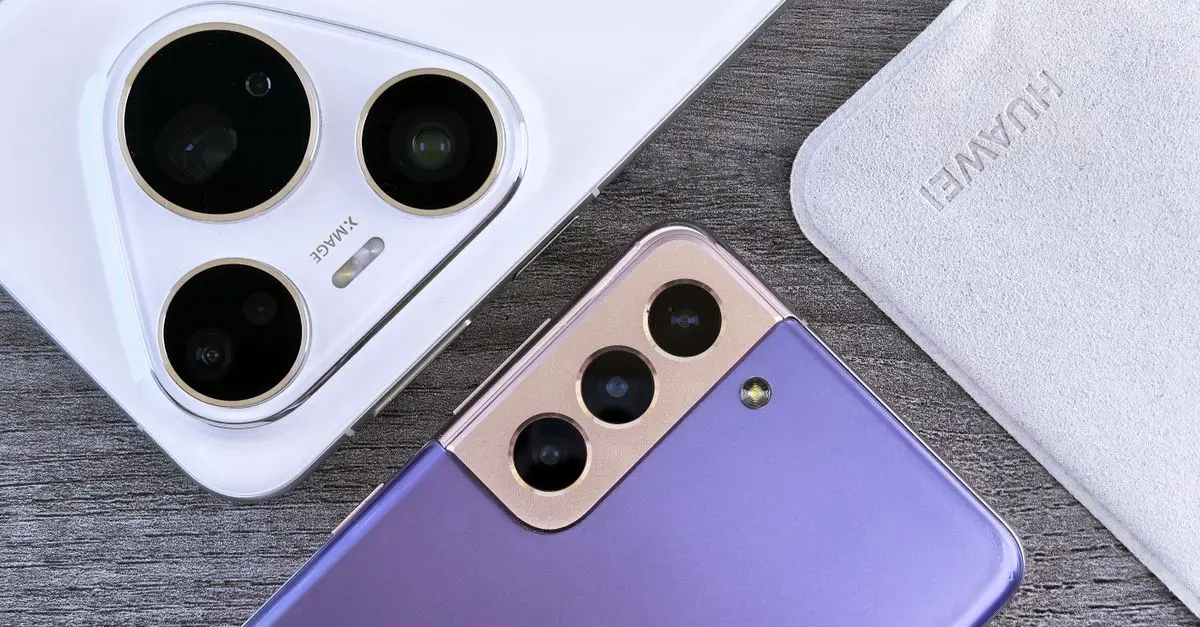
Camera technology in smartphones has seen exponential growth, focusing on user demands for superior photographic capabilities. Multilens setups, capable of zoom and wide-angle photography, are now the norm rather than the exception. The introduction of high-quality sensors—some exceeding 108 megapixels—has allowed consumers to capture professional-grade images.
According to Gartner, 65% of smartphone users prioritize camera quality over other features. This trend signifies a shift towards mobile photography that has led to the popularity of vlogging and social media content creation, showing no signs of slowing down.
Analysis
As smartphone cameras evolve, we can anticipate features like augmented reality filters and more sophisticated AI enhancements that improve image quality. This trend not only affects social networking but also gives rise to a new wave of amateur photographers and content creators.
4. Sustainable Technology
Sustainability is becoming a critical focus in smartphone technology innovations. Manufacturers are increasingly adopting eco-friendly materials and production techniques. In 2026, several leading companies have committed to using recycled materials in their devices, aiming to reduce electronic waste significantly. Apple, for instance, has targeted to reach carbon neutrality for its products by 2030, showcasing its leadership in sustainable practices.
Consumer demand for sustainable products is on the rise, with 67% of users reportedly concerned about the environmental impact of their devices, according to a recent report by The World Economic Forum.
Analysis
Sustainable technology not only resonates with environmentally conscious consumers but also represents a competitive advantage for brands. As public awareness of environmental issues increases, manufacturers that prioritize sustainability are likely to gain loyal customers and market share.
5. 5G Connectivity and Beyond
5G technology continues to revolutionize smartphone connectivity as users demand faster and more reliable internet access. By 2026, 5G networks have become mainstream, enabling enhanced data transmission speeds and improved connection stability. This development empowers users to stream high-definition content, download files instantaneously, and leverage cloud gaming services.
According to a study by Ericsson, 90% of smartphone users reported an improvement in their online experiences with the introduction of 5G capabilities, creating an expectation for seamless connectivity.
Analysis
The rapid expansion of 5G is a jumping-off point for future innovations, such as augmented reality applications and smart city integrations. As the technology matures, users can expect an even more interconnected experience that permeates various aspects of their lives.
📺 Resource Video
> 📺 For more insights: [Exploring the Future of Smartphone Technology], an in-depth analysis of upcoming innovations. Search on YouTube: smartphone technology innovations 2026.
Checklist before Purchase
- [ ] Research the latest AI features available.
- [ ] Compare camera specifications and offerings.
- [ ] Evaluate sustainability claims of manufacturers.
- [ ] Investigate 5G coverage in your area.
- [ ] Review the durability and flexibility of display technologies.
Glossary
| Term | Definition |
|---|---|
| AI | Artificial Intelligence; technology that simulates human intelligence. |
| 5G | The fifth generation of mobile network technology, providing higher speeds and connectivity. |
| Sustainability | Practices that meet current needs without compromising future generations' ability to meet theirs. |
{
}
Conclusion
The future of smartphone technology innovations is not just about new gadgets, but about enhancing user experiences in meaningful ways. As we navigate through these advancements, staying informed empowers consumers to make better decisions regarding technology. Explore these innovations as they develop and consider how they fit into your lifestyle.
Call to Action
For further insights on smartphone technology and trends, stay connected with our blog and subscribe for updates!
📺 Pour aller plus loin : Coolest New Technologies of 2026 sur YouTube