Table of Contents (10 sections)
As we navigate through 2026, smartphone technology continues to evolve at an unprecedented pace. The excitement surrounding new innovations and advancements is palpable, and understanding these trends is key to recognizing their impact on our daily lives. Smartphones have transcended their original purpose, becoming integral to our communication, entertainment, and productivity. Below, we dive into several pivotal trends that are shaping the future of smartphone technology.
1. Artificial Intelligence and Machine Learning Enhancements
Artificial intelligence (AI) and machine learning are at the forefront of the future smartphone technology landscape. In 2026, AI integration is not just an added feature; it's becoming a fundamental aspect of how smartphones operate. Devices are now equipped with advanced algorithms capable of understanding user behavior, optimizing battery life, and enhancing security measures through biometric recognition.
For example, smartphones can now learn your daily routines and make suggestions to optimize app usage or reduce screen time, thus promoting healthier habits. According to a survey by Gartner, 80% of smartphone users express their desire for AI features that improve daily usability, signifying a strong market demand.
💡 Expert Opinion: One industry expert notes,
> “As AI becomes more ubiquitous in smartphones, it’s crucial for manufacturers to harness this technology not just for convenience, but to enrich user experiences. The next generation of smartphone assistants will learn to communicate more naturally.”
This trend suggests not only a future filled with smarter apps and interactions but also a shift in how we perceive and trust technology in our personal lives.
2. Augmented Reality (AR) and Virtual Reality (VR) Integration
Augmented reality (AR) and virtual reality (VR) are expected to redefine how users interact with their smartphones. By 2026, AR will move beyond gaming and novelty apps, penetrating commerce, education, and social settings.
For instance, users will be able to visualize furniture in their homes before purchase through AR applications, a trend already gaining traction. A report from Statista indicates that the AR market is projected to be worth over $200 billion by 2026.
This capability will not only enhance shopping experiences but will also facilitate remote learning and collaboration, making education more interactive and engaging.
Analyzing Demand: As consumers become increasingly tech-savvy, businesses will adjust to meet these expectations, integrating AR into their marketing strategies to attract customers and enhance engagement. With the potential of enhancing the way we perceive and interact with the world, AR is clearly a game-changer in the upcoming years.
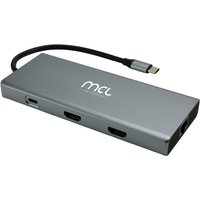
MCL 10-PORT DOCKING STATION HDMI station d'accueil Tablette/Smartphone/ordinateur portable Noir, Gris
Topbiz FR
Sponsored by Guide du shopping

3. Foldable and Flexible Displays
The physical design of smartphones is also evolving. Foldable and flexible displays are no longer a novelty but rather a pathway for multifunctional devices. As manufacturers enhance the durability and quality of foldable screens, user adoption rates are expected to skyrocket. According to recent data from Counterpoint Research, shipments of foldable smartphones are projected to increase by over 50% in 2026.
These devices offer users significantly more screen real estate without increasing the device's overall footprint. Imagine a compact phone that unfolds into a tablet for an enhanced viewing experience—this is not only practical but also aligns with the increasing preference for productivity on-the-go.
However, these innovations raise questions about durability and user experience. Continuous enhancements in materials science and engineering are crucial to ensure these devices withstand daily wear and tear while retaining their flexibility.
4. 5G Technology and Beyond
The rollout of 5G has marked a significant leap forward in smartphone capabilities. With drastically improved speed and connectivity, which is expected to be 100 times faster than 4G, 5G technology enables seamless streaming, improved gaming experiences, and enhanced IoT device connectivity.
As more regions adopt 5G infrastructure, the market will see an influx of smartphones that capitalize on these capabilities. Estimates from McKinsey show that by 2026, over 60% of the global population will have access to 5G, resulting in heightened demand for devices that can utilize this technology effectively.
5G also paves the way for innovative applications in telemedicine, smart city infrastructures, and enhanced augmented reality experiences. As we embrace this new connectivity standard, the implications for both consumers and businesses are boundless, propelling the smartphone into new realms of functionality and accessibility.
5. Enhanced Security Measures
As cyber threats continue to evolve, the future of smartphone technology includes an emphasis on security. By 2026, users can expect enhanced features like biometric authentication, including face recognition and fingerprint sensors, that are not only more secure but also more user-friendly.
Surveys indicate that 79% of consumers are concerned about data privacy, which amplifies the necessity for robust security features. As smartphone manufacturers innovate with hardware and software solutions to address these fears, we may see a rise in end-to-end encryption and privacy measures that safeguard user data.
Data-Driven Insights: A fascinating trend to note is the emergence of decentralized apps (dApps), which run on blockchain technology, aimed at protecting user data and enhancing trustworthiness. These advancements could lead to a significant shift in how people view digital security, aligning technology with growing privacy concerns.
📺 Resource Video
> 📺 For deeper insights: See our video titled “Exploring the Future of Smartphone Technology” that provides a comprehensive look into upcoming trends and features in smartphone devices. Search on YouTube:
> future smartphone technology innovations 2026.
🌐 Conclusion
In conclusion, the future smartphone technology landscape in 2026 promises exciting advancements and innovations that are set to transform everyday experiences. From AI and AR to enhanced connectivity and security, these trends will redefine how users interact with their devices and the world around them. As consumers, staying informed and adaptive will enable us to fully embrace these changes and enhance our daily lives.
Checklist before Purchase
- [ ] Investigate AI features of smartphones.
- [ ] Check for AR applications in prospective devices.
- [ ] Compare foldable smartphone options for durability.
- [ ] Assess 5G capability and coverage in your area.
- [ ] Review security features and data privacy options.
Glossary
| Term | Definition |
|---|---|
| Augmented Reality | A technology that superimposes computer-generated images on a user's view of the real world. |
| 5G Technology | The fifth generation of mobile network technology, providing ultra-fast data speeds and connectivity. |
| Foldable Display | A type of screen that can flex or fold, allowing for compact designs without sacrificing screen size. |
---
📺 Pour aller plus loin : Coolest New Technologies of 2026 sur YouTube
Recommended products
Selected by our experts
MCL 10-PORT DOCKING STATION HDMI station d'accueil Tablette/Smartphone/ordinateur portable Noir, Gris
Topbiz FR
This docking station is a great accessory for professionals who need to connect their smartphones to multiple devices seamlessly.
Sponsored by Guide du shopping
Etui Smartphone KITRIE Marron en cuir
3 Suisses FR
The smartphone pouch is perfect for protecting your device while you take advantage of the latest features.
Sponsored by Guide du shopping