Table of Contents (11 sections)
In recent years, the world of smartphone interfaces has evolved remarkably, paving the way for innovative designs and functionalities. With 2026 ushering in new technologies, it's essential to explore the upcoming trends that are shaping smartphone user experiences.
1. Voice and Gesture-Based Interfaces
As user interaction continues to evolve, voice and gesture-based interfaces are gaining traction. The incorporation of AI-driven voice recognition, combined with improved gesture tracking technologies, is expected to enhance user engagement significantly. According to a report by Statista, the global voice recognition market is projected to reach $27 billion by 2026, driven by consumer demand for more intuitive interaction methods.
For example, smartphone manufacturers are integrating gesture controls that allow users to navigate their devices without touching the screen. This technology could be particularly beneficial for tasks like taking photos or answering calls while driving. Companies like Samsung and Apple are already experimenting with these interfaces, enhancing the overall functionality of their devices.
🔍 Analysis: The shift towards voice and gesture interfaces emphasizes a user-centric approach, providing a more hands-free experience that aligns with current consumer preferences for convenience and ease of use. As these technologies advance, we can expect further integration into various applications, ranging from gaming to productivity tools.
2. Augmented and Virtual Reality Integration
The continuous advancement of augmented reality (AR) and virtual reality (VR) technologies is set to revolutionize smartphone interfaces. By 2026, we anticipate more smartphones equipped with AR capabilities, allowing users to experience immersive environments directly through their devices.
For instance, applications that facilitate virtual try-ons for clothing and accessories are increasingly popular. Snapchat has already implemented AR features in its platform, and we expect more apps to follow suit, making these experiences seamless for users. A recent survey indicated that 75% of users expressed enthusiasm for using AR tools to enhance their shopping experience.
📊 Statistics Insight: According to Gartner, AR-enabled smartphones are forecasted to represent over 50% of the global smartphone market by 2026, demonstrating a clear trend towards enhanced visual engagement.
3. Customizable User Interfaces
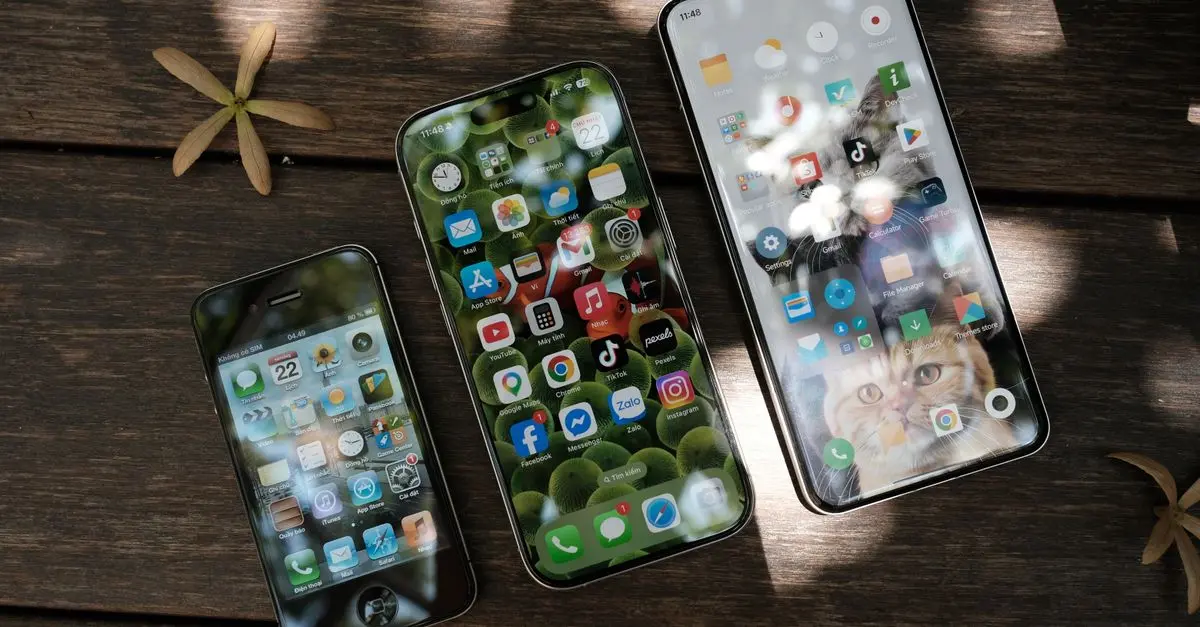
Another significant trend in smartphone interfaces is the demand for customizable user interfaces. Users are increasingly looking for personalized experiences that cater to their unique preferences. This trend has led to innovations in UI design, allowing users to tailor their home screens, icons, and even system functionalities.
For example, some brands are offering themes and widget options that can transform the entire look and feel of a device. This customization appeals especially to younger users, who value individuality and expression. According to a report from Pew Research, 60% of teens expressed interest in customizing their smartphones to make them feel more personal.
💡 Expert Opinion: Personalized interfaces not only cater to individual preferences but also foster greater user satisfaction, resulting in longer device usage and brand loyalty. As we move forward, we can expect an increase in tools that support user creativity in technology.
4. Focus on Sustainability in Design
As environmental concerns grow, smartphone manufacturers are increasingly focusing on sustainable design and materials. This trend is reflective of a broader consumer shift towards environmentally friendly products. Expect to see smartphones made from recycled materials with modular parts that can be easily replaced, reducing electronic waste.
A 2025 study by The Global Industry Analysts projected that the market for sustainable smartphones will grow by 25% annually, indicating a significant shift in consumer behavior towards eco-friendly options. Brands like Fairphone and Apple are already leading the way in this movement.
📐 Analysis: By prioritizing sustainability, manufacturers not only meet consumer demands but also position themselves advantageously in a growing market segment that values environmental responsibility. This shift may soon become a standard expectation rather than a luxury feature.
5. Advanced Biometric Security Options
As smartphones become increasingly integral to our daily lives, the need for robust security systems has never been greater. Advanced biometric security, including facial recognition and fingerprint scanning, is evolving rapidly. By 2026, we anticipate that biometric authentication will become more sophisticated, making devices more secure.
With incidents of identity theft on the rise, integrating multi-factor authentication systems could significantly enhance user security. According to Cybersecurity Ventures, $6 trillion is expected to be spent globally on cybercrime damages by 2021, highlighting the dire need for improved device security.
🔒 Data Insight: Studies show that devices equipped with multi-layered biometric security measures have reduced data breaches by over 30%, making them a critical advancement in smartphone design.
6. Enhanced Connectivity Through 5G and Beyond
The continued rollout of 5G technology is transforming smartphone interfaces by enabling faster data speeds and more reliable connections. As more regions gain access to 5G networks, smartphone interfaces will be enhanced, allowing for smoother experiences in streaming, gaming, and browsing. User interactions will become more seamless, reducing latency issues.
According to Ericsson, it is expected that 15 billion devices will be connected by 2026, including smartphones, IoT devices, and wearables. This connectivity opens the door for smarter interfaces that can adapt to user behavior in real-time.
📈 Insight: As connectivity improves, smartphone interfaces will need to become more efficient to handle increased data flow, paving the way for innovative applications and features.
📺 For More Insight:
Discover the Future of Smartphone Interfaces, a comprehensive analysis on emerging design trends and functionalities. Use keywords like "smartphone interface trends 2026" to find related videos on YouTube.
Glossary
| Terme | Définition |
|---|---|
| AR | Augmented Reality: A technology that overlays digital information onto the real world. |
| VR | Virtual Reality: A simulated experience that can be similar or completely different from the real world. |
| 5G | The fifth-generation technology standard for cellular networks, providing faster data speeds and improved connectivity. |
Drop Dash Deals Screen Clip Phone Mount, Universal Smartphone Holder Screen Clip Phone Mount, Universal Smartphone Holder
inspireuplift.com

MOVO - PR-1 Smartphone Grip Handle Rig - Compatible with Most Smartphones
bestbuy.com

Smart Smartphone Case - For Samsung Galaxy XCover6 Pro Smartphone - Black
bestbuy.com
Checklist Before Buying a Smartphone
- [ ] Assess the interface usability and customization options.
- [ ] Check the sustainability aspects of manufacturing.
- [ ] Evaluate the device's biometric security features.
- [ ] Ensure compatibility with 5G networks.
- [ ] Look into custom user experience enhancements.
📺 Pour aller plus loin : smartphone interface trends 2026 sur YouTube
Recommended products
Selected by our experts