Table of Contents (18 sections)
- What Are Smartphone Interfaces?
- Emerging Trends in Smartphone Interfaces
- Voice Control Revolution
- Foldable and Flexible Displays
- Neural Interfaces
- Augmented Reality Integration
- Gesture Control Technology
- AI-Powered User Experience
- Comparison of Smartphone Interface Technologies
- Statistics and Trends
- Frequently Asked Questions (FAQ)
- Checklist Before Upgrading Your Smartphone
- Glossary of Terms
What Are Smartphone Interfaces?
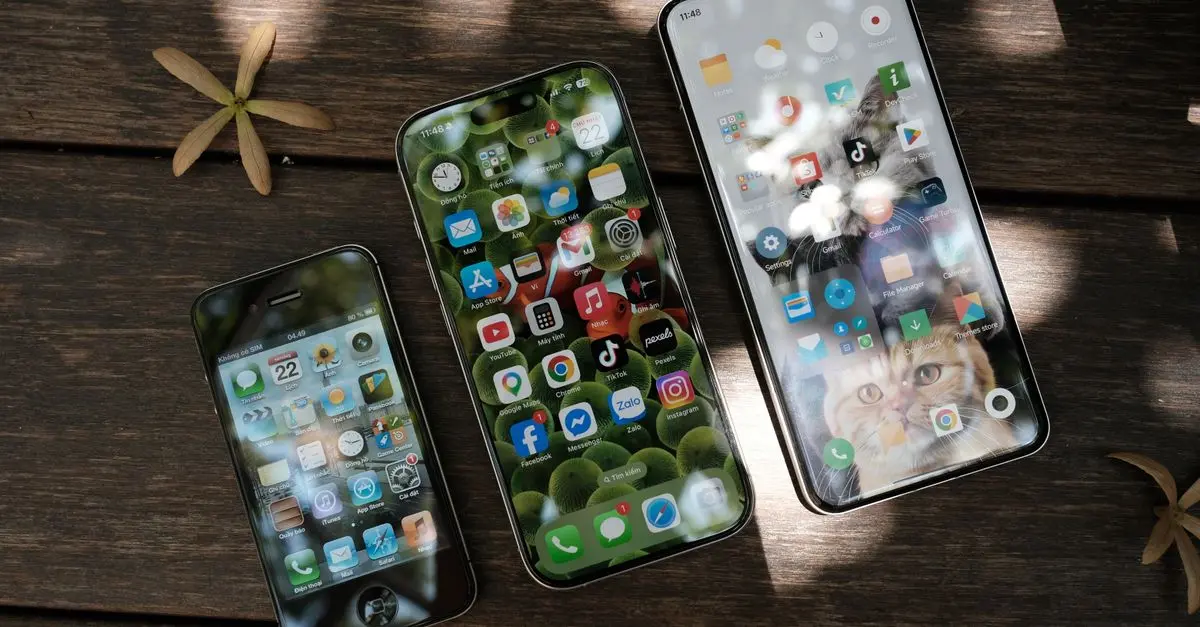
Smartphone interfaces refer to the technologies and designs that allow users to interact with their devices. From touchscreens to voice commands, how we connect with our smartphones significantly affects our user experience. In 2026, the landscape is evolving rapidly as innovative technologies emerge, making devices more intuitive, responsive, and personalized. As smartphones continue to integrate seamlessly into our daily lives, understanding the future of these interfaces becomes crucial for both consumers and developers alike.
Emerging Trends in Smartphone Interfaces
Voice Control Revolution
One of the most significant trends reshaping smartphone interfaces is the rise of voice control technology. As natural language processing (NLP) continues to improve, users are increasingly favoring voice commands over traditional touch inputs. By 2026, it's projected that over 50% of smartphone users will regularly use voice-activated assistants for various tasks, from sending messages to controlling smart home devices. The convenience and speed of voice commands provide a hands-free alternative, making technology more accessible for people of all ages and abilities. In addition, companies like Google and Amazon are investing heavily in refining their voice AI, which enhances function and context awareness.
Foldable and Flexible Displays
Foldable smartphones are no longer a novelty but rather a standard feature in many high-end devices. Flexible displays allow manufacturers to create screens that can be bent or folded, providing larger surface areas and innovative form factors that adapt to user needs. This year, we expect to see a significant increase in consumer adoption of foldable phones, with a market growth forecast of 40% according to Statista. This technology offers users a dual-screen experience without compromising portability, enabling multitasking and immersive media consumption in ways previously unimaginable.
Neural Interfaces
Neural interface technology, while still in its infancy, holds immense potential for revolutionizing smartphone interaction. By 2026, advancements in brain-computer interfaces (BCIs) may allow users to control their devices through thoughts alone. Although this technology raises ethical and security concerns, it's essential for accessibility and can reshape communication for individuals with disabilities. Companies like Neuralink are pioneering research in this field, which could eventually lead to a new era of smartphone interaction that bypasses physical interfaces altogether.
Augmented Reality Integration
Augmented reality (AR) continues to gain traction as a transformative interface in smartphones. With functions such as immersive gaming, virtual try-ons for shopping, and enhanced navigation, AR allows users to experience information superimposed on the real world. By 2026, it's expected that AR will become standard in many applications, with the potential to increase user engagement significantly. According to Gartner, the AR market will see a compound annual growth rate (CAGR) of 43% through 2026. Future smartphones will likely integrate more AR features natively, dictating how we interact with both our devices and the world around us.
Gesture Control Technology
Gesture control technology is emerging as a natural way for users to interact with their smartphones without physical contact. Utilizing cameras and sensors, smartphones can recognize hand movements to perform functions such as scrolling or selecting apps. This technology promises a more seamless experience, especially in situations where touch inputs are impractical. Predictive models suggest the gesture technology market will grow by 30% by 2026 as consumers embrace this hands-free interactive approach.
AI-Powered User Experience
Artificial intelligence is progressively shaping smartphone interfaces by personalizing the user experience. Through learning algorithms and user behavior analytics, AI can anticipate needs, optimize device settings, and streamline tasks. By 2026, it's expected that virtually all smartphones will have advanced AI capabilities, enhancing usability and efficiency. This enables tailored recommendations, improved battery management, and optimized performance, ensuring users enjoy a device that adapts to their life.
Drop Dash Deals Screen Clip Phone Mount, Universal Smartphone Holder Screen Clip Phone Mount, Universal Smartphone Holder
inspireuplift.com


Smart Smartphone Case - For Samsung Galaxy XCover6 Pro Smartphone - Black
bestbuy.com
Comparison of Smartphone Interface Technologies
| Feature | Voice Control | Foldable Displays | Neural Interfaces | Augmented Reality | Gesture Control |
|---|---|---|---|---|---|
| User Accessibility | High | Moderate | High | Moderate | High |
| Multitasking Capability | Moderate | High | Low | High | Moderate |
| Market Adoption Rate (2026) | 50% | 40% | Emerging | 43% | 30% |
| User Engagement | High | Very High | Moderate | High | High |
Statistics and Trends
As smartphone technology rapidly advances, various statistics reflect the significant trends shaping consumer behavior and preferences. According to a report by UFC-Que Choisir, 68% of users believe augmented reality features enhance their smartphone interaction. Furthermore, Gartner reports that AI-driven features can improve device adoption rates by 20%. This indicates that as technology evolves, user expectations will continue to drive demand for more innovative interfaces.
Frequently Asked Questions (FAQ)
What are smartphone interfaces?
Smartphone interfaces are the methods and technologies used to interact with smartphones, including touchscreens, voice commands, and sensors.
How will voice control change smartphone use?
Voice control offers hands-free interaction, increasing usability, particularly for multitasking and accessibility for users with disabilities.
What impact will augmented reality have on user experience?
Augmented reality can enhance user interactions through immersive experiences, providing layers of information and interactive features within everyday tasks.
Are neural interfaces safe for consumers?
Neural interfaces are emerging technologies that promise significant benefits; however, ethical and security concerns remain a priority for regulation and development.
Checklist Before Upgrading Your Smartphone
- [ ] Research interface options before committing to a new device.
- [ ] Consider the importance of voice control for your daily tasks.
- [ ] Look for models with AR capabilities that suit your needs.
- [ ] Evaluate the durability of foldable screens if choosing one.
- [ ] Ensure the device incorporates user-friendly AI features.

MOVO - PR-1 Smartphone Grip Handle Rig - Compatible with Most Smartphones
bestbuy.com

Movo PR-1 Smartphone Grip Handle Rig - Compatible with Most Smartphones black
shop.simon.com

Glossary of Terms
| Term | Definition |
|---|---|
| Augmented Reality (AR) | A technology that overlays digital information onto the real world through smartphones or goggles. |
| Neural Interface | A direct communication pathway between an implanted or external device and the brain. |
| Voice Control | A system that allows users to operate devices and apps via verbal commands. |
---
📺 Pour aller plus loin : smartphone interfaces trends 2026 sur YouTube
Recommended products
Selected by our experts