Table of Contents (12 sections)
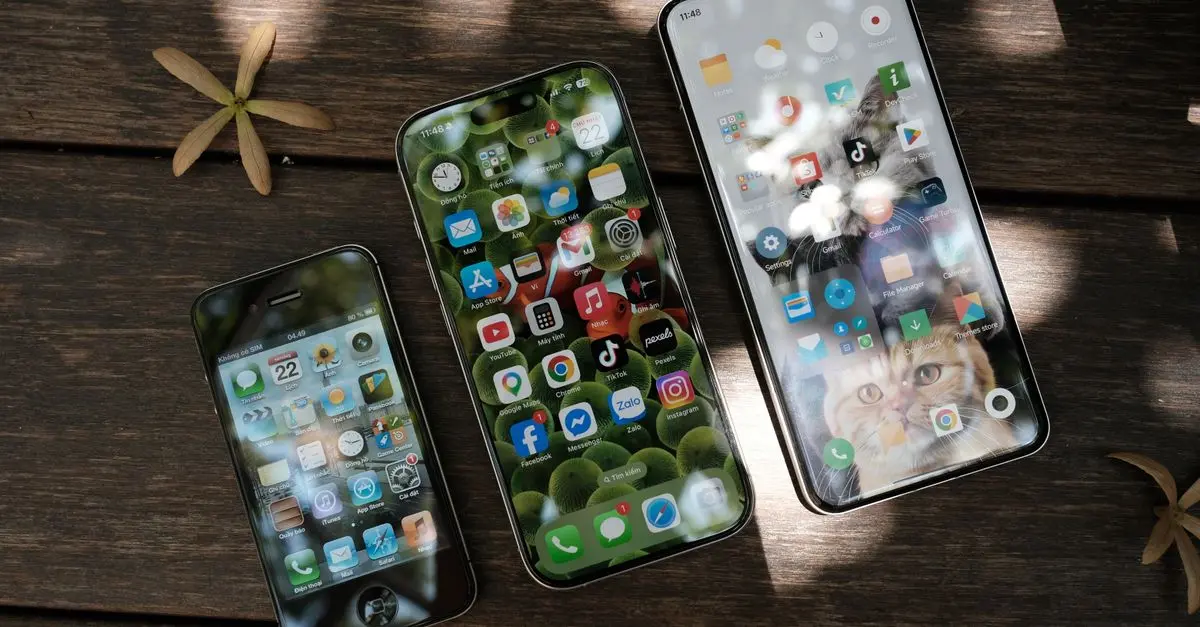
The journey of smartphone features evolution is akin to a fascinating narrative that highlights innovation, consumer demands, and technological advancements. Over the years, smartphones have transformed from simple communication devices into powerful handheld computers, integrated with features that enhance daily life, facilitate work, and entertain. This article takes you through the most significant transformations in smartphone features, shedding light on what has shaped today's devices.
What Are Smartphone Features?
Smartphone features refer to the capabilities and functionalities that smartphones offer to users. These include hardware specifications, software applications, connectivity options, and user interfaces that collectively enhance the user experience. The evolution of these features often reflects broader technological advancements as well as changing consumer preferences.
For instance, the transition from basic functionality—such as calls and texts—to the integration of high-resolution cameras, GPS navigation, and application ecosystems signifies a giant leap in what users can expect. According to an industry report by Gartner, smartphone sales exceeded 1.5 billion units in 2022, underscoring the growing reliance on these devices in both personal and professional settings.
Understanding smartphone features helps users make informed decisions when purchasing devices that suit their needs, whether for photography, social media, gaming, or productivity.
The Rise of Smart Cameras and Photography Enhancements
With the advent of social media platforms and content sharing, the demand for high-quality smartphone cameras has soared. Early smartphones featured basic cameras with minimal resolution, typically under 5 megapixels. However, as user demand for better photography grew, manufacturers like Apple and Samsung began equipping their devices with sophisticated camera systems.
By 2026, many smartphones boasted multiple lenses, AI-driven photography enhancements, and features such as Night Mode and Portrait Mode. The Google Pixel series, for instance, is renowned for its computational photography capabilities, enabling users to capture stunning images in varying lighting conditions. According to a Statista report, 85% of consumers declared that camera quality is a critical factor when choosing a smartphone.
Moreover, the integration of video recording features, including stabilization and high-resolution filming, has transformed smartphones into portable filmmaking tools. This evolution not only empowers casual users but also amateur creators to produce professional-quality content.
Usability and User Interface Improvements
The evolution of usability and interfaces constitutes another pivotal point in smartphone features evolution. The initial smartphones relied heavily on physical buttons and basic touchscreen technology. However, the introduction of capacitive touchscreens paved the way for intuitive navigation.
In recent years, the rise of gesture-based navigation and customizable interfaces has further enhanced user engagement and satisfaction. Software updates from major players like Apple and Google have brought continual improvements, introducing features like dark mode, widget customization, and improved accessibility options.
Studies indicate that user experience plays a significant role in smartphone adoption, with 78% of users stating they remain loyal to brands due to a seamless operating experience. The focus on software updates that enhance user interaction has placed strong competitive pressure on manufacturers to remain innovative.
Connectivity Advances: From 4G to 5G and Beyond
Connectivity has seen transformative advancements with each generation of smartphones. The leap from 3G to 4G LTE introduced substantially faster internet speeds, enabling activities like streaming and video calls to flourish. In 2026, we are witnessing the rollout of 5G technology, which promises unparalleled data transfer rates and low latency.
With 5G, smartphones can support more complex applications such as augmented reality (AR) and enhanced gaming experiences, allowing users to enjoy synchronous gameplay and streaming without interruptions. According to a report from Nokia, 5G is expected to cover 65% of the global population by the end of this decade, revolutionizing how users interact with their devices and the world around them.
Comparing Key Smartphone Features Over the Years
| Feature | 2012 | 2016 | 2020 | 2026 |
|---|---|---|---|---|
| Camera Quality | 8 MP | 16 MP | 48 MP | 108 MP+ |
| Connectivity | 3G | 4G LTE | 4G LTE/5G | 5G |
| Processing Power | Dual-core | Quad-core | Octa-core | Multi-core |
| Battery Life | 2000 mAh | 3000 mAh | 4000 mAh | 5000 mAh+ |
Expert Insights on Smartphone Trends
💡 Expert Opinion: The smartphone market is not just a battlefield for innovative technology but also for addressing consumer needs. As technology evolves, so will the complexity and variety of smartphone features, pushing manufacturers to remain agile and responsive. The future lies in incorporating AI advancements to enhance user experience further, making smartphones smarter and more personalized.
Frequently Asked Questions (FAQs)
Q1: What is the most crucial feature to consider in a smartphone?
A1: While it varies per user, many find camera quality, processing speed, and battery life to be the top considerations.
Q2: How often should I upgrade my smartphone?
A2: Typically, every 2 to 3 years is advisable to keep up with the latest technology advancements and maintain software compatibility.
Q3: Are 5G smartphones worth the investment?
A3: Yes, especially if you leverage data-intensive applications, 5G offers enhanced speed and connectivity for a superior user experience.
Q4: What are some emerging features expected in smartphones?
A4: Future features may include advanced AI integration, better battery technology, and even foldable or flexible displays.
Glossary
| Term | Definition |
|---|---|
| Smartphone Camera | A camera integrated within a smartphone, critical for photography needs. |
| 5G Technology | The fifth generation of wireless technology, improving internet speeds. |
| User Interface (UI) | The means by which a user interacts with a device, including software design. |
Checklist Before Purchase
- [ ] Assess your primary smartphone usage (calling, photography, gaming).
- [ ] Research camera specifications and quality.
- [ ] Consider battery life and charging options.
- [ ] Check the processing power and RAM availability.
- [ ] Evaluate connectivity options (4G vs. 5G).
Drop Dash Deals Screen Clip Phone Mount, Universal Smartphone Holder Screen Clip Phone Mount, Universal Smartphone Holder
inspireuplift.com


Smart Smartphone Case - For Samsung Galaxy XCover6 Pro Smartphone - Black
bestbuy.com
📺 For Further Insight:
Explore our recommended products that can complement your smartphone experience. Discover our selections below to enhance your mobile usability.
🧠 Quick Quiz: Which smartphone feature is most essential for you?
- A) Camera Quality
- B) Battery Life
- C) Connectivity Options
Answer: A — A good camera is crucial for capturing memories effectively.
Recommended Products
[{
Recommended products
Selected by our experts