Table of Contents (14 sections)
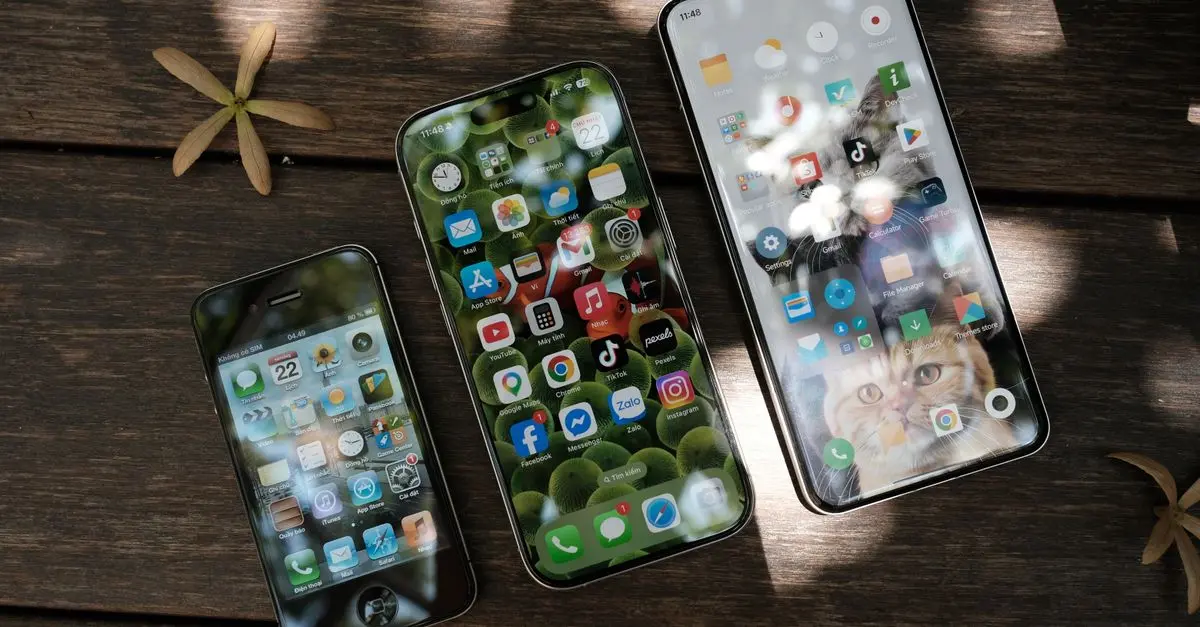
Smartphones have become an integral part of our daily lives, transforming the way we communicate, work, and entertain ourselves. The smartphone evolution has been remarkable, especially over the last two decades. In this article, we will delve into the significant advancements in smartphone technology, the impact on society, and what the future could hold for this ubiquitous device.
The Birth of Smartphones
The origins of smartphones date back to the early 1990s with the launch of devices like the IBM Simon. Although rudimentary by today’s standards, this device laid the groundwork for future innovations by combining a mobile phone with PDA features. It featured a touchscreen and could send emails and faxes, which was groundbreaking at that time. Fast forward to the launch of the Apple iPhone in 2007, which redefined what a smartphone could be. The seamless integration of a user-friendly interface and a multitude of apps quickly captured the market's attention, making smartphones a must-have item.
Key Advancements in Smartphone Technology
Hardware Improvements
Over the years, smartphone hardware has seen dramatic changes.
- Processors: The shift from single-core processors to high-performance multi-core processors has significantly increased computing power. For instance, the first iPhone had a 412 MHz processor, whereas current models boast processors exceeding 3 GHz.
- Cameras: The evolution of smartphone cameras has been equally impressive. Early smartphones featured basic cameras with 1-2 megapixels, whereas today’s smartphones often boast multiple lenses with capabilities like 108 MP and advanced computational photography. For example, Samsung's Galaxy S21 features a triple-lens system that offers various shooting modes, including ultra-wide and macro.
Display Technologies
Screen technology has also advanced significantly, shifting from LCDs to OLED and AMOLED displays, which offer better colors, contrast ratios, and energy efficiency. Moreover, the introduction of 120 Hz refresh rates has made the user experience smoother, enhancing gaming and scrolling. Brands like OnePlus and Apple have embraced these technologies to create visually stunning displays that captivate users.
The Shift to 5G and Beyond
With the rollout of 5G technology, smartphones have rapidly transformed into devices capable of achieving unparalleled speeds and connectivity. 5G networks promise to significantly reduce latency, enabling real-time applications like augmented and virtual reality. According to a report by Gartner, 5G technology adoption is expected to reach 1.1 billion users globally by 2026. This increase hinges on the ability of smartphones to leverage these fast networks for more seamless experiences.
User-Centric Features and AI Integration
Innovations in artificial intelligence (AI) have integrated deeply into smartphone functionalities. From facial recognition for secure unlocking to personal assistants like Siri and Google Assistant, AI enhances user experience by providing a more tailored approach. For example, the AI features in the latest Google Pixel smartphones improve camera capabilities through machine learning algorithms, automatically optimizing shots based on lighting conditions and subjects.
Comparisons of Smartphone Generations
To illustrate the rapid advancements in smartphone technology, here’s a comparative overview of key features from different generations:
| Feature | 2007 iPhone | 2016 iPhone 7 | 2021 iPhone 13 |
|---|---|---|---|
| Processor | 412 MHz | A10 Fusion | A15 Bionic |
| Camera | 2 MP | Dual 12 MP | Dual 12 MP |
| Display | 3.5-inch LCD | 4.7-inch Retina | 6.1-inch Super Retina XDR |
| Network | 2G | 4G LTE | 5G |
📺 Resources Video
> 📺 For further insights: Explore how smartphones have changed over time, a comprehensive review of smartphone evolution. Search on YouTube: smartphone evolution history 2026.
Future Trends in Smartphones
The future holds exciting potentials. Foldable smartphones like Samsung Galaxy Z Fold have begun to change the form factor of traditional phones, merging tablet functionalities with smartphone convenience. Consumers can expect to see more devices that adapt to their environments and usage patterns, thanks to advancements in machine learning and sensor technologies. By 2026, it's anticipated that mobile devices will further incorporate features like holographic displays and improved battery technologies that provide longer usage times without sacrificing functionality.
##
Glossary
| Term | Definition |
|---|---|
| Smartphone | A mobile phone that integrates advanced computing capabilities and internet connectivity. |
| AI (Artificial Intelligence) | The simulation of human intelligence in machines, enabling them to perform tasks that typically require human reasoning. |
| 5G | The fifth generation of mobile network technology, offering faster data transmission speeds and more reliable connections. |
Checklist Before Purchase
- [ ] Review camera specifications
- [ ] Check processor speed
- [ ] Compare display quality
- [ ] Assess battery life
- [ ] Confirm compatibility with 5G networks