Table of Contents (15 sections)
- What are Smartphone Innovations?
- The Role of Artificial Intelligence in Smartphones
- Innovations in Smartphone Camera Technology
- Foldable and Flexible Displays
- Sustainable Materials in Smartphone Production
- The Rise of 5G and Its Impact
- FAQs
What are Smartphone Innovations?
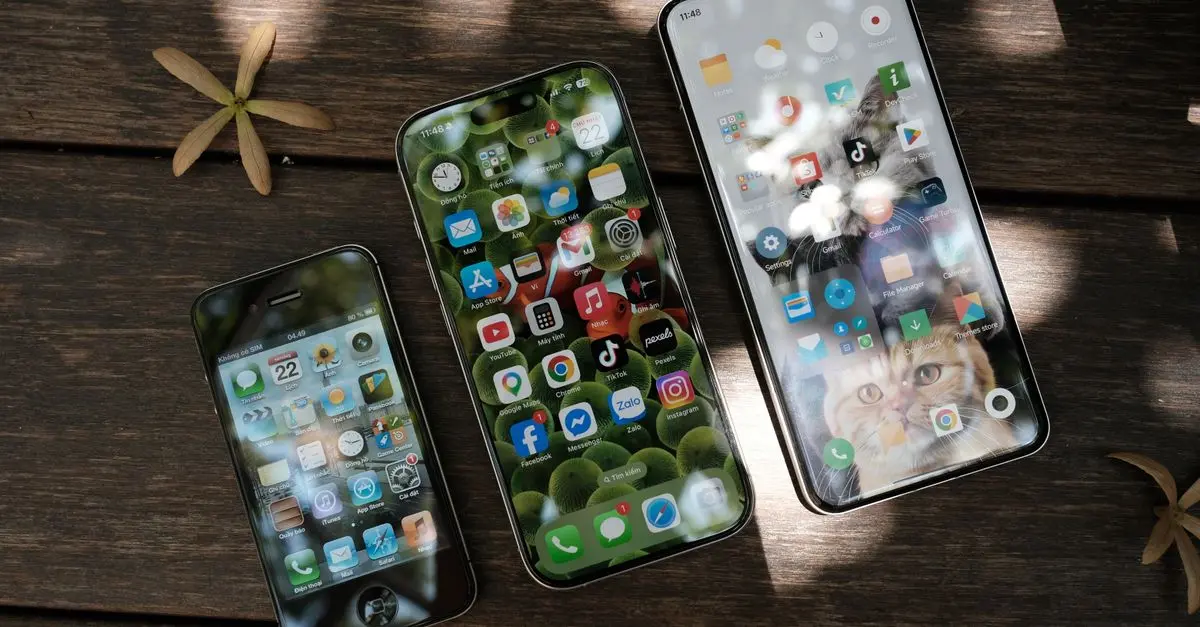
Smartphone innovations refer to the latest developments and technologies that enhance user experience, performance, and functionality in mobile devices. In a constantly evolving tech landscape, innovations such as artificial intelligence (AI), advanced camera systems, flexible displays, and 5G connectivity are transforming how we interact with our phones. These innovations play a critical role in defining the competitive edge of smartphone manufacturers, influencing consumer choices and setting trends for future mobile technology.
The importance of these innovations goes beyond aesthetics; they improve connectivity, efficiency, and security in everyday tasks. For instance, smartphones are increasingly equipped with AI for personalized user experiences, from photography to app performance. Moreover, with rapid advancements in telecommunications, features like 5G connectivity have revolutionized online interactions and mobile browsing speeds. Thus, understanding smartphone innovations is vital at this juncture as they directly impact both personal use and the broader tech ecosystem.
The Role of Artificial Intelligence in Smartphones
Artificial Intelligence is reshaping smartphone technology by personalizing user experiences and automating routine tasks. Modern smartphones leverage AI for various applications, including intelligent voice assistants, camera enhancements, and user preference predictions. For instance, AI algorithms are now capable of processing images in real-time, adjusting settings based on the environment, and even suggesting photo edits post-capture.
Statistically speaking, the AI smartphone market is expected to grow exponentially; according to a report by Statista, the global AI market in smartphones is poised to exceed $60 billion by 2028. This growth is driven by increased demand for smarter applications and improved hardware capabilities.
Beyond enhancements in photography, AI continuously analyzes user behaviors to optimize battery life and app usage, leading to a more efficient and tailored smartphone experience. This trend illustrates how integral AI has become in today’s mobile technology, driving not only performance improvements but also a stronger connection between users and their devices.
Drop Dash Deals Screen Clip Phone Mount, Universal Smartphone Holder Screen Clip Phone Mount, Universal Smartphone Holder
inspireuplift.com


Smart Smartphone Case - For Samsung Galaxy XCover6 Pro Smartphone - Black
bestbuy.com
Innovations in Smartphone Camera Technology
As phones have evolved, so too have their camera technologies. Recent advancements can transform smartphone cameras into professional photography tools. Features such as multi-lens setups, night mode, and zoom enhancements allow users to capture stunning images in varied lighting conditions. For instance, platforms like DxOMark have seen smartphone cameras rival traditional DSLRs in image quality.
By 2026, the market for smartphone cameras is expected to witness a 15% CAGR, indicating robust growth. This expansion is fueled by consumer demand for higher quality mobile photography and videography, driven by social media and content creation trends. Notably, innovative features such as computational photography, achieved through algorithms that enhance image quality, have set a new benchmark in mobile photography. As brands introduce 200MP sensors and advanced stabilization technologies, the capabilities of smartphone cameras are reaching new horizons.
Foldable and Flexible Displays
The introduction of foldable smartphones has marked a significant milestone in smartphone innovation. With this technology, phones can offer larger screens without compromising portability. Devices like the Samsung Galaxy Fold and Huawei Mate X are prime examples, providing users with expansive displays that seamlessly transition between a phone and a tablet experience.
Reports indicate that the global market for foldable smartphones is projected to reach $50 billion by 2026, as companies refine this technology to enhance durability and affordability. The flexible display technology employs advanced materials, including ultra-thin glass and OLED panels, ensuring quality without sacrificing usability. As this innovation matures, we can expect more manufacturers to enter the market, making foldable phones a standard rather than a niche product.
Sustainable Materials in Smartphone Production
As tech consumption becomes increasingly scrutinized for its environmental impact, smartphone manufacturers are making strides toward sustainability. Innovations in materials science have led to the development of biodegradable phone cases and recyclable components, reducing overall waste generated by electronic devices. Brands are integrating sustainable materials into their production processes, like the adoption of ocean plastic in phone casings or packaging made from recyclable materials.
A study by EcoWatch revealed that up to 60% of consumers are more likely to purchase from brands that prioritize sustainability. This shift creates a competitive advantage for companies engaging in eco-friendly practices. As more consumers demand transparency and responsibility from brands, innovations in sustainable materials not only contribute positively to the environment but can also enhance brand loyalty and marketability.
The Rise of 5G and Its Impact
5G technology represents a quantum leap in mobile connectivity, and its influence on the smartphone industry cannot be overstated. This next-generation network offers incredible speeds, low latency, and the capacity to connect multiple devices simultaneously. Consequently, smartphones equipped with 5G capabilities can provide enhanced experiences for streaming, gaming, and augmented/virtual reality applications.
According to an analysis by Gartner, by the end of 2026, it is projected that over 75% of smartphones will support 5G, highlighting the rapid adoption of this technology. With increased internet speed, consumers can enjoy more seamless interactions, from high-definition streaming to real-time communication in professional contexts, revolutionizing how smartphones are used in our daily lives.

MOVO - PR-1 Smartphone Grip Handle Rig - Compatible with Most Smartphones
bestbuy.com

Movo PR-1 Smartphone Grip Handle Rig - Compatible with Most Smartphones black
shop.simon.com

FAQs
1. What are the main innovations in smartphone technology in 2026?
The main innovations include AI integration, advanced camera systems, foldable displays, use of sustainable materials, and the adoption of 5G technology, all aimed at enhancing user experiences and performance.
2. How does artificial intelligence improve smartphones?
AI improves smartphones by personalizing user experiences, optimizing performance, enhancing camera capabilities, and automating routine tasks based on user behavior.
3. Are foldable smartphones worth the investment?
Foldable smartphones provide an innovative dual-use experience, often with larger displays, making them attractive to users who value multifunctionality. As technology improves, the investment is becoming more justified.
4. What impact does 5G have on smartphone communication?
5G significantly enhances smartphone communication by providing faster download and upload speeds, reducing latency, and allowing better connections for multiple devices, revolutionizing mobile interactions.
Glossary
| Term | Definition |
|---|---|
| Artificial Intelligence (AI) | A technology that enables machines to perform tasks that typically require human intelligence, such as recognizing speech or images. |
| Foldable Display | A screen technology that allows smartphones to be folded without damage to the display, enabling larger screen sizes in portable devices. |
| 5G Technology | The fifth generation of wireless technology that provides higher speeds, lower latency, and greater connectivity than previous generations. |
Checklist before purchase
- [ ] Research the latest smartphone camera features.
- [ ] Compare models with foldable displays.
- [ ] Ensure 5G compatibility for future-proofing.
- [ ] Consider brands that prioritize sustainability.
- [ ] Look for AI integration in user-friendly applications.
🧠 Quiz rapide : What innovation is most crucial for smartphone functionality in 2026?
- A) Foldable Displays
- B) 5G Technology
- C) AI Integration
Réponse : C — AI integration enhances functionality by automating processes and personalizing user experiences.
📺 For further exploration: The future of smartphone technology discusses emerging trends. Search on YouTube: smartphone technology innovations 2026.
📺 Pour aller plus loin : smartphone technology innovations 2026 sur YouTube
Recommended products
Selected by our experts