Table of Contents (10 sections)
The mobile operating systems evolution has transformed the way we interact with technology since its inception. Originally designed for basic functionalities, these systems have grown to encompass robust ecosystems that facilitate a myriad of applications, communication methods, and connectivity options. This article explores the journey of mobile operating systems, detailing their development from their early days to present innovations and looking into future trends.
What Are Mobile Operating Systems?
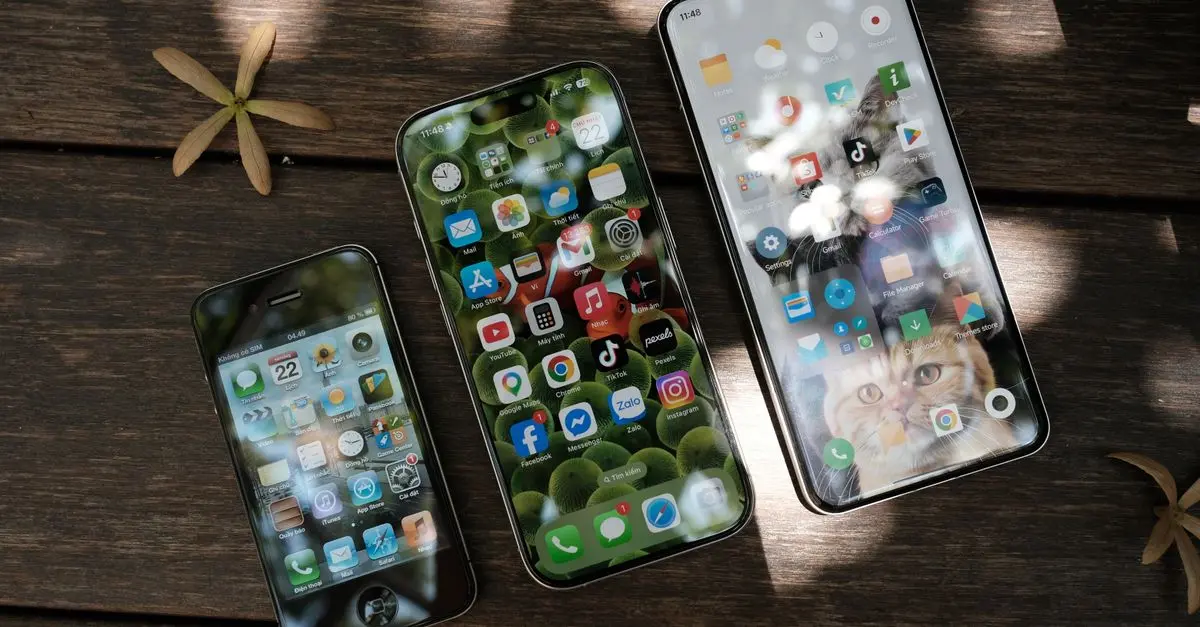
Mobile operating systems (OS) are software platforms that enable mobile devices to run applications and manage hardware resources. They provide the necessary environment for users to interact with their devices. The early days of mobile operating systems were characterized by proprietary systems, often tailored for specific devices. For example, Palm OS and Windows Mobile dominated the market in the early 2000s, providing basic functionalities like calling, messaging, and personal information management.
The emergence of smartphones in the late 2000s heralded a new era for mobile operating systems. With the launch of iOS by Apple in 2007 and Android by Google in 2008, the landscape changed dramatically. These systems introduced app stores, allowing developers to create a variety of applications that enhanced user experience and functionality.
Importance and Impact
The impact of mobile operating systems goes beyond just facilitating communication. Today, they influence how businesses operate, including e-commerce, remote work, and social interactions. For instance, Android currently holds over 70% of the global smartphone market share as of 2026, significantly shaping the mobile app ecosystem.
How Mobile Operating Systems Have Evolved Over Time
The evolution of mobile operating systems can be divided into several key phases:
- Early Development (1990s – early 2000s): Mobile OS like Symbian, Windows Mobile, and BlackBerry OS were primarily focused on communication tools and basic apps.
- The Smartphone Revolution (2007-2010): The introduction of iOS and Android changed everything, with UX-focused designs and app ecosystems at the forefront. Apple’s App Store launched in 2008, and Google Play followed closely, revolutionizing software distribution and user engagement.
- Diversification and Optimization (2011-2015): Manufacturers began customizing their versions of Android, leading to a variety of user experiences. Innovations in hardware necessitated OS improvements, focusing on multitasking, and enhanced security features.
- Artificial Intelligence and IoT Integration (2016-Present): Recent mobile operating systems have started to incorporate AI advancements, offering smarter personal assistants, enhanced battery management, and improved security protocols. These advancements have paved the way for a more connected environment, where mobile devices seamlessly integrate with smart home products and wearables.
Comparative Analysis of Leading Mobile Operating Systems
In the current market, iOS and Android dominate, but there are also niche systems such as HarmonyOS and KaiOS that cater to specific audiences. Below is a comparative table:
| Feature | iOS | Android | HarmonyOS | KaiOS |
|---|---|---|---|---|
| User Experience | Smooth, consistent | Highly customizable | Minimalist, efficiency-focused | Lightweight, basic functions |
| App Ecosystem | Highly curated | Open, diverse | Growing, focused on basics | Limited, feature phone apps |
| Security | Closed system, rigorous checks | Open-source flexibility | Proprietary security measures | Basic security features |
| Market Share | ~27% | ~70% | Small but expanding | Niche market in developed regions |
The global market for mobile operating systems continues to evolve rapidly. According to a report by Statista, in 2026, the number of smartphone users worldwide is expected to exceed 6.5 billion, with smartphones driving more than 50% of global web traffic. The trend towards 5G technology will further enhance the capabilities of mobile operating systems, enabling faster data downloads, smoother video streaming, and more immersive gaming experiences.
Future Projections
Experts predict that mobile operating systems will increasingly incorporate AI and machine learning features to enhance personalization and user experience. With advancements in augmented reality (AR) and virtual reality (VR), future operating systems may also focus on providing immersive experiences that blend the digital and physical worlds. The integration of these technologies will likely provide new avenues for app development and usage.
Expert Opinion
💡 Expert Insight: As the mobile operating system landscape continues to shift, developers must adapt their app designs to accommodate new functionalities and features. Embracing AI and AR will be essential to staying relevant in the evolving digital ecosystem — this is particularly true as users demand faster, more intuitive interactions with their devices.
- What is a mobile operating system?
A mobile operating system is software that manages the hardware and software resources of mobile devices, providing a platform for applications to run and for users to interact with their devices.
- How did mobile operating systems start?
They began with simple interfaces focused on phone functionalities, evolving into complex environments with comprehensive app ecosystems after the launch of smartphones.
- What are the main types of mobile operating systems?
The main types are iOS, Android, HarmonyOS, and KaiOS, each catering to different segments of the mobile market.
- What trends are shaping the future of mobile operating systems?
Key trends include increased integration of AI, AR, 5G connectivity, and personalization features that adapt to user behavior.
Checklist Before Choosing a Mobile Operating System
- [ ] Determine your usage needs (gaming, communication, productivity)
- [ ] Research app availability and ecosystem support
- [ ] Evaluate security features and updates
- [ ] Consider customization options available
- [ ] Check for compatibility with other devices you own
Glossary
| Term | Definition |
|---|---|
| Mobile Operating System | Software that manages mobile device hardware and software, allowing apps to run. |
| Ecosystem | A platform's surrounding environment consisting of apps, services, and devices that interact with it. |
| AI Integration | The incorporation of artificial intelligence technologies to enhance system functionality and user experience. |
📺 Resource Video
> 📺 For further exploration: Understanding Mobile Operating Systems, a complete overview of how mobile operating systems work. Search on YouTube:understanding mobile operating systems 2026.