Table of Contents (11 sections)
Introduction
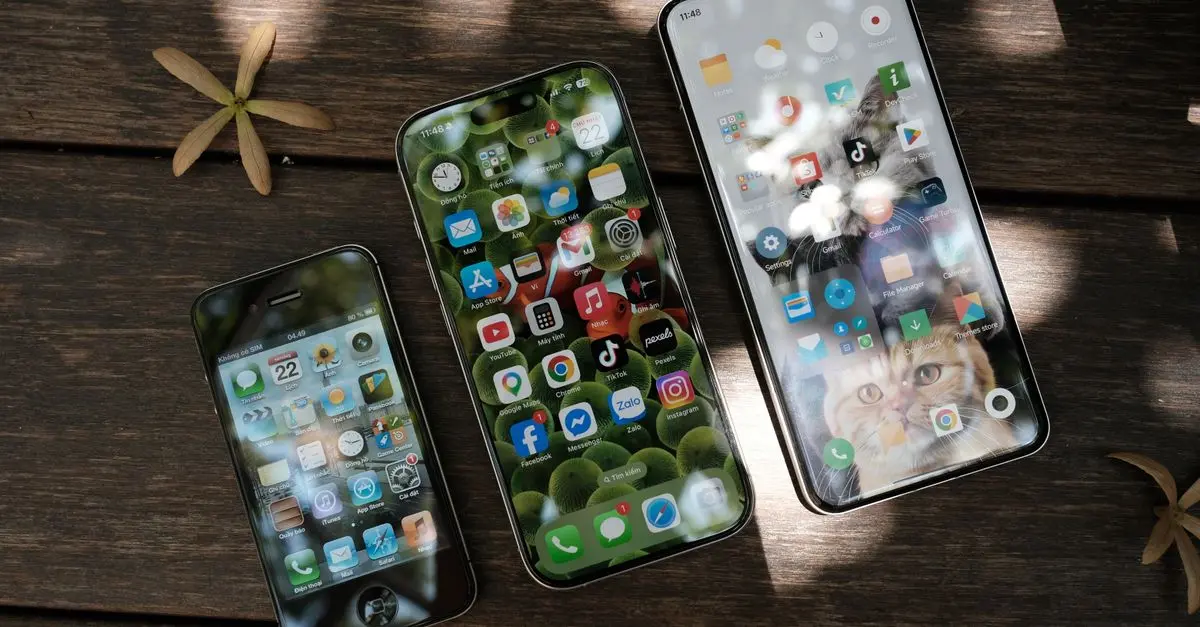
The debate between iPhone and Android has persisted for years, with each ecosystem showcasing unique strengths and weaknesses. In 2026, this ongoing rivalry continues to shape the smartphone industry, with increasingly advanced devices catering to various user needs. This article aims to provide a comprehensive comparison, considering critical aspects such as user experience, hardware, software ecosystems, and overall value.
Informational Overview
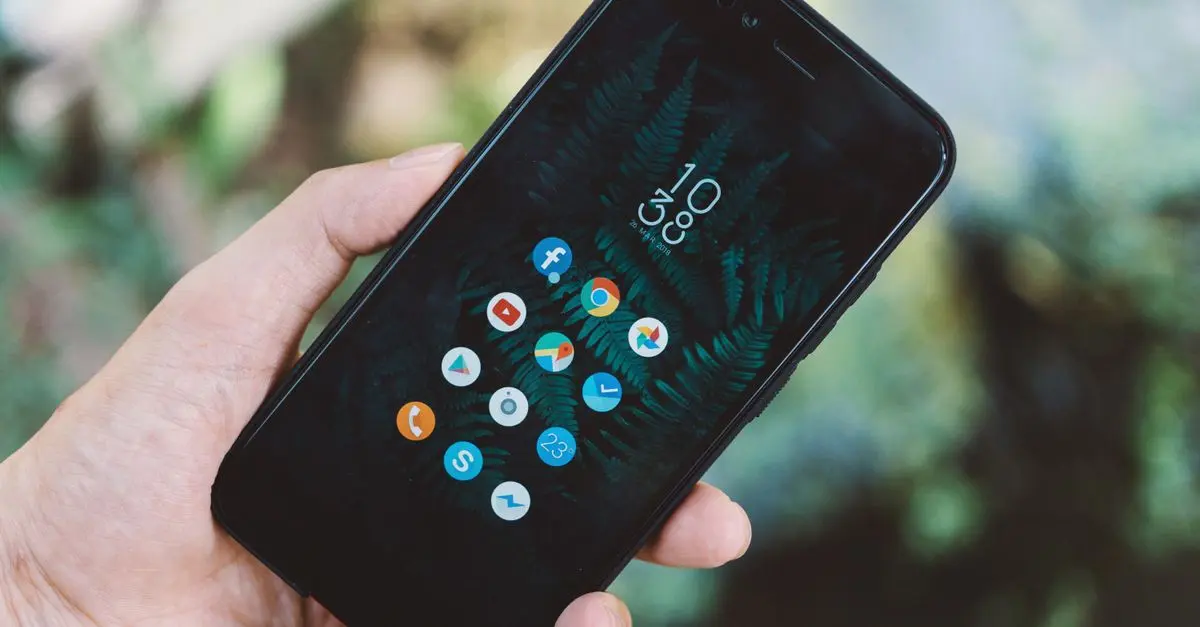
Understanding the context of iPhone vs Android requires familiarity with the key players in the smartphone market. Apple's iPhone is synonymous with premium build quality, seamless integration with other Apple products, and an ecosystem that prioritizes user privacy and security. In contrast, Android operating systems, developed by Google, offer a more customizable experience, catering to a wide range of devices and manufacturers. This distinction is crucial as users evaluate their preferences and requirements. Furthermore, as of 2026, Android holds approximately 72% of the global smartphone market share, while Apple's iPhone accounts for about 27% (according to Statista). These statistics illustrate the prevalence of Android, yet many consumers are drawn to the exclusivity and user-friendly nature of the iPhone.
Procedural Guide
To choose between iPhone vs Android, follow these steps:
- Assess Your Needs: Determine what features are most important to you, such as camera quality, battery life, or software capabilities.
- Research Devices: Explore various options within both ecosystems. For iPhone, consider the latest models such as the iPhone 15 series. For Android, investigate offerings from brands like Samsung, Google, and OnePlus.
- Examine Ecosystem Compatibility: Evaluate how well your chosen device will work with your existing technology, like smart home devices, laptops, or wearables. Apple's ecosystem is robust but may restrict you to their devices for complete functionality.
- Visit a Store: Hands-on experience is invaluable. Test devices to see how they feel and perform in real-world scenarios.
- Read Reviews: Leverage expert opinions and user reviews from reputable sources like UFC-Que Choisir and Les Numériques to get a well-rounded perspective.
Comparative Analysis
| Criterion | iPhone | Android | Verdict |
|---|---|---|---|
| User Interface | Smooth, intuitive UI | Highly customizable UI | Depends on preference |
| Software Updates | Regular updates | Varied, depending on manufacturer | iPhone wins for security |
| Hardware Quality | Premium materials | Varies by brand | iPhone generally higher |
| App Store | Strict curation | Diverse options | Android offers more diversity |
| Privacy Features | Strong privacy controls | Varies widely | iPhone preferred by privacy-conscious users |
In terms of user interface, the iPhone's fluid OS offers a consistent experience, while Android allows deeper customization for tech-savvy users. Regular software updates are a hallmark of the iPhone, ensuring security and the latest features. Conversely, Android users depend on their specific phone manufacturers for updates, leading to delays or a lack of support. Hardware quality on the iPhone tends to be more uniform, whereas with Android, the experience can vary greatly from budget to premium devices.
Analytical Data
In 2026, market research indicates that user satisfaction ratings for both ecosystems remain high, but with distinct focal points. A survey conducted by Pew Research Center found that 85% of iPhone users cite ease of use and integration with other Apple products as their primary reasons for loyalty. Meanwhile, 74% of Android users appreciate the flexibility and variety of devices available to them. Additionally, the average lifespan of an iPhone is typically around four years compared to three years for many Android devices, according to findings from Consumer Reports. This longevity factor can influence the total cost of ownership over time.
📺 Resource Video
> 📺 For further insights: A Side-by-Side Comparison of iPhone and Android Ecosystems, an in-depth video analysis of key differences and user experiences. Search on YouTube: iPhone vs Android detailed comparison 2026.
FAQs
- What are the main differences between iPhone and Android?
The main differences lie in user experience, software updates, hardware quality, and privacy controls. iPhones offer a seamless experience with regular updates, while Android devices provide greater customization options.
- Which is better for photography, iPhone or Android?
Both ecosystems offer excellent photography capabilities, but iPhones are often praised for consistent image quality and ease of use. However, high-end Android phones, like those from Samsung, have made significant strides in photography as well.
- How do I choose the best device for my needs?
Consider your priorities regarding software preferences, hardware quality, camera capabilities, and budget. Testing devices in-store is also highly recommended.
- Is the iPhone worth the higher price?
Many users feel that the iPhone's build quality, software support, and ecosystem justify its price. Ultimately, the decision depends on individual preferences and usage scenarios.
Checklist before Purchase
- [ ] Determine your primary needs (camera, battery life, etc.)
- [ ] Compare technical specifications of shortlisted devices
- [ ] Research and read reviews
- [ ] Check for ecosystem compatibility and integrations
- [ ] Test devices in-store for first-hand experience
Glossary
| Term | Definition |
|---|---|
| Ecosystem | A collection of products and services that work seamlessly together, enhancing user experience. |
| User Interface | The means by which users interact with a device, encompassing everything from touch gestures to menus.
| Privacy Controls| Features that safeguard user data, restricting access to information and enhancing security.
💡 Expert Opinion: “As a tech consumer, understanding the differences between iPhone and Android is crucial. While the iPhone shines in user experience and security, Android offers versatility that appeals to a broader range of users. The choice ultimately hinges on individual needs and preferences.” - A Tech Analyst
Conclusion
In the battle of iPhone vs Android, the verdict is not clear-cut. Both ecosystems offer distinct advantages catering to different user bases. As you weigh your options, consider how each platform aligns with your lifestyle, preferences, and technological needs.
For ongoing updates and comparisons on the latest smartphone technologies, stay tuned to industry journals and tech news sites.