Table of Contents (12 sections)
In today's digital age, selecting the right smartphone can be a daunting task, especially with the vast range of options available. Whether you're looking for a device for casual photography, gaming, or business needs, understanding what to prioritize is essential. This guide will walk you through crucial steps to help you make an informed decision on how to choose a smartphone that meets your specific needs.
1. Identify Your Essential Features
Before diving into the excitement of browsing different smartphones, it’s essential to list down the features that matter most to you. Common factors include camera quality, battery life, performance, operating system (iOS vs. Android), and storage capacity. For example, if you're passionate about photography, you might prioritize a smartphone with a high-resolution camera and advanced editing capabilities. According to a survey by UFC-Que Choisir, over 40% of users see camera quality as a top priority when selecting a mobile device. Think about your daily usage patterns — do you need a robust battery for extensive use, or does a sleek design carry more weight?
2. Set Your Budget
Once you've established the features you can't live without, the next step is to determine a budget. Smartphones range significantly in price, from budget-friendly options to high-end flagship models that can exceed $1,000. Consider what you're willing to spend and look for options within that range. It's also wise to remember that higher prices don't always guarantee superior functionality. The INSEE has reported that while people are investing more in smartphones, many budget models now offer competitive specs for everyday tasks. Identify your budget and aim to find the best value for your money — this could mean assessing previous models or lesser-known brands that offer impressive specifications at lower prices.

3. Research Operating Systems
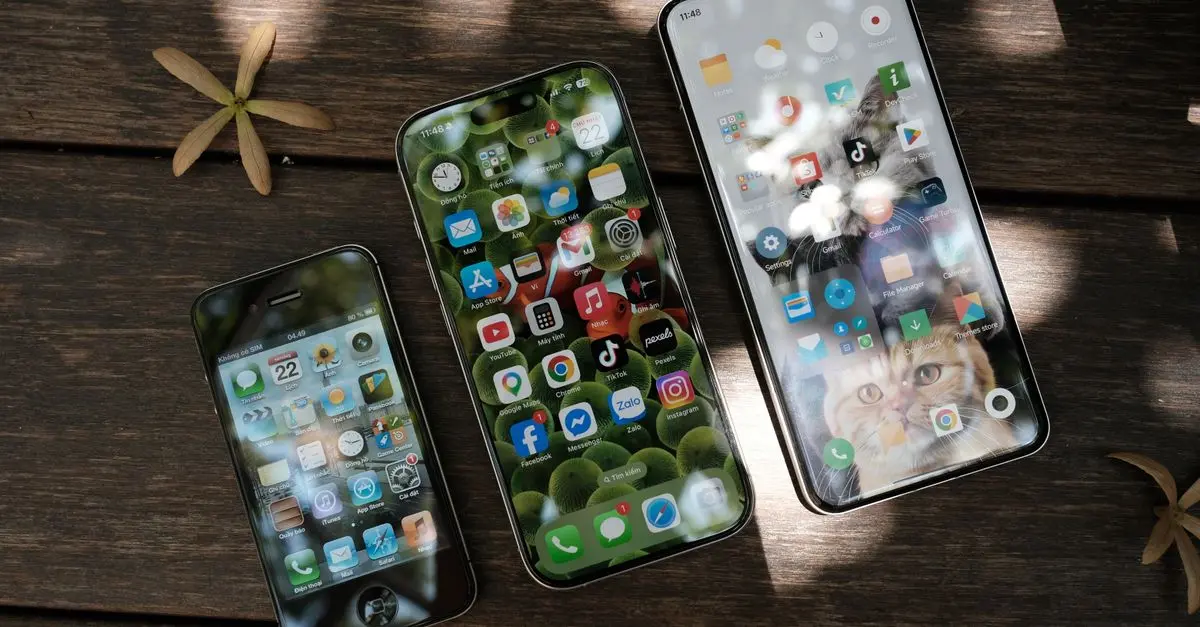
The next crucial decision is the operating system. The two main players are iOS and Android. If you’re already tied into a specific ecosystem (like Macs or iPads), sticking with iOS can be beneficial due to seamless integration. Alternatively, Android offers a broader range of devices and is often preferred for customization and variety. Your choice can affect app availability and usability. For instance, apps like Instagram and WhatsApp might perform differently on one system versus the other. Evaluate your needs and preferences with these systems and make a choice that complements your existing devices.
4. Compare Models and Read Reviews
With your priorities set, the next step is to begin comparing models. Consider making a comparison chart of the smartphones that meet your needs regarding features, price, and user reviews. Engaging with community feedback can provide insight into real-world usage. For example, if you find that a certain device frequently gets low ratings for battery life, it might be worth reconsidering its position on your shortlist. Additionally, websites like Les Numériques can offer detailed comparisons and reviews that highlight a device's pros and cons. This can streamline your decision-making process.
5. Check Carrier Compatibility and Deals
Before finalizing your choice, double-check the compatibility of your selected devices with your carrier. Not all devices work seamlessly across all networks, particularly at 5G speeds. Furthermore, many carriers offer deals when purchasing phones through them — sometimes making it cheaper to acquire a phone as part of a contract. Check if there are any promotions on your shortlist of smartphones, as these can significantly reduce your overall cost.
6. Make Your Purchase and Accessorize
Once you've made your decision, it’s time to purchase your new smartphone. Don’t forget to consider accessories that can enhance your smartphone experience. A durable case can protect your investment, while a quality screen protector is essential for preventing scratches. We have selected several products suited for your new device; you can find recommendations below. Lastly, think about cloud storage options if you're a heavy user of any applications that involve large media files or extensive data retention.

Checklist before Buying
- [ ] Identify essential features for my smartphone
- [ ] Set a clear budget
- [ ] Choose between iOS and Android
- [ ] Research and compare different models
- [ ] Confirm carrier compatibility and available deals
- [ ] Review essential accessories for my new device
Glossary
| Terme | Définition |
|---|---|
| iOS | Le système d'exploitation développé par Apple pour ses appareils mobiles. |
| Android | Système d'exploitation open source de Google, utilisé par de nombreux fabricants de smartphones. |
| 5G | La cinquième génération de technologie mobile offrant des vitesses de connexion significativement plus rapides. |
> 📺 Pour aller plus loin : Understanding Smartphone Specifications, a detailed walkthrough of what to look for in modern smartphones. Search on YouTube:
how to choose the right smartphone 2026.
Quiz rapide : Comment sélectionnez-vous votre smartphone ?
- A) Basé sur le prix
- B) En vérifiant les critiques en ligne
- C) En me fiant aux recommandations des amis
Réponse : C — Les recommandations d’amis peuvent souvent offrir des insights précieux sur la performance de l’appareil.
Recommended Products
- Product 1: Selected for its robustness and functionality.
- Product 2: An excellent choice for photography lovers.
- Product 3: A durable case that protects against everyday wear.
- Product 4: Ideal for enhancing mobile usability on the go.
- Product 5: A practical option for maximizing cloud storage.
📺 Pour aller plus loin : Which Android phone should you buy in 2026? sur YouTube
Recommended products
Selected by our experts