Table of Contents (12 sections)
Choosing the right smartphone can be a daunting task, especially with the multitude of options available today. A smartphone is often an essential aspect of our daily lives—serving as a communication tool, a camera, a personal assistant, and much more. This guide aims to provide you with a practical step-by-step approach to finding the smartphone that best suits your needs, preferences, and lifestyle.
Step 1: Define Your Primary Use Cases
The first step in how to choose the right smartphone is understanding how you intend to use it. Do you primarily need it for social media, photography, gaming, or business applications? Each use case requires different features. For example, if you enjoy photography, a smartphone with a high-quality camera and advanced imaging features will be essential. Conversely, if your focus is on productivity, battery life, and robust software features should be your priority. According to UFC-Que Choisir, understanding your primary use cases can significantly narrow down your options and ensure you choose a device that meets your requirements.
Step 2: Set Your Budget
Next, it's crucial to establish a budget. Smartphones vary widely in price, from entry-level models to premium devices costing upwards of $1,000. Setting a budget beforehand helps prevent overspending while still finding a model with the necessary features. As a guide, studies indicate that most consumers spend around $400 to $800 on a mid-range smartphone that offers a balance of quality and performance. This budget range often allows you to access powerful processors, decent camera capabilities, and satisfactory battery life, without venturing into the luxury market. Consider what specifications are non-negotiable for you and be prepared to compromise on less critical features to stay within your budget.
Step 3: Research Operating Systems
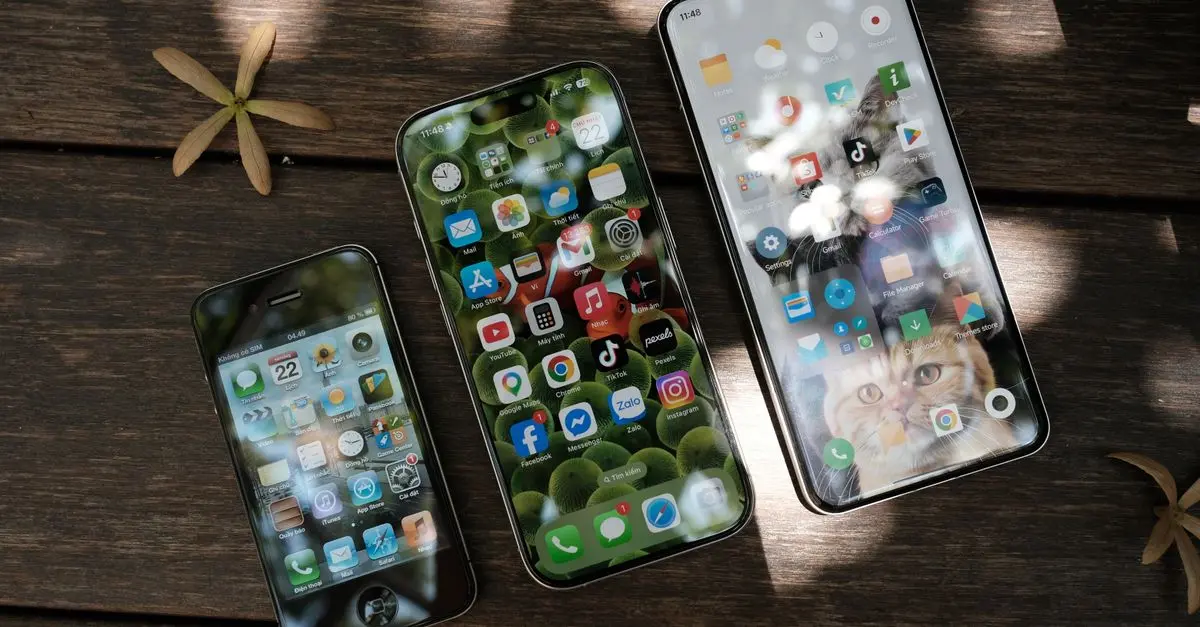
When you learn how to choose the right smartphone, one of the key decisions you'll face is the choice of operating system. The two dominant systems are Apple's iOS and Google's Android. Each has its unique advantages and user experiences. For example, iPhones are known for their user-friendly interface, regular software updates, and strong resale value. Android devices offer a wide variety of choices from different brands, with varying features, designs, and prices. If you're already invested in an ecosystem (like Google services or Apple products), this might influence your decision as well. Studies show that users who stay within the same ecosystem can enjoy seamless integration among devices, which can enhance functionality and convenience.
Step 4: Consider Essential Features
Once you have outlined your usage, budget, and operating system preference, it's time to evaluate essential features. Key factors to assess include:
- Camera Quality: Look for terms like megapixels, aperture size, and image stabilization if photography is vital for you.
- Battery Life: Many smartphones come with varying battery sizes. Research average battery performance to ensure it will last through your busy day.
- Storage Options: Assess whether you need expandable memory or are okay with fixed storage. Many users underestimate how much storage they need, especially with high-resolution media.
- Display Quality: Choose between LCD and OLED displays based on your viewing habits. OLED screens often provide better contrast and color quality.
Step 5: Analyze Reviews and Comparisons
After narrowing it down, it’s wise to look at expert reviews and consumer feedback. Websites like Les Numériques and 60 Millions de Consommateurs publish comprehensive tests and comparisons among the latest models. Pay attention to feedback regarding performance, durability, and after-sales support. Chances are, many customers have shared experiences that might highlight significant issues or advantages not immediately obvious during your preliminary research. A thorough analysis ensures that you're making an informed decision rather than impulsively selecting a shiny new model just based on its specifications.
Step 6: Test Before You Buy
If possible, the final step before purchase should be to test the smartphone in-store. This hands-on experience allows you to gauge the phone's feel in your hand, the responsiveness of the screen, and the overall user interface. Ask yourself: Is it comfortable to hold? Does everything feel intuitive? For some buyers, finding the right smartphone boils down to this tactile experience, which can often mean the difference between satisfaction and buyer’s remorse.
Checklist Before Purchase
- [ ] Define your primary use cases.
- [ ] Set your budget.
- [ ] Choose your operating system (iOS or Android).
- [ ] Analyze essential features (camera, battery life, etc.).
- [ ] Research reviews and expert comparisons.
- [ ] Test the smartphone physically in-store.
📺 Resource Video
> 📺 For deeper insights: How to Choose the Right Smartphone in 2026, a detailed analysis of modern smartphone selection criteria. Search on YouTube for this informative discussion.
Glossary
| Terme | Définition |
|---|---|
| iOS | Système d'exploitation d'Apple utilisé sur les iPhones. |
| Android | Système d'exploitation développé par Google pour divers smartphones. |
| Megapixels | Unité de mesure de la résolution d’une caméra, indiquant le nombre de millions de pixels. |
FAQs
Drop Dash Deals Screen Clip Phone Mount, Universal Smartphone Holder Screen Clip Phone Mount, Universal Smartphone Holder
inspireuplift.com


MOVO - PR-1 Smartphone Grip Handle Rig - Compatible with Most Smartphones
bestbuy.com
Recommended Products
- - - ---
📺 Pour aller plus loin : The Best Phone You Can Buy Right Now (Summer 2026) sur YouTube
Recommended products
Selected by our experts