Table of Contents (10 sections)
Selecting the right smartphone can feel overwhelming given the myriad of options available today. With evolving technology and diverse user preferences, understanding what to consider before making a purchase is crucial. This guide will help you navigate through the decision-making process and ultimately choose the best smartphone that fits your needs.
1. Understand Your Needs
Before diving into the specs and models, take a moment to reflect on your mobile usage. Are you someone who primarily uses their phone for social media, photography, work, or gaming? Recognizing your usage habits will direct your selection criteria. For example, heavy gamers may prioritize a smartphone with a high refresh rate and a powerful processor. Conversely, if you mostly browse online or make calls, you might not need the latest flagship model.
Next, consider the types of activities you conduct on your smartphone. For instance, photographers should look for smartphones with advanced camera systems, while professionals who rely on productivity applications may benefit from models with large screens and high battery capacities. Establishing clarity on your primary needs assists remarkably in narrowing your choices.
2. Set a Budget
Your budget plays a primary role in determining which smartphones are viable options. Prices for smartphones can range dramatically, from budget models to high-end flagship devices costing upwards of $1,200 or more. Understanding your financial constraints will help you focus on options that deliver the best value for your money.
Additionally, it's helpful to research different pricing options for both new and refurbished devices, as many retailers offer marketing discounts. According to UFC-Que Choisir, many users report satisfactory experiences with mid-range devices that provide excellent functionality at a lower cost. Evaluate your spending philosophy as well; some prefer to invest heavily in devices with long-lasting performance and superior features, while others may opt for cheaper models liable to rotate every couple of years.
3. Compare Features
When narrowing down options based on needs and budget, it's essential to compare various smartphone features. Here’s a concise comparison of essential specifications:
| Feature | Smartphone A | Smartphone B | Smartphone C |
|---|---|---|---|
| Camera | 108 MP Wide Angle Camera | Dual 12 MP with Night Mode | 64 MP with Macro Lens |
| Battery Life | 4500 mAh (24 hours) | 4000 mAh (20 hours) | 5000 mAh (30 hours) |
| Display | 6.5" AMOLED, 120Hz | 6.1" OLED, 60Hz | 6.8" LCD, 90Hz |
| Processor | Octa-core 3.0 GHz | Hexa-core 2.85 GHz | Octa-core 2.4 GHz |
4. Evaluate Operating Systems
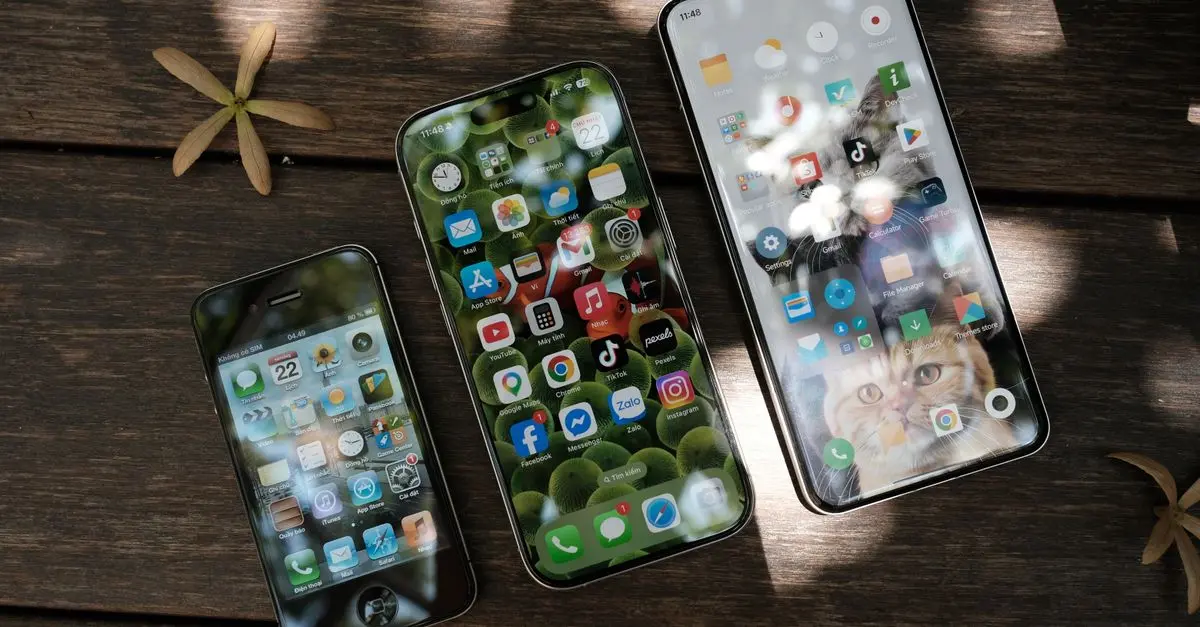
Deciding between iOS and Android is a pivotal part of the process. Both operating systems have unique advantages; iOS is known for its intuitive design and streamlined updates, while Android excels in customization and a broader range of devices. iOS users often enjoy a synchronized experience with other Apple devices like tablets and computers. In contrast, Android offers a vast array of devices across different price ranges, facilitating user selection based on distinct preferences.
Moreover, consider software support duration. Apple typically supports older devices much longer than many Android manufacturers, which translates to better longevity. Analyze your ecosystem preferences—if you work extensively with Google services or Microsoft applications, your experience may vary based on which operating system you choose.
5. Battery and Charging Specifications
Battery performance directly affects daily usability. Today's smartphones come equipped with various battery capacities and fast-charging technologies. A smartphone with a battery rating of 4000 mAh or greater should suffice for most users, providing ample all-day usage.
Moreover, quick charging systems can be a game changer. Many phones offer features allowing for rapid recharging within a short timeframe, which is advantageous for users constantly on the go. Look for reviews related to battery performance, as real experiences will often provide insight into whether a specific model maintains its performance over time.
6. Check for Reviews and Research
While specifications provide a good overview, genuine user reviews offer insights that numbers can’t convey. Spend time researching reviews online, whether through tech websites, blogs, or even platforms like YouTube where users share their real-world experiences. Analyze feedback for pros and cons and be alert to recurring issues noted by various users.
Moreover, consider visiting retail locations to physically handle devices. It can distinctly change your perception—how it feels in your hand, the quality of the display, or the camera performance—all are often better judged in person. Utilize comparison tools available online to juxtapose different models and gather as much information as possible before settling on a device.
Checklist before Purchase
- [ ] Identify your primary smartphone usage needs.
- [ ] Establish and stick to a budget.
- [ ] Compare features and specifications of shortlisted devices.
- [ ] Choose an operating system: Android vs iOS.
- [ ] Examine battery performance and charging capabilities.
- [ ] Read user reviews and expert analyses for final insights.
💡 Expert Opinion: We have found that users often underestimate the importance of battery life and software updates when choosing a smartphone, which can significantly affect overall satisfaction.
📺 Ressource Vidéo
> 📺 For more information: Check out this detailed video on how to choose the best smartphone, which covers everything from budget considerations to feature comparisons. Search on YouTube: "how to choose the best smartphone 2026".
Glossary
| Terme | Définition |
|---|---|
| mAh | Milliampere-hour, a unit of electric charge used to measure battery capacity. |
| FPS | Frames per second, a measurement of how many unique consecutive images the device can produce in one second. |
| ROM | Read-Only Memory, indicates the internal storage capacity of the smartphone. |
In conclusion, choosing the perfect smartphone requires understanding your preferences, familiarity with operating systems, and keeping a keen eye on budget constraints. With the right approach, you can select a device that will serve you well for years to come. Don't hesitate to explore our selections below, as we have curated a list of smartphones ideal for different needs and preferences. Happy shopping!
📺 Pour aller plus loin : how to choose the best smartphone 2026 sur YouTube
Recommended products
Selected by our experts