Table of Contents (10 sections)
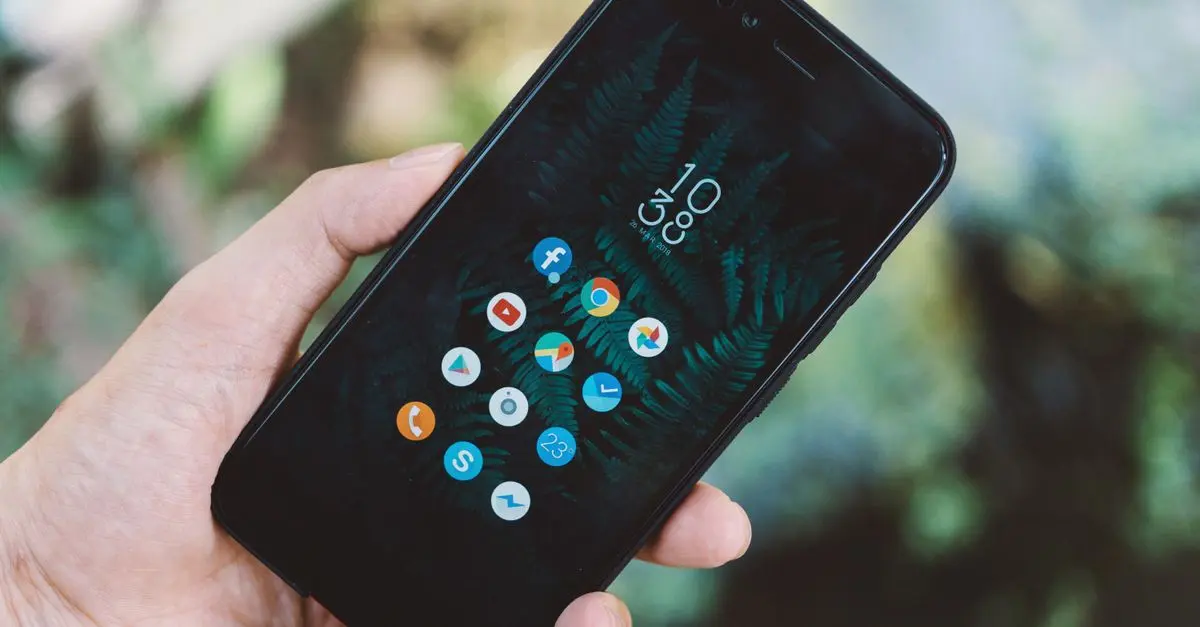
In recent years, AI in smartphones has risen to prominence, fundamentally changing how users interact with their devices. With the advancement of machine learning and artificial intelligence, smartphones have become more supportive of user needs than ever before. This article delves into the different aspects of AI in smartphones and how it's revolutionizing user experience in our daily lives.
AI Personal Assistants: A Key Player
One of the most significant impacts of AI in smartphones can be seen in personal assistant technology. Assistants like Siri, Google Assistant, and Alexa leverage machine learning algorithms to provide personalized responses. For example, these assistants can learn from user interactions over time, making suggestions and reminders that are relevant to individual lifestyles. According to a survey conducted by Statista, approximately 60% of smartphone users reported that personal assistants improved their productivity and efficiency in daily tasks.
As these AI personal assistants continue to evolve, they’re also integrating with smart home devices and apps, creating a seamless experience across platforms. This interconnected environment means that users can control their entire home ecosystem from their smartphones.
💡 Expert Insight: Personal assistants are no longer just for fun; they have become essential in routine tasks like scheduling and home management, directly impacting user satisfaction.
Enhanced Camera Experiences Through AI
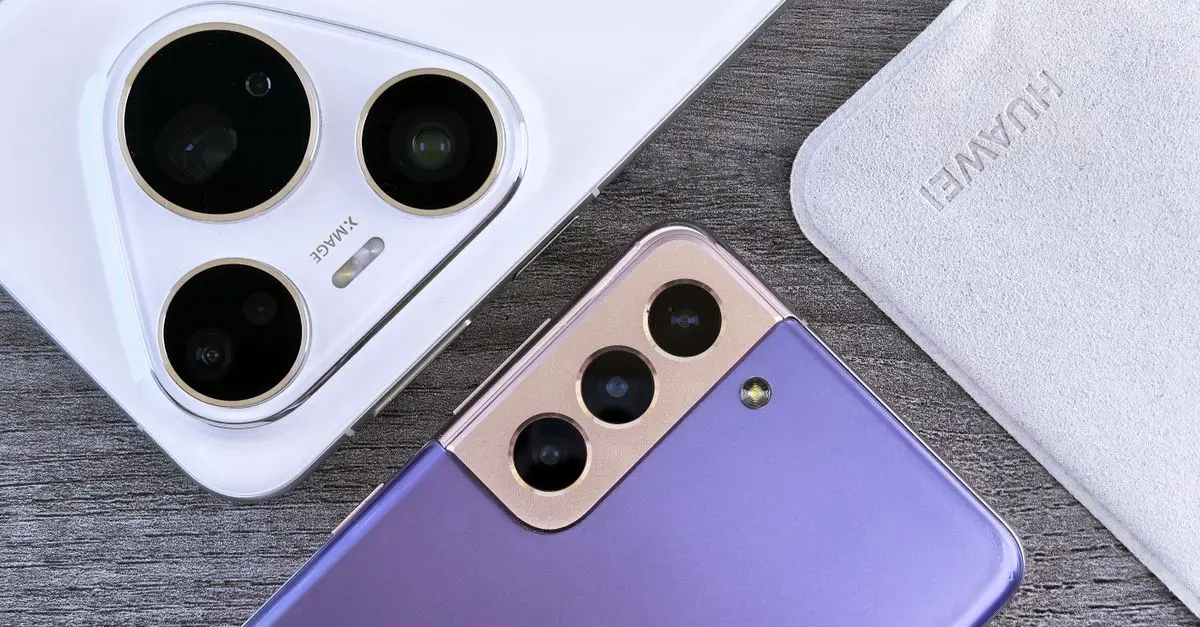
In 2026, the integration of AI in smartphone camera technology has reached new heights, transforming how we take and edit photos. AI algorithms now support features like scene recognition, enhanced low-light capabilities, and real-time photo enhancements. According to industry reports, over 80% of smartphone users consider camera quality as their primary deciding factor when purchasing a new device.
For instance, AI applications can analyze multiple frames of an image and recommend the best shot based on lighting and composition. Moreover, features such as automatic editing apps, which enhance photos through AI, enable users to create stunning images with minimal effort. These enhancements not only simplify the photography process but also encourage users to share their experiences on social media platforms.
Drop Dash Deals Screen Clip Phone Mount, Universal Smartphone Holder Screen Clip Phone Mount, Universal Smartphone Holder
inspireuplift.com


Smart Smartphone Case - For Samsung Galaxy XCover6 Pro Smartphone - Black
bestbuy.com
Security Enhancements with AI
As smartphone technology advances, so does the need for security. AI has dramatically improved security measures in smartphones. Face recognition and fingerprint scanners use sophisticated algorithms that continually learn and adapt, making unauthorized access increasingly difficult. According to a report from McKinsey, cybersecurity breaches have decreased by 30% thanks to such AI-driven security features.
Furthermore, AI can detect unusual patterns in user behavior that might indicate fraudulent activity. This predictive capacity allows for proactive measures to be taken, enhancing overall device security and user trust in their smartphones. As security becomes a paramount concern, AI's role in developing robust solutions is more critical than ever.
AI-Based Health Monitoring
One of the exciting directions of AI in smartphones is health monitoring. Devices are now equipped with sensors that can track various health metrics, such as heart rate, sleep patterns, and physical activity levels. AI analyzes this data to provide actionable insights that can help improve users' health.
For instance, many smartphones come with built-in health apps that provide personalized recommendations based on the data collected over time. A report from Pew Research Center indicates that 75% of smartphone users are interested in health-tracking features, highlighting the significant demand for this capability.
Moreover, this integration of health monitoring helps users to manage their wellness proactively, thereby enhancing overall user experience and fostering a sense of empowerment regarding personal health.
The Role of AI in Accessibility
AI in smartphones has also advanced accessibility features, enabling people with disabilities to navigate their devices more easily. Technologies like voice-to-text, screen readers, and gesture controls allow for better usability. A study from Gartner shows that 43% of smartphone users with disabilities reported improved experiences thanks to AI-enhanced accessibility features.
For example, AI-powered real-time translation apps facilitate communication for individuals with hearing loss. Similarly, visual recognition AI helps visually impaired users interact with their environment more effectively. This promotes inclusivity and ensures everyone can enjoy the benefits of advanced smartphone technologies, ultimately enriching user experience comprehensively.
Conclusion
The integration of AI in smartphones profoundly shapes the user experience in 2026. From personalized assistants to improved security measures and health monitoring, AI is creating a tailored smartphone experience for individuals. As technology progresses, we can expect even more revolutionary changes that will continue to enhance how we interact with our devices. We believe that these trends will pave the way for a future where smartphones will better connect and streamline our lives.

MOVO - PR-1 Smartphone Grip Handle Rig - Compatible with Most Smartphones
bestbuy.com

Movo PR-1 Smartphone Grip Handle Rig - Compatible with Most Smartphones black
shop.simon.com

📺 Resource Video:
For an in-depth look at this topic, explore YouTube for videos like "The Future of Smartphone AI in 2026" for a comprehensive analysis of the latest developments.
Checklist before purchase:
- [ ] Verify AI capabilities of the smartphone model
- [ ] Check health monitoring features
- [ ] Consider camera technology specifications
- [ ] Review security features
- [ ] Explore accessibility options
Glossary
| Term | Definition |
|---|---|
| AI (Artificial Intelligence) | Simulation of human intelligence by machines, facilitating tasks like learning and problem-solving. |
| Machine Learning | A subset of AI that allows systems to automatically improve from experience. |
| Personal Assistant | AI-driven software that assists users in tasks via voice or text interaction. |
---
📺 Pour aller plus loin : AI smartphone features 2026 advancements sur YouTube
Recommended products
Selected by our experts