Table of Contents (13 sections)
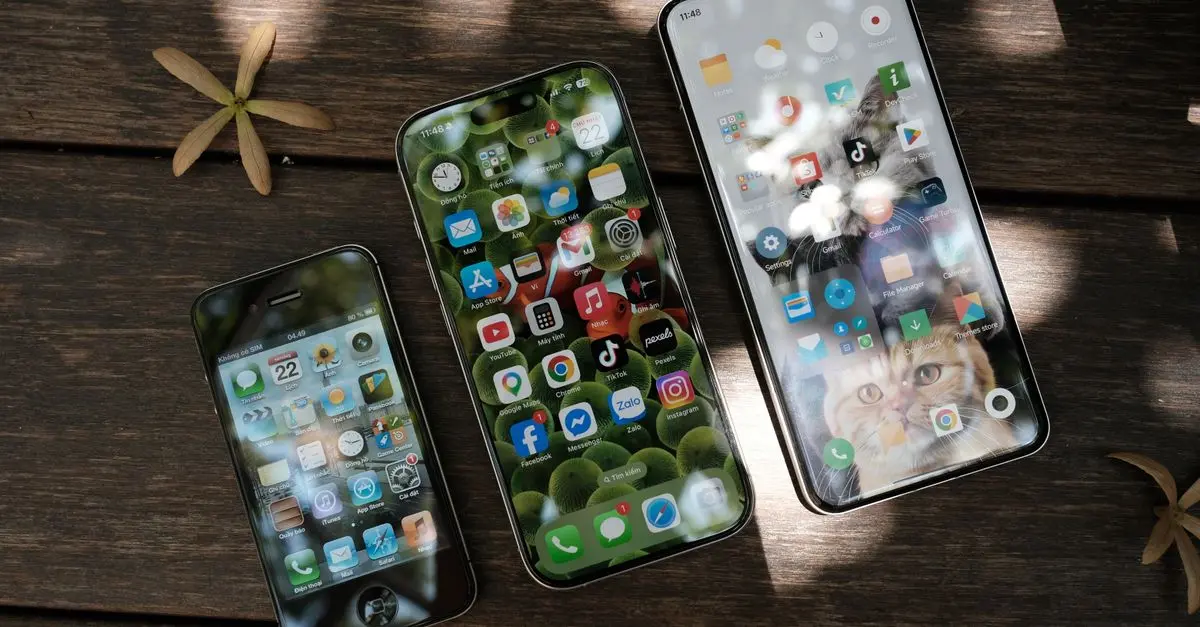
In 2026, AI in smartphones has become a cornerstone of innovation, dramatically reshaping how we communicate, manage tasks, and experience digital content. With advancements in machine learning, natural language processing, and computer vision, smartphones are no longer just communication devices; they are becoming intelligent companions that learn our behaviors and preferences. This article delves into the key trends revolutionizing smartphone features through AI, providing insights into how these changes are enhancing user experiences.
Information on AI in Smartphones
Artificial Intelligence refers to the simulation of human intelligence processes by machines, especially computer systems. In the context of smartphones, AI facilitates tasks such as voice recognition, image processing, and predictive text, which have become essential for enhancing device usability. According to a study by Gartner in 2025, over 80% of smartphone users were utilizing at least one AI-powered feature, underscoring the pervasive impact of AI technologies. This shift not only improves consumer satisfaction but also influences purchasing decisions, as users increasingly seek devices that can seamlessly integrate digital experiences into their daily lives.
The integration of AI helps to optimize performance, extend battery life, and personalize user experiences beyond static settings. For instance, AI-driven battery management can learn usage patterns to conserve energy where it's more needed, allowing the device to function longer without additional charging. Furthermore, AI assists in security features, such as facial and voice recognition, which protect sensitive information effectively.
Procedural: How AI Powers Features in Smartphones
Implementing AI in smartphones follows several systematic steps:
- Data Collection: Smartphones gather vast amounts of data from users through their daily interactions—this includes app usage patterns, browsing history, and even voice commands.
- Machine Learning Algorithms: These algorithms analyze the collected data to identify usage trends and areas for improvement. For example, predictive text features utilize past typing data to suggest words or phrases before the user finishes typing.
- Real-time Processing: AI algorithms run in real-time, enabling immediate adjustments or recommendations based on current user behavior. Personal assistants like Siri or Google Assistant exemplify this feature by adapting their responses based on previous interactions.
- Feedback Loops: After implementing AI features, companies often gather user feedback to refine their algorithms further, enhancing the reliability and effectiveness of AI interactions.
By following this process, smartphones can introduce features that are not only reactive but also proactively cater to user needs, making them more user-friendly.
Drop Dash Deals Screen Clip Phone Mount, Universal Smartphone Holder Screen Clip Phone Mount, Universal Smartphone Holder
inspireuplift.com


Smart Smartphone Case - For Samsung Galaxy XCover6 Pro Smartphone - Black
bestbuy.com
Comparative: AI-Driven Smartphones vs. Traditional Smartphones
| Feature | AI-Driven Smartphones | Traditional Smartphones | Verdict |
|---|---|---|---|
| Voice Recognition | Advanced (context-aware) | Basic (command-based) | AI offers a more seamless experience |
| Picture Processing | Smart editing & filtering | Simple filters | AI delivers professional-quality images |
| Security | Biometric (face/voice) | Password-protected | AI provides enhanced security |
| App Integration | Contextual suggestions | Manual app management | AI enhances usability |
This table outlines the substantial differences in user experience between AI-driven and traditional smartphones. With AI, users enjoy a more integrated and intelligent interaction, which facilitates smoother operations.
Analytical Perspective: Trends and Statistics
As we proceed through 2026, several trends emerge regarding AI in smartphones:
- Increased Personalization: Devices are utilizing AI to provide more personalized experiences. Adobe predicted a growth of 25% in user engagement for apps leveraging AI personalization features.
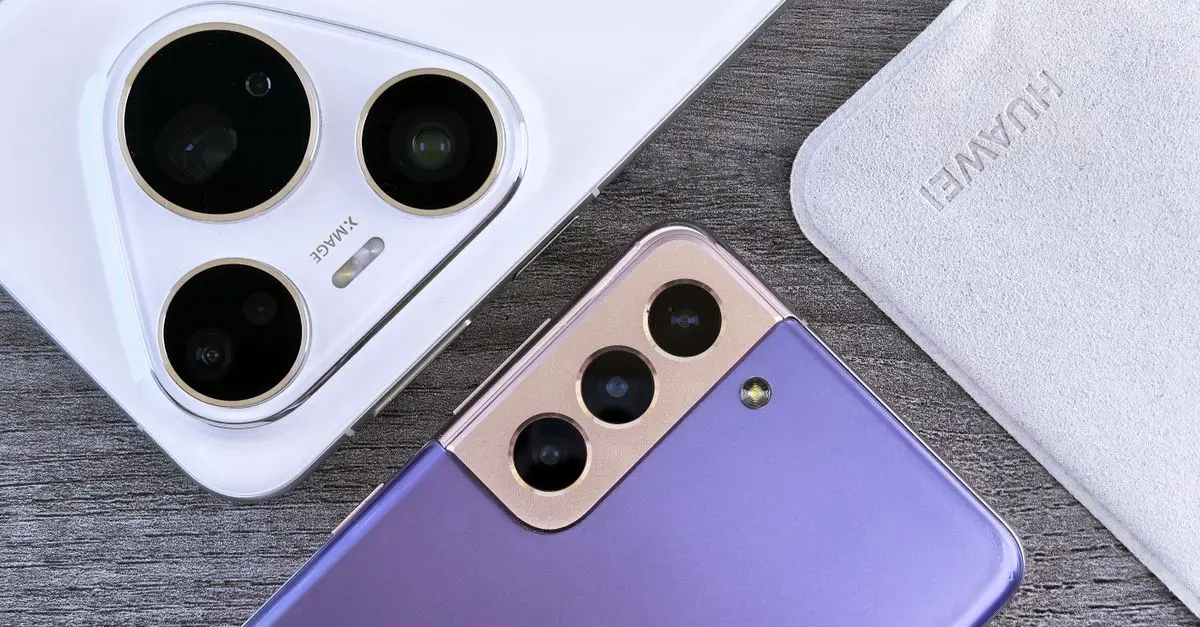
- Enhanced Camera Functionality: AI-powered cameras are set to dominate smartphone features, with capabilities such as scene recognition and improved low-light performance. According to Nielsen, 70% of users consider camera quality a key factor in their smartphone purchases.
- Smart Assistants and Home Connectivity: AI integration expands beyond smartphones to encompass smart homes, allowing users to control devices seamlessly. Recent surveys indicate that 60% of smartphone users engage with home automation via their devices, showcasing AI's role as a central hub for smart tech.
The data reflects a robust trajectory for AI's influence in the smartphone industry, highlighting the critical role of AI in product differentiation and user retention strategies.
Q: What is the primary benefit of AI in smartphones?
A: The primary benefit is enhanced user experience through personalized features, making devices more intuitive and user-friendly.
Q: How does AI improve smartphone photography?
A: AI enhances photography through features like scene recognition, which automatically adjusts settings for optimal image quality based on conditions.
Q: Can AI help with battery management?
A: Yes, AI can optimize battery usage by analyzing user habits and adjusting background processes to prolong battery life.
Q: What makes AI security features superior?
A: AI security features, such as biometric authentication, learn and adapt, providing better protection against unauthorized access compared to traditional methods.
Glossary
| Term | Definition |
|---|---|
| Machine Learning | A subset of AI that enables systems to learn from data and improve over time. |
| Natural Language Processing | A field of AI focused on enabling machines to understand and respond to human language naturally. |
| Predictive Analytics | Techniques used to analyze current and historical data to make predictions about future events. |
Checklist before Purchase
- [ ] Identify your primary smartphone use (e.g., photography, gaming).
- [ ] Explore AI features that cater to your needs.
- [ ] Compare battery life and optimization features.
- [ ] Check the quality of camera AI functionalities.
- [ ] Review user feedback on AI performance in devices.

MOVO - PR-1 Smartphone Grip Handle Rig - Compatible with Most Smartphones
bestbuy.com

Movo PR-1 Smartphone Grip Handle Rig - Compatible with Most Smartphones black
shop.simon.com

📺 Resource Video
> 📺 To go further: Discover the latest features of AI in smartphones, a complete analysis of advancements in 2026. Search on YouTube: latest AI smartphone features 2026.
In conclusion, AI is significantly reshaping smartphones, and as consumers become more accustomed to these innovations, expectations will only grow. We encourage you to explore our selected products that enhance smartphone usage and experience. Discover our recommendations below!
📺 Pour aller plus loin : latest AI smartphone features 2026 sur YouTube
Recommended products
Selected by our experts