Table of Contents (18 sections)
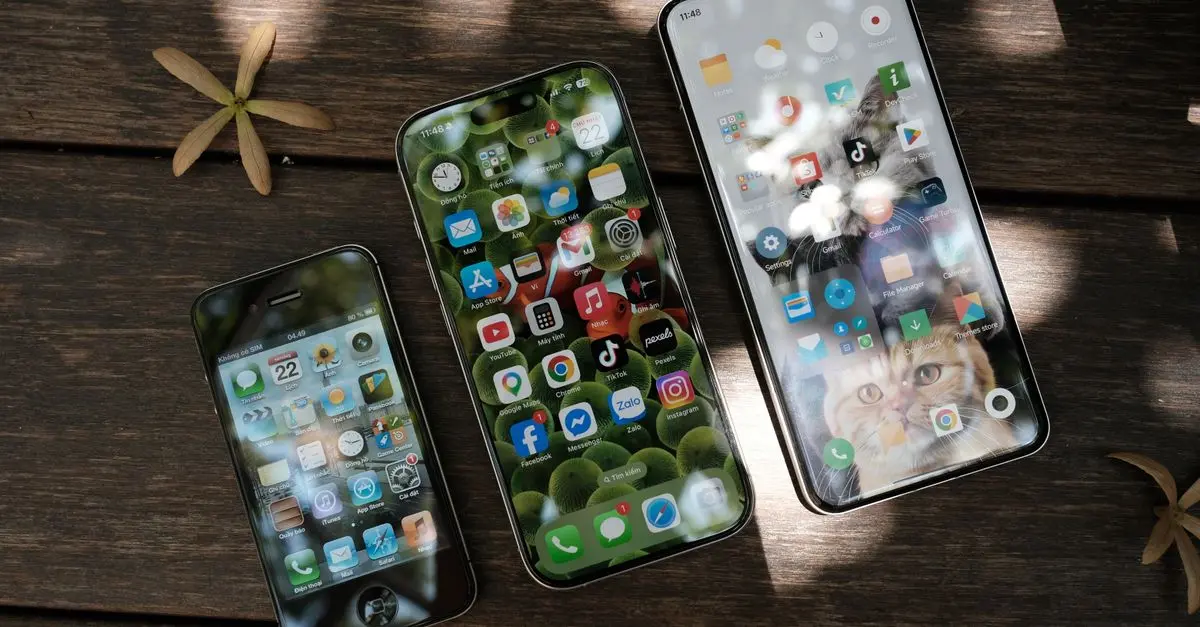
Artificial Intelligence (AI) is more than just a buzzword; it’s rapidly transforming numerous facets of technology, with AI in smartphones leading the charge. In 2026, the integration of AI not only enhances smartphone functionality but also tailors user experiences in unprecedented ways. From voice assistants that understand context to photography tools that adeptly adjust settings, AI is redefining how we interact with our daily devices. Understanding these developments is essential for consumers eager to maximize their smartphone use.
What is AI in Smartphones?
AI in smartphones refers to leveraging machine learning and algorithms to improve functionality, adapt device behavior, and enhance user experiences. It encompasses various functions ranging from personalized recommendations in apps to optimizing camera settings based on the environment. As smartphones become more advanced, manufacturers increasingly incorporate AI capabilities to streamline user interactions and improve overall performance.
Devices equipped with AI can analyze user behavior, predict needs, and offer suggestions, effectively turning a smartphone into a personalized assistant. According to a report from Gartner, nearly 80% of smartphones will rely on AI to improve performance by 2026. This projection highlights the essential role AI will play in the ongoing evolution of mobile technology.
Major Trends in 2026: How AI is Shaping Smartphone Features
Enhanced Camera Capabilities
In 2026, one of the most significant trends is the enhancement of smartphone cameras through AI. Modern smartphones utilize machine learning algorithms to identify subjects, adjust lighting, and apply artistic filters in real time. For instance, AI can now intelligently reduce noise in low-light photos, recognize faces for optimal focus, and even suggest compositions to users.
Research from IDC notes that as of 2026, AI-driven photography innovations have increased the market share of smartphones with advanced camera systems by 30%. Users can expect features such as improved night mode, advanced portrait blur, and the automatic adjustment of settings based on the scene detected. These automatic adjustments not only improve picture quality but also make photography more accessible to the everyday user.
Voice Assistants with Contextual Awareness
Another major advancement in AI in smartphones lies in the evolution of voice assistants. By 2026, voice-activated apps will no longer be merely reactive; they’ll be proactive and contextually aware. The transition from reactive voice command systems to more intuitive assistants offers profound implications for user interaction. Instead of simply responding to commands, these assistants will learn from past interactions to anticipate requests.
For example, through natural language processing (NLP) improvements, a voice assistant might recognize when a user mentions errands and proactively suggest reminders based on location data and past behavior analysis. Markets like Statista project that the global smart speaker market, which is closely related, is expected to reach $35 billion by the end of 2026, reflecting the increasing reliance on contextual voice interactions.
Personalized User Experience
Tailoring user experience is another hot trend fueled by AI. Smartphones can now collect data to provide personalized applications and services. Through ongoing analysis of usage patterns, AI makes targeted suggestions, improving the phone's utility to meet individual user needs.
AI algorithms employ data from various interactions — app usage, web searches, and social media activity — to predict relevant content and services for users. For example, if a user frequently engages with health-related apps, the device may recommend new workout applications or diet plans. According to Deloitte, 70% of smartphone users reported enjoying personalized app recommendations, observing a more satisfying user experience.
Battery Management through Smart AI
As smartphones evolve, intelligent battery management systems are becoming essential. AI-driven technology can monitor app usage and adjust power distribution dynamically, extending battery life based on user habits. By predicting peak usage times and enabling energy-saving modes intelligently, these features not only enhance efficiency but also alleviate user concerns regarding battery longevity.
A study from NPD Group revealed that 56% of users believe battery life is a critical factor when choosing a smartphone, and AI’s role in optimizing power usage is proving to be a valuable competitive advantage for manufacturers.
Seamless Integration with IoT Devices
The trend toward integrating smartphones with IoT devices continues to soar, with AI acting as a pivotal component. Smartphones equipped with AI capabilities can seamlessly communicate and control various smart devices, from home automation systems to connected wearables. This integration fosters a more cohesive smart ecosystem, enhancing ease of control for users.
Predictions indicate that by 2026, over 40 billion IoT devices will be in use globally, meaning smartphones must evolve to manage these interconnected systems effectively. AI technologies will facilitate smoother interactions between gadgets, learning user preferences, and automating routine tasks, creating a truly smart lifestyle.
Drop Dash Deals Screen Clip Phone Mount, Universal Smartphone Holder Screen Clip Phone Mount, Universal Smartphone Holder
inspireuplift.com


Smart Smartphone Case - For Samsung Galaxy XCover6 Pro Smartphone - Black
bestbuy.com
Table: Comparative Analysis of AI Features in Smartphones
| Feature | Traditional Implementation | AI-Enhanced Implementation | Verdict |
|---|---|---|---|
| Camera Quality | Manual adjustments | Real-time scene recognition | AI greatly enhances quality |
| Voice Assistant | Pre-defined commands | Contextual understanding | More intuitive and personalized |
| Battery Management | Basic usage tracking | Predictive power optimization | Significantly improves battery life |
| IoT Integration | Limited connectivity | Smart ecosystem and automation | Seamless and convenient usage |
How does AI improve smartphone camera performance?
AI enhances camera performance by automatically adjusting settings like exposure and focus based on the scene, as well as reducing image noise.
What role does AI play in smartphone battery management?
AI optimizes battery usage by learning user patterns and dynamically managing power distribution to extend battery life based on predicted usage.
Can AI voice assistants understand context?
Yes, advanced AI voice assistants can recognize contextual elements based on user behavior and past interactions, providing proactive assistance.
How does AI enhance the smartphone user experience?
AI personalizes the user experience by analyzing behavior to offer tailored app suggestions, notifications, and settings, making interaction more meaningful.
Glossary
| Term | Definition |
|---|---|
| AI (Artificial Intelligence) | The simulation of human intelligence in machines designed to think and act like humans. |
| Machine Learning | A subset of AI that enables systems to learn and improve from experience without explicit programming. |
| Natural Language Processing (NLP) | A branch of AI that focuses on the interaction between computers and humans through natural language. |
Checklist before Buying a Smartphone
- [ ] Check AI camera features
- [ ] Evaluate the voice assistant capabilities
- [ ] Consider battery management functionalities
- [ ] Review integration with IoT devices
- [ ] Look for personalized user experience options
📺 Resource Video
Explore how AI is revolutionizing smartphones in 2026. Search on YouTube: "AI features in smartphones 2026"

MOVO - PR-1 Smartphone Grip Handle Rig - Compatible with Most Smartphones
bestbuy.com

Movo PR-1 Smartphone Grip Handle Rig - Compatible with Most Smartphones black
shop.simon.com

Conclusion
As we move deeper into 2026, the role of AI in smartphones is set to expand dramatically. With trends emphasizing enhanced camera capabilities, intuitive voice assistants, personalized experiences, and smart energy management, the future of smartphones is not just about advanced hardware; it’s about creating interconnected, responsive ecosystems that prioritize user needs. Explore our hand-picked selections below to complement your smartphone experience today.
📺 Pour aller plus loin : AI features in smartphones 2026 sur YouTube
Recommended products
Selected by our experts