Table of Contents (10 sections)
Artificial Intelligence (AI) has become a critical component of modern technology, influencing various industries, but its most intimate application is in smartphones. The integration of AI into mobile devices has not only transformed their functionality but also revolutionized user experience. From camera enhancements to personal assistants, AI smartphone features have made devices smarter and more responsive to user needs.
What are AI Smartphone Features?
AI smartphone features refer to the embedded artificial intelligence technologies within mobile devices that enhance performance, usability, and overall functionality. These features leverage algorithms and machine learning to learn from user behavior, adapt to preferences, and automate tasks. Key examples include improved camera functionalities, predictive text, voice recognition, and personalized app recommendations. For instance, smartphones today can recognize a face and adjust the exposure in real-time to ensure the best photo quality.
Understanding AI smartphone features is essential for consumers looking to optimize their mobile experiences. With AI, devices not only execute commands but also anticipate user needs. This capability stems from vast amounts of data that allow AI algorithms to make informed decisions, creating a more intuitive interaction between users and their devices.
How is AI Transforming Smartphone Capabilities?
The impact of AI on smartphone capabilities is monumental. One significant area is in photography. Advanced AI algorithms are used in image processing, allowing users to capture stunning photos with minimal effort. For instance, AI enhances image quality by identifying elements within a scene and adjusting settings appropriately, such as brightness, contrast, and saturation. According to a report by Les Numériques, smartphones equipped with AI features can deliver professional-quality pictures, significantly enhancing user satisfaction.
Furthermore, AI improves battery management by learning user habits and optimizing power consumption. This means that smartphones can extend battery life by regulating which apps remain active based on user patterns, making devices not just intelligent but efficient. With the rise of AI in smartphones, manufacturers are able to offer features that cater not just to tech-savvy users but to the everyday consumer, making technology more accessible.


AI Innovations in Smartphone Security
AI’s influence on smartphone security cannot be understated. Modern smartphones utilize AI technologies for biometric security features, such as facial recognition or fingerprint scanning. These systems continuously learn and adapt, making them increasingly difficult to bypass. For example, users can unlock their devices by simply looking at them, which is both secure and convenient. This feature employs machine learning algorithms to recognize individual users' facial patterns and adapt to changes, such as aging or changes in hairstyle.
Moreover, AI-driven software constantly monitors device activity, identifying unusual behavior that might indicate a security threat. This proactive approach enables smartphones to alert users of potential risks and implement countermeasures, ensuring data integrity and personal security. As mobile security threats become more sophisticated, the incorporation of AI provides a crucial layer of defense, effectively safeguarding users’ sensitive information.
Comparison of AI Smartphone Features
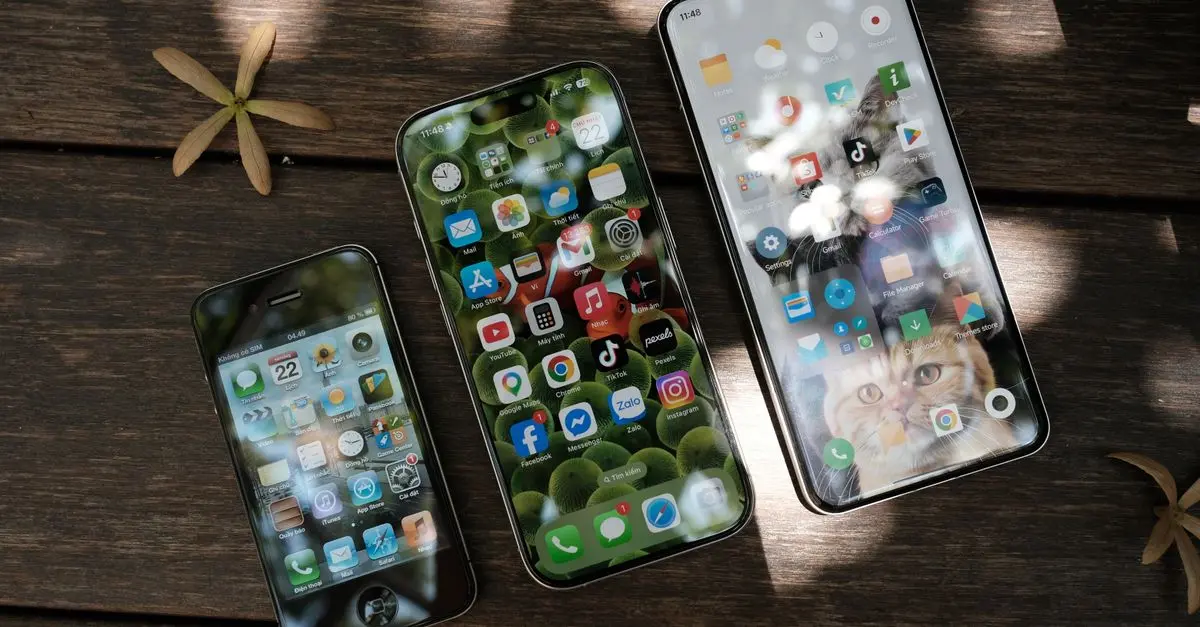
To illustrate the differences in AI smartphone capabilities across various devices, here’s a comparative analysis of three major smartphones.
| Feature | Smartphone A | Smartphone B | Smartphone C | Verdict |
|---|---|---|---|---|
| Camera AI Enhancement | Yes (Night Mode) | Yes (Portrait Mode) | Yes (Ultra Wide) | All have notable features |
| Battery Management | Smart Adaptive | Standard | Hyper-Optimized | C leads in efficiency |
| Security Features | Facial Recognition | Fingerprint Scanner | Iris Scanning | C offers the most security |
| User Interface | Customizable | AI Suggestions | Fully Adaptive | B performs best for users |
The Future of AI in Smartphones
Looking ahead, the future of AI in smartphones appears promising. The trend toward increased personalization will continue, with devices learning more about users' habits and preferences to offer tailored experiences. Combine this with advancements in AI training algorithms and hardware capabilities, and we are likely to see even more innovative uses of AI technology in mobile devices.
For instance, future AI features may include enhanced predictive capabilities, assisting users even before they articulate their requests or queries. Innovations like context-aware virtual assistants could become more prevalent, understanding not just what users are asking, but also the context in which requests are made. This would create a seamless integration of AI technology into everyday life, making smartphones not only tools but also companions on the go.
💡 Expert Opinion: AI technology in smartphones will likely define the next wave of innovation, blending hardware and software capabilities. Companies that invest in AI-driven features today will not only enhance user experience but also set themselves apart in a competitive market.
📺 Resources Video
> For further insights, check out The Future of AI in Smartphones, exploring innovative features shaping the industry. Search on YouTube for: future of AI smartphone features 2026.
- What is the main benefit of AI smartphone features?
The main benefit is enhanced user experience through personalization and automation, making smartphones more intuitive and efficient.
- How does AI improve smartphone photography?
AI enhances smartphone photography by automatically adjusting camera settings based on scene recognition, improving photo quality.
- Are AI features secure in smartphones?
Yes, AI features enhance security by utilizing biometric data and continuously learning to detect anomalies in device behavior.
- What future AI developments can we expect in smartphones?
We may see more context-aware virtual assistants and advanced predictive capabilities, further streamlining user interactions.


Glossary
| Term | Definition |
|---|---|
| AI (Artificial Intelligence) | Simulation of human intelligence processes by machines, especially computer systems. |
| Machine Learning | A subset of AI that uses algorithms to analyze data, learn from it, and make decisions. |
| Biometric Security | Security process that relies on the unique biological characteristics of an individual. |
Checklist before Purchase
- [ ] Assess AI camera capabilities
- [ ] Evaluate battery efficiency features
- [ ] Check security options available
- [ ] Compare user interface customization options
- [ ] Review customer feedback on AI features
We have selected several products adapted to enhance your smartphone experience, check out our recommendations below!
📺 Pour aller plus loin : future of AI smartphone features 2026 sur YouTube
Recommended products
Selected by our experts