Table of Contents (15 sections)
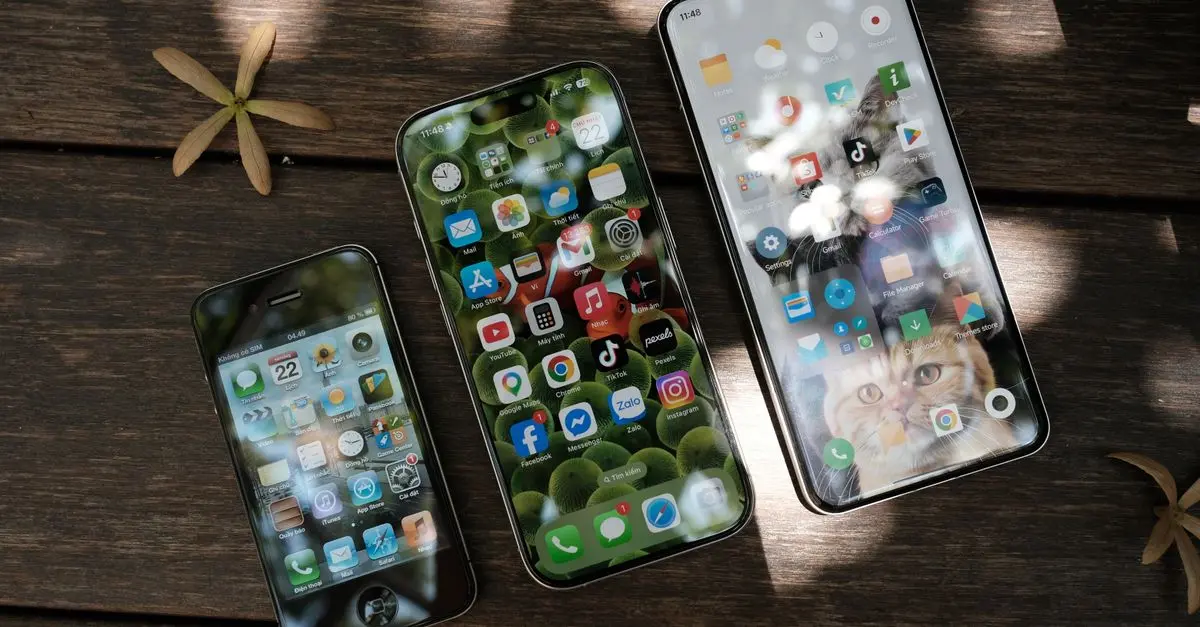
Artificial Intelligence (AI) is revolutionizing various sectors, and the smartphone industry is no exception. From enhancing camera functionalities to improving battery life and predictive text features, AI plays a crucial role in modern smartphones. In this article, we will explore the multifaceted impact of AI in smartphones and how it enhances user experiences.
What is AI in Smartphones?
AI in smartphones refers to the integration of machine learning algorithms and data analysis capabilities within mobile devices. This technology allows smartphones to learn from user behavior, adapt functionalities, and provide personalized experiences. For instance, AI-powered voice assistants like Siri and Google Assistant can understand natural language and provide context-aware responses based on users’ past interactions, showcasing the evolving nature of smartphone intelligence.
AI applications can also go beyond mere assistance. They improve functionalities such as photographic enhancements, real-time language translations, and even security features like facial recognition. For example, Google Pixel smartphones employ AI in their cameras to enable features like Night Sight, which captures high-quality images in low-light conditions by automatically adjusting various settings. This AI capability not only improves user satisfaction but also showcases the smartphone's advanced technological edge.
How AI Enhances Smartphone Cameras
One of the most noticeable areas where AI impacts smartphone functionality is the camera. Many modern smartphones utilize AI to enrich photographic capabilities, making it easier for users to capture perfect images. Here’s how AI enhances this functionality:
- Scene Recognition: AI algorithms can analyze a scene and adjust camera settings automatically. For example, a phone may detect a landscape, portrait, or night scene and adjust exposure and color balance accordingly.
- Image Processing: AI enhances images by reducing noise, improving clarity, and managing color saturation. For instance, generated images go through AI filters that optimize brightness and contrast.
- Post-Processing Features: Tools such as portrait mode, which blur backgrounds and focus on the subject, rely heavily on AI. By analyzing depth data, AI can produce a bokeh effect that mimics professional photography.
Statistics show that more than 60% of users consider camera quality a top priority when purchasing a smartphone. By integrating AI, smartphone manufacturers meet this demand and offer enhanced camera functionalities that appeal to both casual and professional photographers alike.
Drop Dash Deals Screen Clip Phone Mount, Universal Smartphone Holder Screen Clip Phone Mount, Universal Smartphone Holder
inspireuplift.com


Smart Smartphone Case - For Samsung Galaxy XCover6 Pro Smartphone - Black
bestbuy.com
AI-Powered Personalization Features
AI in smartphones is not limited to photography; it extends to personalizing user experiences. Here are a few developments in this area:
Predictive Text and Autocorrect
AI technologies analyze typing patterns, linguistic styles, and common phrases, allowing for predictive text suggestions that significantly improve typing efficiency. Users benefit from reduced typing time and increased accuracy as the smartphone learns from their previous messages.
Smart Battery Management
Battery life is a critical concern for smartphone users. AI helps optimize battery consumption by learning usage patterns. For instance, devices can identify applications that consume excessive energy and suggest usage changes to enhance battery life. One study showed that smartphones with AI-powered battery management systems could extend battery life by up to 30%.
Improved Security Protocols
Smartphones now utilize AI for enhancing security features. Facial recognition, for instance, uses AI to create a unique fingerprint of your face. Over time, this AI learns to recognize you better, making your device more secure by differentiating between users more effectively.
Comparative Analysis of AI Features in Leading Smartphones
To understand the evolution and impact of AI further, let’s compare how different smartphone brands incorporate AI into their devices. The following table highlights key AI features found in leading smartphones.
| Feature | Smartphone A (e.g., Apple) | Smartphone B (e.g., Google) | Smartphone C (e.g., Samsung) | Verdict |
|---|---|---|---|---|
| Camera AI | Night Mode, Smart HDR | Night Sight, Motion Photos | Scene Optimizer | Google excels in dynamic photography features. |
| Battery Management | Adaptive Battery | Smart Battery | Optimized Battery Usage | All brands have competitive systems but vary in efficiency. |
| Assistant Capability | Siri | Google Assistant | Bixby | Google Assistant remains the most versatile. |
| Security Features | Face ID | Face Unlock | Fingerprint + Face Unlock | Apple leads in secure facial recognition tech. |
📺 Resources Video
> 📺 For further insights: Explore how advancements in AI are reshaping our smartphones, detailed analysis at YouTube: how AI is changing smartphones features 2026.
Expert Insight
> 💡 Expert Opinion: According to Les Numériques, recent advancements in AI technologies in smartphones have led to more intuitive user interfaces and enhanced device capabilities. The market trend suggests that smartphones without AI integration will struggle to remain competitive as consumers increasingly demand smarter functionalities.

MOVO - PR-1 Smartphone Grip Handle Rig - Compatible with Most Smartphones
bestbuy.com

Movo PR-1 Smartphone Grip Handle Rig - Compatible with Most Smartphones black
shop.simon.com

Checklist before Choosing a Smartphone with AI
- [ ] Evaluate AI camera performance
- [ ] Check battery management features
- [ ] Analyze predictive text capabilities
- [ ] Test security features (face unlock, fingerprint)
- [ ] Research smart assistant efficiency
Glossary
| Term | Definition |
|---|---|
| AI (Artificial Intelligence) | Technology that enables machines to mimic human-like intelligence and behavior. |
| Machine Learning | A subset of AI that allows systems to learn and improve from experience without explicit programming. |
| Predictive Text | AI feature that provides word suggestions based on user typing patterns. |
Conclusion
As we enter a new era of smartphone technology, AI continues to reshape features, making devices smarter and more user-friendly. Embracing these advancements can significantly enhance user experiences and productivity. Explore our recommendations for products designed to optimize your smartphone experience below.
Recommended Products
- - - - ---
📺 Pour aller plus loin : how AI is changing smartphones features 2026 sur YouTube
Recommended products
Selected by our experts