Table of Contents (11 sections)
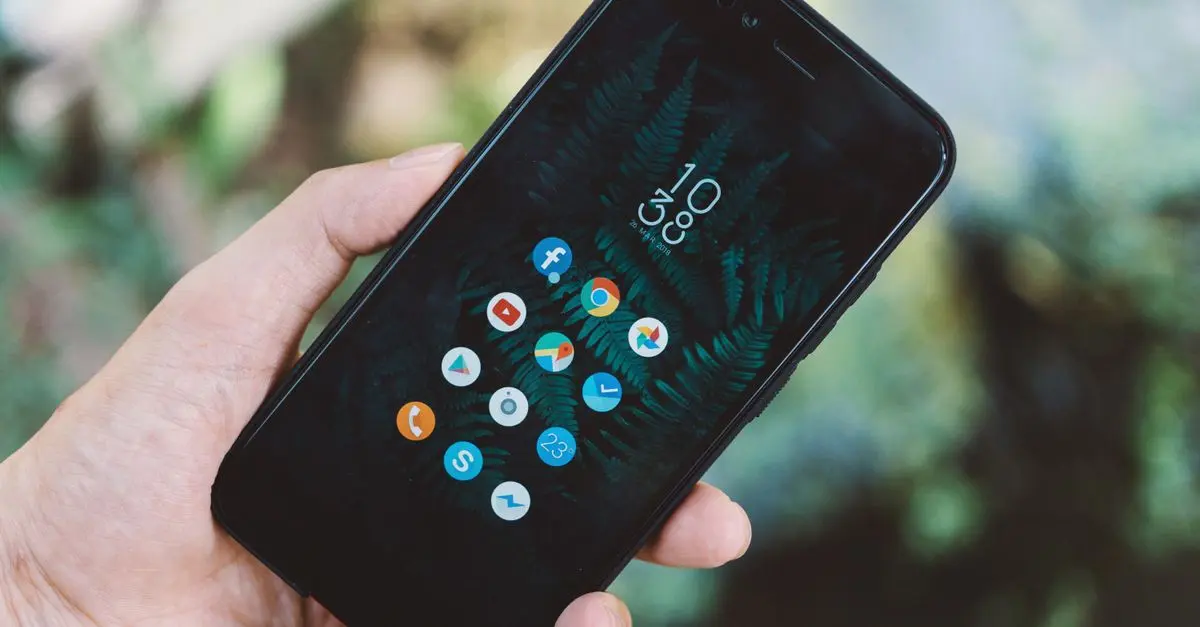
Smartphone connectivity is rapidly evolving, influenced by technological advances, consumer demand, and the need for seamless integration across devices. As we explore the future of this sector, several key trends are set to shape how we interact with our smartphones and the world around us. Here, we delve into the most significant developments that will redefine smartphone connectivity in the coming years.
1. Integration of 5G and Beyond
The rollout of 5G technology has been a game-changer for smartphone connectivity. It offers significantly faster data speeds, lower latency, and immense capacity for device connections. According to a report from GSMA, global 5G connections are expected to surpass 1.7 billion by 2025, with most new smartphones supporting this technology. This advancement enables smoother streaming, enhanced virtual reality experiences, and real-time communication without interruptions.
With 5G moving towards 6G, expected around 2030, the integration of AI and advanced data processing will further enhance smartphone capabilities, including higher-speed downloads and improved network reliability. This evolution means users can expect their smartphones to handle even more extensive data applications, paving the way for innovations in mobile gaming, immersive AR/VR experiences, and smart city applications.
2. AI-Powered Connectivity
Artificial Intelligence (AI) is increasingly integral to smartphone connectivity. AI algorithms enhance performance, optimize battery life, and enable predictive text suggestions, streamlining user experiences. Additionally, AI facilitates seamless integration with other smart devices, allowing smartphones to act as central control hubs for IoT (Internet of Things) devices.
For example, smartphones can learn user patterns and suggest optimal connections based on location and time of day. This intelligent connectivity is not just limited to personal devices but extends to services offered by smart assistants, making user interactions more intuitive. As AI continues to evolve, future smartphones could anticipate user needs based on environmental factors and previous interactions.
3. Enhanced Security and Privacy Features
As connectivity expands, so do concerns about security and privacy. Future smartphones are poised to incorporate advanced security features, like biometric authentication (facial recognition, fingerprint scanning) and end-to-end encryption for communications. According to a recent study by Cybersecurity Ventures, cybercrime is projected to cost the world $10.5 trillion annually by 2025, highlighting the pressing need for robust security in mobile technology.
New protocols and technologies, such as decentralized identity management and blockchain solutions, are anticipated to enhance user trust. This trend will likely lead to smartphones that not only protect user information but also empower users to control their digital identities more securely, reflecting a greater emphasis on privacy in the digital age.
4. The Rise of Mesh Networking
Mesh networking is an emerging trend that promises to transform smartphone connectivity. Unlike traditional networks that rely on a single router, mesh systems utilize multiple nodes to create a seamless web of connectivity. This structure enhances coverage, especially in urban areas plagued by dead spots and congested networks.
With smartphones increasingly supporting mesh networking, users will experience improved connectivity in their homes, offices, and public spaces. This technology will enable a continuous connection, facilitating activities like conferencing, gaming, and HD streaming without interruption. By 2026, the adoption of such networks is expected to rise significantly, fostering greater collaboration among connected devices.
5. Foldable and Flexible Smartphone Designs
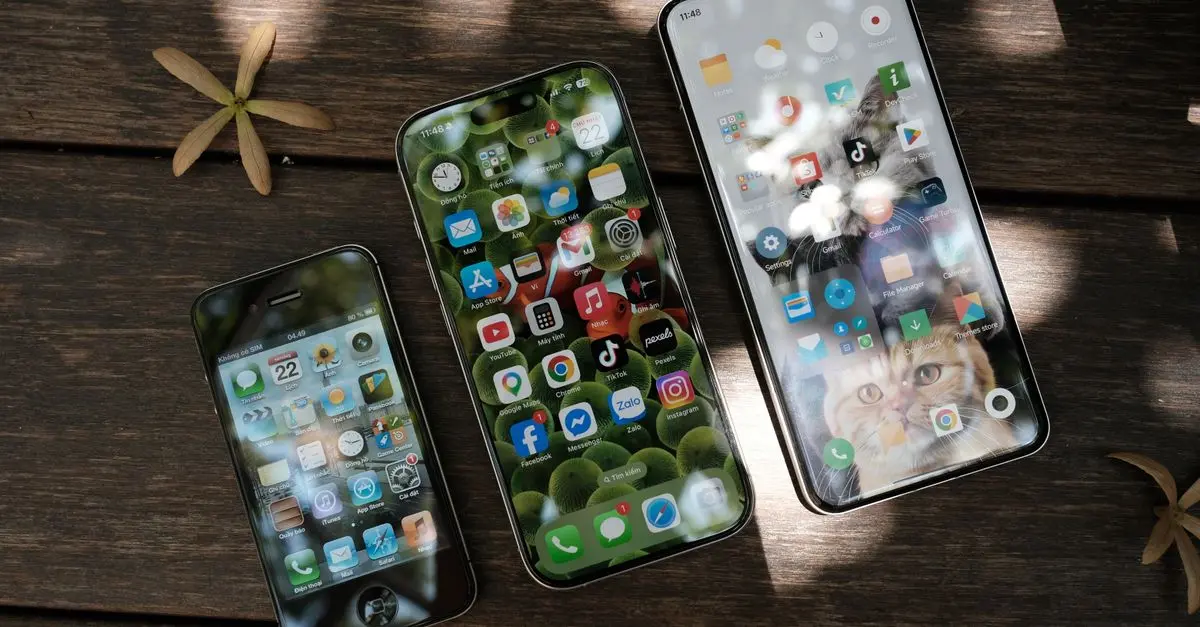
The ongoing innovation in smartphone design, particularly foldable and flexible devices, presents exciting opportunities for connectivity enhancements. These phones can adapt their displays for different use cases, like multitasking, which could lead to novel applications in how we connect and communicate.
The popularity of this design, with products from leading brands making a significant entrance into the market, reflects a shift towards multifunctional devices. Additionally, as manufacturers refine their technologies, these designs may incorporate better connections, robust security features, and advancements that make the transition between devices seamless. Statista projects that foldable phone shipments will reach 50 million units by 2025, underscoring the market potential.
6. Sustainability in Smartphone Connectivity
As environmental awareness grows, sustainability in smartphone manufacturing and connectivity will become a priority. The industry is likely to shift toward more eco-friendly materials and energy-efficient technologies, promoting responsible production and consumption patterns. Eco-friendly innovations, such as solar charging capabilities and recyclable materials, will be integrated into future smartphone designs.
Furthermore, improved connectivity may help reduce e-waste by enabling devices to receive software updates for longer durations, minimizing the need for frequent hardware replacements. This trend reflects a broader societal commitment to sustainability, enhancing the overall responsibility of tech companies towards the environment.
📺 For further exploration:
[Understanding 5G Connectivity], an in-depth analysis of its impact on mobile devices. Search on YouTube: "5G technology in smartphones 2026".
Checklist before buying your smartphone
- [ ] Check 5G compatibility
- [ ] Review AI features
- [ ] Verify security protocols
- [ ] Look for mesh networking support
- [ ] Consider foldable design options
- [ ] Assess sustainability measures
Glossaire
| Terme | Définition |
|---|---|
| 5G | La cinquième génération de connectivité mobile offrant des vitesses de données plus rapides et une latence réduite. |
| IoT | Internet des Objets, un réseau d'appareils interconnectés qui peuvent collecter et partager des données. |
| AI | Intelligence Artificielle, l'utilisation de systèmes informatiques pour simuler l'intelligence humaine. |
---
📺 Pour aller plus loin : 5G technology in smartphones 2026 sur YouTube
Recommended products
Selected by our experts


eufy Robot Lawn Mower E18 + Outdoor Lights E22 + Blade Set + Blade Disc Gray
eufy.com

eufy Robot Lawn Mower E15 + Outdoor Lights E22 + Blade Set + Blade Disc Gray
eufy.com