Table of Contents (15 sections)
In today's digital age, smartphone security features are more crucial than ever. With an increase in mobile usage, the potential for cyber threats has also escalated. Reports indicate that over 60% of smartphone users have experienced some form of cyber threat, highlighting the need for robust security measures. In this article, we will delve into essential security features you shouldn't overlook to ensure the best protection for your device.
1. Biometric Authentication
Biometric authentication, such as fingerprint scanners and facial recognition, adds a significant layer of security to your smartphone. These technologies use unique biological traits, making it difficult for unauthorized users to access your device. According to a report from Gartner, biometric methods reduce unauthorized access by 90% compared to traditional PINs. Devices that implement biometric authentication can perform these checks within seconds, providing not only security but also convenience.
2. End-to-End Encryption
End-to-end encryption ensures that your messages are secured while in transit between two devices. This means that only the recipient can read the messages, making it an invaluable feature for messaging apps. Services like WhatsApp and Signal utilize this technology to protect user data from surveillance and hacking attempts. The rise of encrypted messaging underlines the increasing demand for privacy in communications. With the increasing threat of data breaches, end-to-end encryption is non-negotiable for serious smartphone users.

StarTech.com Precision Electric Screwdriver with 55 bits, Alkaline Battery
lenovo.com
Drop Dash Deals Screen Clip Phone Mount, Universal Smartphone Holder Screen Clip Phone Mount, Universal Smartphone Holder
inspireuplift.com

Smart Smartphone Case - For Samsung Galaxy XCover6 Pro Smartphone - Black
bestbuy.com
3. Automatic Software Updates
Keeping your smartphone's operating system and applications updated is vital to security. Manufacturers regularly release updates that patch vulnerabilities and enhance security features. Yet, a staggering 25% of users disable automatic updates, leaving their devices exposed. By enabling automatic updates, you can ensure your device remains secure against newly identified threats without having to remember to update manually.
4. App Permissions Control
Understanding and managing app permissions is a significant aspect of smartphone security. Each app you install requests various permissions, which can sometimes lead to privacy issues if misused. You can regularly review and adjust these permissions via your device’s settings, ensuring that apps only have access to the information they genuinely require. This proactive measure can help mitigate risks associated with malicious apps that attempt to harvest personal data.
5. Virtual Private Networks (VPNs)
Utilizing a VPN can protect your data from prying eyes, especially when using public Wi-Fi networks, which are often less secure. VPNs encrypt your internet traffic and mask your IP address, providing anonymity online. Statistics show that 40% of internet users have become victims of data breaches over unsecured networks. By adopting a VPN, you are significantly reducing your risk of falling prey to cybercriminals targeting unprotected connections.
6. Remote Wipe Capability
In case your smartphone gets lost or stolen, having remote wipe capability installed is crucial. This feature allows you to erase all data on your device from a distance, ensuring your sensitive information is not in the wrong hands. Many platforms, including Android and iOS, offer this service. According to McAfee, 77% of smartphone thefts result in data breaches, underscoring the need for such preventive measures.


MOVO - PR-1 Smartphone Grip Handle Rig - Compatible with Most Smartphones
bestbuy.com

Movo PR-1 Smartphone Grip Handle Rig - Compatible with Most Smartphones black
shop.simon.com
7. Security Alerts and Notifications
Implementing security alerts can help you stay updated on any unusual activity or attempts to access your accounts. Most smartphone operating systems allow you to customize notifications to monitor specific activities. Setting these alerts can enhance your cybersecurity posture by enabling immediate action if unauthorized access is detected.
8. Secure Lock Screen Options
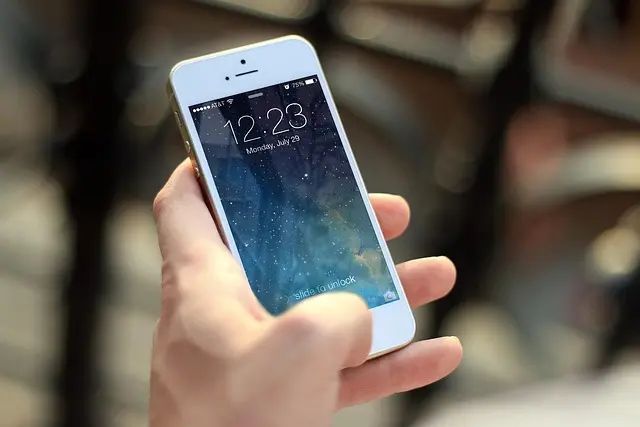
A secure lock screen is your first line of defense against unauthorized access. Options include PIN codes, patterns, fingerprints, or facial recognition. It's essential to choose a method that balances convenience with security. Research by Pew Research Center suggests that 29% of users opt for easy-to-remember codes, which can compromise security. Choosing complex authentication methods can significantly reduce the risk of unauthorized access.
9. Avoiding Public Wi-Fi for Transactions
While it's tempting to connect to free public Wi-Fi networks, it's often a hotspot for hackers. Whenever possible, avoid making financial transactions or accessing sensitive data over public networks. Instead, consider using your cellular data or a trusted VPN to safeguard your information. Taking this precaution can greatly minimize the risk of being hacked over vulnerable networks.
10. Regular Backups
Regular backups can safeguard your data in the event of theft, loss, or hardware failure. Both iOS and Android devices offer backup options to cloud services that ensure your data remains accessible even after a device loss. According to Statista, nearly 30% of smartphone users fail to back up their data consistently, leaving them vulnerable. Regular backups ensure you can recover lost data without compromising security.
📺 For more insights:
Search on YouTube: "Essential smartphone security tips 2026"
Checklist before strengthening your smartphone security
- [ ] Enable biometric authentication
- [ ] Set up end-to-end encryption on messaging apps
- [ ] Activate automatic software updates
- [ ] Review app permissions regularly
- [ ] Install and configure a VPN
- [ ] Enable remote wipe capability
- [ ] Set up security alerts
- [ ] Choose a secure lock screen method
- [ ] Avoid public Wi-Fi for sensitive transactions
- [ ] Backup data regularly
Glossary
| Term | Definition |
|---|---|
| Biometric Authentication | A security process that uses unique biological characteristics for identity verification. |
| Virtual Private Network (VPN) | A service that encrypts internet traffic and masks the IP address, providing online anonymity. |
| End-to-End Encryption | A method of data transmission where only the communicating users can read the messages. |
Recommended products
Selected by our experts