Table of Contents (14 sections)
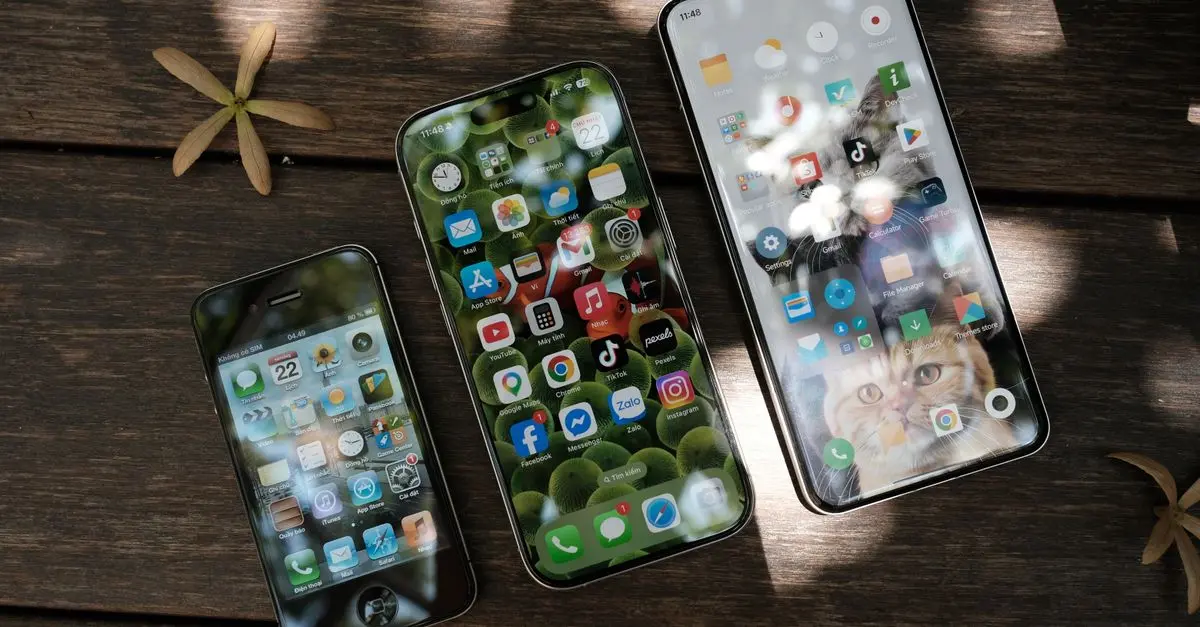
In today's fast-paced digital world, smartphones have become indispensable tools, serving not just as communication devices but as gateways to information, entertainment, and productivity. This article will explore the essential smartphone features to consider when making your purchase, ensuring you only buy what you truly need. From camera quality to battery life, every feature plays a significant role in enhancing your user experience.
1. Camera Quality: Capturing Memories in Style
The camera quality of a smartphone is one of the most sought-after features. With social media continuously evolving, users are increasingly inclined toward capturing high-quality photos and videos. Look for smartphones with high megapixels, advanced lenses, and AI capabilities. For instance, many models now offer features like night mode, portrait settings, and even 4K video recording. According to a 2025 survey by Les Numériques, 76% of users prioritize camera quality when buying a smartphone. An excellent camera not only allows you to take stunning pictures but also enhances video calls and streaming capabilities, ensuring you look your best during virtual meetings.
2. Battery Life: Keeping You Going All Day
Battery life is crucial for anyone who relies on their smartphone throughout the day. The typical smartphone user expects to last through a busy workday without reaching for a charger. Batteries rated at 4000mAh or more are becoming standard for modern smartphones. Additionally, many smartphones now feature fast charging and wireless charging options, so you can quickly power up your device on the go. Look for real-world use cases where battery performance meets your lifestyle—whether you travel often, use services continuously, or are a casual user, ensuring you understand what battery longevity means in your daily routine is vital.
3. Display Quality: Visual Experience at Its Best
The display quality impacts everything from streaming videos to reading content. Look for smartphones that offer OLED or AMOLED displays, which provide deeper blacks and more vibrant colors compared to standard LED screens. A display with a high refresh rate (90Hz or more) improves navigation and overall user experience, particularly for gamers. Check out reviews and user experiences, as they offer insights into how the display performs in varying lighting conditions. Ultimately, a high-quality display can significantly enhance your enjoyment of digital content.
4. Processing Power: Smooth Operation and Performance
The processor plays an essential role in how your smartphone performs. Choosing a smartphone with a powerful chipset ensures smooth operation whether you’re multitasking, gaming, or using demanding apps. Chipsets such as the Apple A-series or the Qualcomm Snapdragon series have proven to deliver excellent performance levels in various hands-on tests. Additionally, ensure the device has adequate RAM (at least 6GB) for optimal multitasking capabilities. Many users find a lagging phone frustrating; investing in a smartphone with a strong processor will alleviate this common issue.
5. Operating System: Android vs. iOS
The choice between Android and iOS can significantly affect your smartphone experience. Both have distinct features, usability, and app ecosystems. Android offers more customization options, while iOS provides security and streamlined software updates. Before you decide, reflect on your past experiences with smartphones and identify what software features have been more beneficial for your lifestyle. Remember, user preference often dictates satisfaction—what works for one might not work for another.
6. Security Features: Protecting Your Device and Data
In an era of rising data breaches, security features are more critical than ever. Look for smartphones that offer biometric security options such as fingerprint sensors or facial recognition. Additionally, built-in encryption and regular security updates from manufacturers are metrics of a secure device. Finding a smartphone that prioritizes user security can save you headaches in the long run, protecting sensitive information and personal data.
7. Storage Options: Ample Room for Everything
Consider how much data you need to store before purchasing a smartphone. Most users underestimate their storage needs, leading to frustrations later. A phone with at least 128GB of internal storage is often recommended for average users as it provides sufficient space for apps, media, and documents. Additionally, check if the phone supports microSD cards for expandable storage, which can be a game changer if you frequently download movies, photos, and apps.
8. Connectivity Options: The Latest Technology
Connectivity options can greatly enhance how you use your smartphone. Look for features such as 5G capability, Wi-Fi 6 support, and Bluetooth 5.0 compatibility. These can improve your internet speeds and enhance connections with other devices, making your digital experience more seamless. The demand for high-speed connectivity is on the rise; therefore, preparing for future advancements is a wise investment.
9. Price vs. Quality: Finding Your Perfect Fit
While it's tempting to go for the latest models with flashy features, always assess the cost versus quality of a device. Mid-range smartphones often provide excellent value without breaking the bank. According to current trends, spending between $400 to $800 will usually yield a device that covers all essential features without compromising on hardware quality. Researching diverse models and weighing their pros and cons can help you identify a phone that fits your budget and meets your needs.
10. Brand Reputation and Customer Support
Brand reputation significantly impacts your purchase decision. Established brands usually provide reliable customer service and support, ensuring you have assistance when needed. Look into user reviews and the company’s history in product reliability and service support. A reputable brand will also provide software updates more regularly, ensuring your device remains secure and up to date.
Conclusion: Planning Your Purchase
When considering your next smartphone purchase, ensure you prioritize the features that align best with your lifestyle and personal preferences. Consider camera quality, battery life, display, processing power, and overall usability. Remember, the right smartphone enhances your daily activities and meets your mobile demands effectively.
Checklist Before Purchase
- [ ] Review camera specifications
- [ ] Assess battery life performance
- [ ] Check display quality and refresh rate
- [ ] Consider the processor and RAM
- [ ] Compare Android and iOS features
- [ ] Investigate security measures
- [ ] Confirm storage options
- [ ] Evaluate connectivity capabilities
- [ ] Balance price against quality
- [ ] Research brand reputation
Glossary
| Term | Definition |
|---|---|
| mAh | Milliamperes per hour; a unit to measure battery life. |
| OLED | Organic Light Emitting Diode, a display technology. |
| 5G | Fifth generation mobile network technology. |
> 🧠 Quiz rapide : What feature do you consider most important when buying a smartphone?
> - A) Camera Quality
> - B) Battery Life
> - C) Price
> Réponse : A — As camera quality is crucial for modern users capturing memories and content.
📺 Pour aller plus loin : Essential Tips for Buying a Smartphone, a complete guide on key considerations. Recherchez sur YouTube : "tips for buying a smartphone 2026".
📺 Pour aller plus loin : tips for buying a smartphone 2026 sur YouTube
Recommended products
Selected by our experts