Table of Contents (10 sections)
In an age where almost everyone captures moments on the go, the demand for high-quality smartphone photography has skyrocketed. People no longer rely solely on dedicated cameras for beautiful shots; they seek out the best smartphones for photography. These devices not only come equipped with advanced technology but also aim to enhance user experience with various creative features. As we explore what makes a smartphone great for photography, consider aspects like lens quality, software optimization, and low-light performance, which all play vital roles.
What to Look for in a Smartphone Camera
When searching for the best smartphones for photography, it is essential to pay attention to several characteristics. Here are key features to consider:
- Megapixel Count: While more megapixels often indicate better resolution, it's not the sole determining factor. A 12 MP camera can outperform a 48 MP one if the sensors are better engineered.
- Lens Quality: The type of lenses used and their aperture size impact light intake. A wider aperture (like f/1.8) is favorable for low-light conditions, creating attractive bokeh effects.
- Image Processing Software: Advanced software algorithms help improve image quality. For instance, features like HDR, portrait mode, and low-light capabilities can make a significant difference in outcomes.
- Optical Zoom: Unlike digital zoom, optical zoom enables further clarity and detail in images without losing quality. Look for models with multiple lenses that provide optical zoom capabilities.
- Video Recording Features: Increasingly, smartphones are equipped with advanced video features, including 4K recording or slow-motion options, appealing to those who enjoy videography along with photography.
Top Brands and Their Highlights
Several brands dominate the smartphone photography scene, each offering unique advantages:
- Apple: Known for its iPhone series, Apple uses excellent software that works well with its hardware. The latest models incorporate advanced computational photography techniques, producing stunning photographs in any condition.
- Samsung: With its Galaxy S and Note series, Samsung offers powerful camera configurations, comprehensive features, and customizable settings that appeal to photography enthusiasts. Its bright and vibrant displays also enhance the preview experience.
- Google: The Pixel line is renowned for its impressive image processing capabilities, producing sharp images with great dynamic range thanks to its machine learning approach. Customers praise the Night Sight feature for low-light photography.
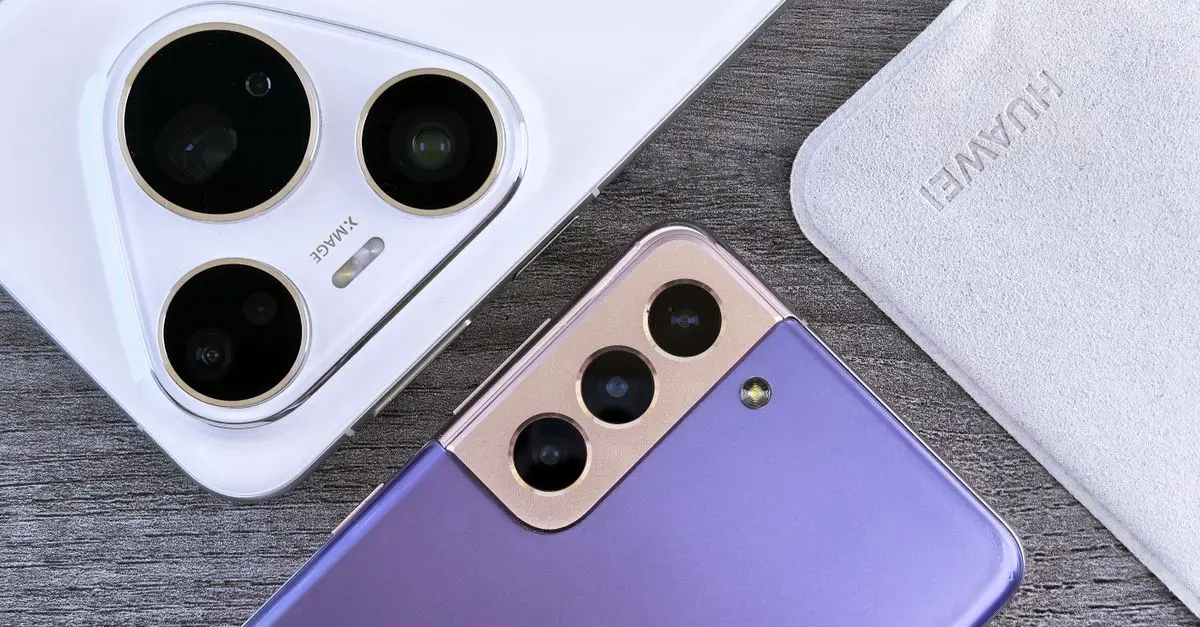
- Huawei: Despite geopolitical challenges, Huawei continues to deliver some of the best smartphone cameras. Their lens collaborations with Leica result in impressive hardware, and features like AI enhancements lead to exceptional photography.
Comparison of Smartphone Brands
To better understand how brands stack up against each other, here’s a comparative table:
| Feature | Apple (iPhone) | Samsung (Galaxy) | Google (Pixel) | Huawei (P Series) |
|---|---|---|---|---|
| Megapixels | 12-48 MP | 12-108 MP | 12.2 - 50 MP | 40-50 MP |
| Aperture | f/1.6 - f/2.2 | f/1.8 - f/2.2 | f/1.7 | f/1.6 - f/1.8 |
| Low-Light Performance | Excellent | Very Good | Exceptional | Excellent |
| Optical Zoom | 2x on some models | 10x on premium | N/A | 5x - 10x |
| Image Processing | Superb | Very Good | Outstanding | Very Good |
As we move forward into 2026, the evolution of smartphone photography continues to impress. Manufacturers now incorporate AI technology that dramatically enhances shooting capabilities. For instance, these improvements can include better portrait effects, automatic scene detection, and dynamic adjustments based on environmental conditions. Users desire more flexibility and creativity from their devices, prompting brands to push the boundaries of hardware and software.
Moreover, smartphone photography's integration with social media platforms demands quicker processing times and more robust features. We've already noticed substantial advancements in augmented reality (AR) applications tied to photography, allowing users to place digital assets into the real world through their devices. Consequently, understanding user preferences and emerging trends remains paramount for brands aiming to maintain competitive edges in this dynamic market.
📺 Resource Video
> 📺 For further insights: The Evolution of Smartphone Cameras, an extensive overview of smartphone advancements in photography. Search on YouTube: smartphone camera technology 2026.
Expert Insights
> 💡 Expert Opinion: As a seasoned photographer, I can attest to the transformative power of smartphones in the photography realm. The convenience and features available in modern devices encourage spontaneity and creativity. As someone who has tested various models, I suggest considering your specific needs—whether it's low-light performance or video features. Overall, the integration of AI tools helps us capture moments even better than before.
Glossary
| Term | Definition |
|---|---|
| Megapixel | A unit that measures image resolution; one megapixel equals one million pixels. |
| Aperture | The opening within a lens that allows light to enter; lower f-numbers signify larger openings. |
| Optical Zoom | A feature that uses lenses to magnify an image without quality loss, unlike digital zoom. |
Checklist before purchase
- [ ] Consider your primary use (photos or videos?)
- [ ] Check camera specifications (megapixels, lens quality)
- [ ] Look for advanced software features (AI enhancements)
- [ ] Compare optics options (optical vs. digital zoom)
- [ ] Read user reviews and expert opinions