Table of Contents (15 sections)
What is 5G Technology?
5G technology represents the fifth generation of mobile network technology, succeeding its predecessor, 4G. It provides faster speeds, reduced latency, and more reliable connections, making it ideal for various applications such as streaming, gaming, and Internet of Things (IoT) devices. The significant enhancement in data transfer rates—it can reach speeds of up to 10 Gbps—enables users to download movies in seconds and enjoy uninterrupted video conferencing. Further, 5G's lower latency, often below 1 millisecond, supports real-time applications like remote surgeries and autonomous vehicles.
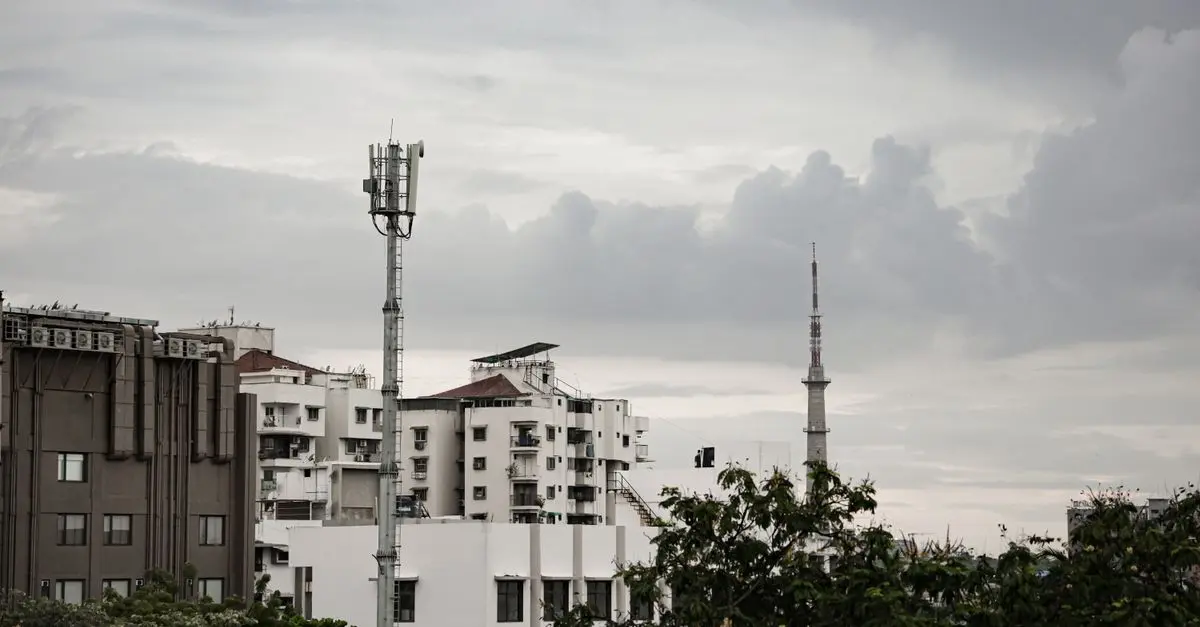
The deployment of 5G networks is based on a combination of different frequency bands: low-band, mid-band, and high-band (often referred to as mmWave). Each band has unique characteristics, such as range and speed. For example, while mmWave offers the highest speeds, it has a shorter range, making it more suitable for densely populated urban areas.
In summary, 5G technology is poised to revolutionize how we connect and communicate but comes with its own set of implications for users and providers alike.
Step-by-Step Guide to 5G Adoption
Adopting 5G technology involves several crucial steps that can enhance the user experience and ensure a smooth transition. Here’s a practical guide to getting started:
- Research Your Area: Before considering upgrading to 5G, check whether 5G coverage is available in your location. Numerous websites and mobile carriers offer coverage maps that highlight the areas with 5G service.
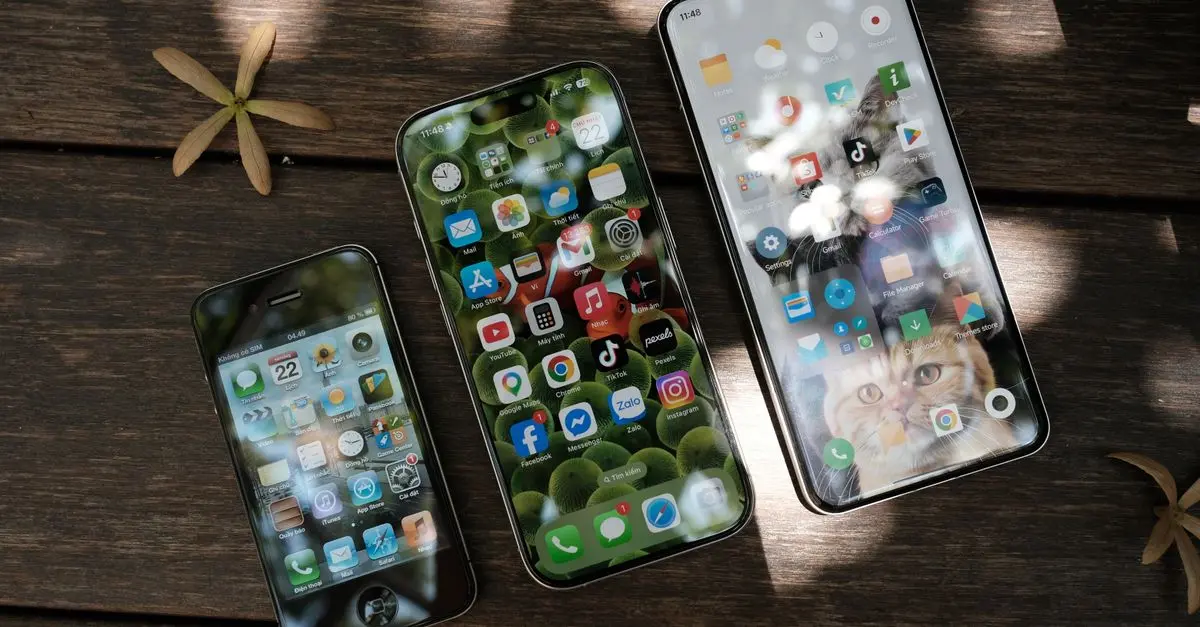
- Check Compatible Devices: Ensure that your current smartphone or device supports 5G capabilities. Many popular models from brands such as Apple, Samsung, and OnePlus have introduced 5G-ready devices.
- Consult Your Carrier: Contact your mobile service provider to determine the 5G plans available and any additional costs associated with upgrading plans. Carriers like Verizon, AT&T, and T-Mobile offer various pricing structures depending on the services included.
- Upgrade Your Plan: If you decide to switch to 5G, choose a data plan that fits your usage habits. Some plans may provide unlimited data, while others might impose caps, which is critical to consider, especially if you plan to stream high-resolution content.
- Explore 5G Features: Familiarize yourself with the new capabilities your device offers through 5G, including enhanced video streaming services, low-latency gaming options, and smart home integrations.
By following these steps, you can ensure an effective and informed transition to 5G technology.
Comparing 5G Technology: Pros and Cons
To better understand the value of 5G, we have compiled a comparative analysis of its pros and cons in a concise table format.
| Criteria | Pros | Cons | Verdict |
|---|---|---|---|
| Speed | Up to 10 Gbps, significantly faster than 4G. | Requires frequent updates and new infrastructure. | Highly beneficial |
| Latency | Low latency (<1 ms), ideal for real-time applications. | Not all devices support it yet. | Essential for some |
| Connectivity | Better connectivity for multiple devices (IoT compatible). | Potential health concerns over exposure to frequencies. | Worthwhile for smart homes |
| Cost | Competitive pricing options from various carriers. | Some plans may be more expensive than 4G. | Depends on user needs |
Moreover, low latency is another key benefit; applications like cloud gaming or augmented reality can be executed without noticeable lag, significantly enhancing user experience. The ability to connect more devices simultaneously without sacrificing speed or quality paves the way for innovations in smart homes and connected cities.
Cons Detailed
However, 5G is not without its drawbacks. The infrastructure required for its widespread implementation necessitates significant investment and may take years to realize fully, leading to areas where connectivity remains limited. Some users have expressed concerns over potential health risks associated with prolonged exposure to higher frequency signals, sparking debates in public forums.
Additionally, the cost factor can be a consideration, as many carriers offer premium plans that might be more expensive than standard 4G offerings, particularly for those who do not require the enhanced capabilities of 5G.
Data-Driven Analysis of 5G Technology
According to a report published by Gartner in early 2026, global 5G adoption is forecasted to reach over 1.5 billion subscriptions by 2026, demonstrating a rapid increase in demand. This trend indicates that industries dependent on high-speed data transfer—like telecommunications, entertainment, and transportation—are gearing up for significant expansion.
Furthermore, Statista points out that the number of IoT devices connected to 5G networks is projected to surpass 25 billion by 2030. This massive shift underscores the momentous impact of 5G technology on the digital economy and our daily lives.
In summary, while 5G technology offers transformative potential and undeniable benefits, the ongoing developments in infrastructure and user perceptions will shape its future. Decision-making should be informed by individual needs and readiness to adapt to this evolving landscape.
FAQ on 5G Technology
What are the health risks associated with 5G?
There is ongoing research regarding health risks posed by 5G exposure. However, most health organizations, including the World Health Organization (WHO), state that current evidence does not confirm any negative health effects from 5G technology.
How much faster is 5G compared to 4G?
5G can offer speeds up to 100 times faster than 4G in optimal conditions, potentially reaching speeds of 10 Gbps, making it highly advantageous for data-heavy tasks.
Is 5G available everywhere?
No, 5G networks are not yet universally available, as connectivity is highly dependent on the infrastructure laid by mobile carriers, which varies by region and city.
What devices are compatible with 5G?
Many recent smartphones and devices, particularly from manufacturers like Apple, Samsung, and Google, come equipped with 5G capabilities. It's essential to check your specific device model before upgrading.
Glossaire
| Terme | Définition |
|---|
| 5G | La cinquième génération de technologie mobile, offrant des vitesses et une latence améliorées.
| Latence | Le temps nécessaire pour qu'un paquet de données aille d'un point à un autre sur un réseau, idéalement faible pour les applications en temps réel.
| IoT | Internet des objets, désignant des appareils physiques connectés à Internet pour collecter et échanger des données.
Checklist avant achat
- [ ] Vérifier la couverture 5G dans ma région.
- [ ] S'assurer que mon appareil est compatible 5G.
- [ ] Consulter mon opérateur sur les options 5G disponibles.
- [ ] Évaluer le besoin d'un plan de données 5G.
- [ ] Explorer les fonctionnalités 5G offertes par mon appareil.
📺 Pour aller plus loin :
5G technology explained in detail, a complete overview of the advancements and implications of 5G. Search on YouTube: "5G technology benefits and drawbacks 2026".
🧠 Quiz rapide: What is the primary advantage of 5G technology?
- A) Higher costs
- B) Increased speed and lower latency
- C) Limited device compatibility
Réponse : B — 5G significantly increases speed and reduces latency compared to previous technologies.