Table of Contents (13 sections)
When it comes to choosing the right smartphone, it isn't just a matter of picking a popular model or the latest gadget. The process involves understanding your own needs, preferences, and how you intend to use the device. In the saturated smartphone market, this guide will provide comprehensive insights and tips to ensure you land a device that aligns perfectly with your lifestyle.
1. Identify Your Primary Needs
Before diving into brands and specifications, take a moment to list out what you primarily need from your smartphone. Are you a photography enthusiast looking for an impressive camera system? Perhaps you’re more focused on performance for gaming, or maybe battery life is your deal-breaker. Knowing your priorities will help you narrow down your options effectively.
2. Consider Your Budget
Smartphones can range from budget to premium pricing. It’s essential to set a budget that is realistic for your financial situation. Remember, spending more does not always guarantee a better device. In 2026, mid-range phones have increasingly powerful features that can cater to a wide range of user needs. Look for smartphones that offer the best value within your desired price range.
3. Research Operating Systems
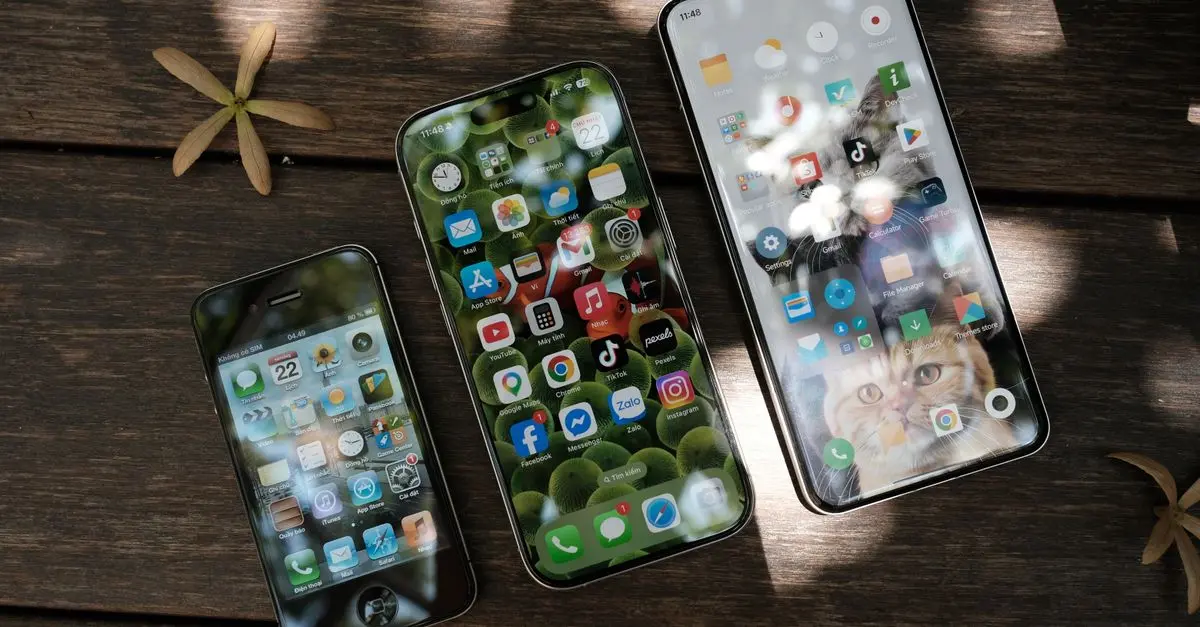
Currently, the two dominant operating systems are iOS and Android. Each has its unique ecosystem, functionalities, and user experiences. iOS is known for its smooth interface and high-quality applications, while Android is more customizable and offers a wider range of hardware choices. Determine which system aligns better with your preferences and familiarity. According to Ben Sweeney, a tech analyst, more users prefer Android due to its flexibility, especially for bespoke applications.
4. Compare Specifications
Once you've established your needs and budget, start comparing specifications. Key features to look at include:
- Processor Speed: A faster processor means better performance.
- RAM: More RAM means better multitasking capabilities.
- Storage Options: Check if it has expandable storage if you plan on storing a lot of media.
Example Comparison Table
| Feature | Option A | Option B | Option C |
|---|---|---|---|
| Processor | A12 Bionic | Snapdragon 888 | Exynos 2100 |
| RAM | 4 GB | 6 GB | 8 GB |
| Storage | 128 GB | 256 GB | 512 GB |
| Battery Life | 20 hours | 18 hours | 15 hours |
| Verdict | Best for gaming sessions | Best for photography | Best overall performance |
5. Explore Camera Capabilities
For many users, the camera is a critical feature when choosing a smartphone. Modern devices are equipped with multiple lenses for different photography styles — wide angle, telephoto, and even macro. If you enjoy taking photos, research reviews and sample images to assess how they perform in natural light and low-light conditions.
6. Check for Software Updates
Staying current with software updates can significantly enhance your smartphone experience. Check how frequently a manufacturer rolls out updates for your preferred models. Apple generally provides software updates for several years, while some Android brands vary widely. Samsung, for instance, has improved its software longevity significantly, indicating a shift towards better overall user experience.
7. Battery Life and Charging
Nobody wants a smartphone that dies before lunchtime! Often overlooked, battery capacity (measured in mAh) plays a critical role in daily usability. Furthermore, check the charging options available. Fast charging, wireless charging, and battery efficiency are key considerations that directly affect user experience.
8. Look for User Experience Feedback
Before finalizing your choice, check forums, user reviews, and customer feedback. Platforms like Reddit or Quora can give insights into everyday experiences users have with specific models. These firsthand accounts can illuminate potential concerns or strengths that spec sheets may not fully capture.
9. Think About Accessories
Consider any accessories you'll need that can enhance your smartphone experience. Will you require a protective case? A screen protector? If you’re into photography, are there lens attachments or grip handles you might want? Also, compatibility with other devices like smartwatches or earbuds can be an essential factor.
10. Future-Proof Your Choice
Smartphone technology evolves rapidly. When making your choice, consider the longevity of your device. Prioritize models that support newer technologies like 5G, stronger security features, and Wi-Fi 6. According to Gartner, as of early 2026, over 50% of mobile users will have switched to 5G devices, indicating a trend worth following.
Checklist Before Purchase
- [ ] Define my primary smartphone needs
- [ ] Set a clear budget
- [ ] Choose between iOS and Android
- [ ] Compare key specifications
- [ ] Investigate camera performance
- [ ] Ensure software update availability
- [ ] Look into battery life and charging options
- [ ] Read user experiences and reviews
- [ ] Consider necessary accessories
- [ ] Think about future-proofing my choice
Glossary
| Term | Definition |
|---|---|
| 5G | The fifth generation of mobile network technology, offering faster speeds and more reliable connections. |
| RAM | Short-term memory in a device enabling it to run multiple apps smoothly without lag. |
| iOS | An operating system created by Apple for its devices, known for its user-friendly interface and tight integration across hardware. |
> 💡 Expert Opinion: Always prioritize what features matter most for your smartphone usage. After all, the best phone for someone else may not fit your unique needs.
📺 To go further: A comprehensive review of the best smartphones of 2026, detailing all the latest features and user experiences. Search on YouTube:
best smartphones 2026 review.
📺 Pour aller plus loin : best smartphones 2026 review sur YouTube
Recommended products
Selected by our experts
