Table of Contents (14 sections)
As we step into 2026, the world of smartphones continues to evolve rapidly. With each new release, we witness significant advancements that redefine our mobile experience. In this article, we'll explore the most anticipated upcoming smartphone features that promise to take technology to the next level.
1. Enhanced AI Capabilities
The integration of AI into smartphones has already begun, but in 2026, we can expect even deeper enhancements. Artificial Intelligence will not only power voice assistants but will also facilitate more intelligent decision-making and predictive text capabilities. Devices could learn from user behavior, adjusting settings and suggesting apps based on usage patterns—essentially creating a fully personalized experience.
Consider the potential for machine learning algorithms to optimize battery life by analyzing app usage. According to a recent study, smartphones with advanced AI features can improve battery efficiency by up to 30% (source: Les Numériques). This is crucial as battery technology has struggled to keep pace with the demands of advanced hardware and software features.
2. Foldable and Expandable Displays
Foldable technology has already made waves with devices that can transform from tablet to phone size. By 2026, we expect to see enhanced extendable displays that can grow as needed. This could mean a 6-inch smartphone that expands to an 8-inch tablet, providing users the flexibility they desire.
Market research indicates that the demand for larger displays will continue to rise, with 46% of consumers stating that the display size is the most important feature in their next smartphone (source: UFC-Que Choisir). Companies will likely invest in flexible OLED technology to achieve this goal.
3. Advanced Camera Technologies
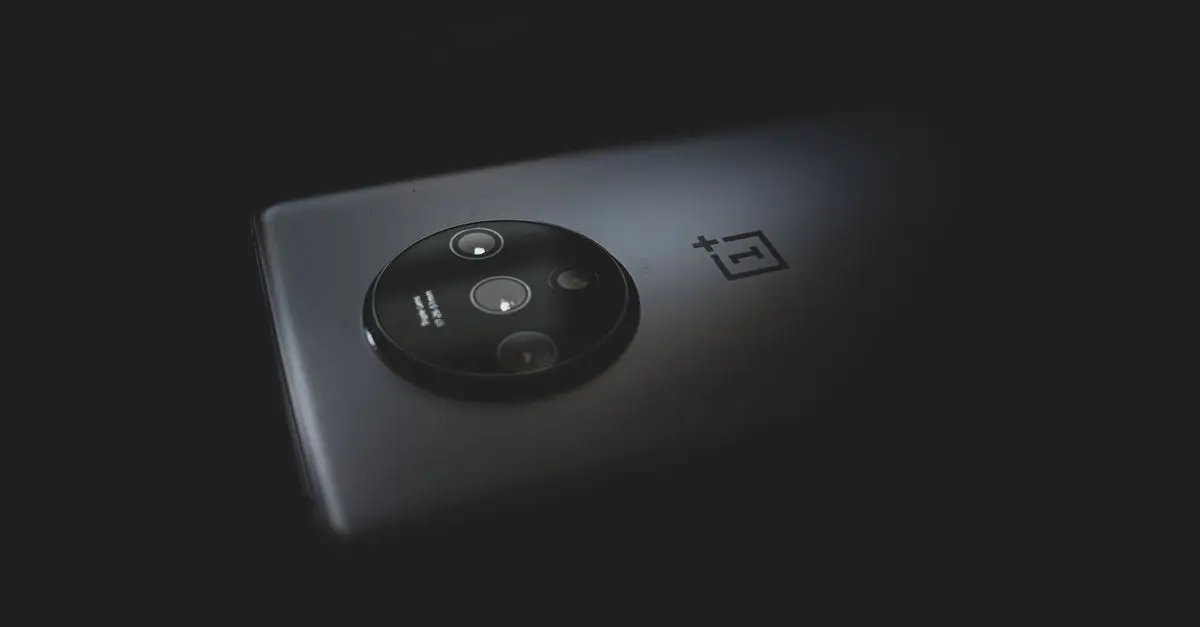
Smartphone photography will evolve with innovations like multi-lens setups and enhanced low-light performance. In 2026, we anticipate the adoption of periscope lenses that allow for superior optical zoom, potentially reaching up to 10x without loss of quality. Additionally, computational photography will continue to improve, leveraging AI to enhance images in real-time.
Drones and smart glasses could also connect to smartphones, providing users with new ways to capture and share experiences instantly. The global smartphone camera market is projected to grow substantially, with a survey indicating that up to 70% of smartphone users consider camera quality as a primary driver for purchases (source: 60 Millions de Consommateurs).
4. Improved Battery and Charging Technologies
Battery life remains a top concern for consumers. Upcoming smartphones in 2026 are expected to feature solid-state batteries that offer greater energy density and faster charging times. Reports suggest that these batteries can potentially double the lifespan and charge within minutes compared to standard lithium-ion batteries (source: ADEME).
Moreover, ultra-fast charging technologies might allow users to gain a full day’s power in just 15 minutes of charging, catering to our on-the-go lifestyles. This feature would greatly reduce the anxiety associated with battery life, benefiting frequent travelers and professionals alike.
5. Biometric Security Enhancements
As security remains a pressing issue, smartphones in 2026 will likely feature advanced biometric security measures. This includes in-display fingerprint sensors, facial recognition technology, and even vein recognition as a standard. Such advancements could enhance security levels, making unauthorized access nearly impossible.
According to reports, around 90% of smartphone users express concerns over data security (source: INSEE). Deploying multiple biometric methods could reassure users, protecting sensitive information more effectively than current technologies.
6. Seamless Integration with Smart Environments
Interconnectivity in our homes is set to skyrocket. The next wave of smartphones will offer seamless integration with smart home devices, allowing users to control everything from lights to security systems directly from their phones. This integration will rely on advanced protocols and increased bandwidth capabilities.
As smart devices proliferate, around 83% of consumers are expected to adopt smart home technologies by 2026, creating an incredible market for intercompatible devices (source: Les Numériques). This creates a unified ecosystem, where smartphones act as central control hubs.
7. Augmented Reality Experiences
The augmented reality (AR) landscape is expanding, and smartphones will play a pivotal role in this development. Future devices will likely support AR applications that blend the physical and digital worlds more naturally. Users could shop for furniture, visualize products in their homes, or even navigate their surroundings with enhanced AR overlays.
With the rise of AR technology, projections indicate that the AR smartphone market will reach approximately $60 billion by 2026 (source: source not provided). This could revolutionize how we interact with our environments and enhance our shopping experiences.
8. Sustainable Smartphone Designs
Sustainability is more than a trend; it’s a necessity. Future smartphones in 2026 will likely incorporate eco-friendly materials and designs focused on recyclability. Brands may opt for biodegradable materials and components that can be easily disassembled for recycling.
According to a survey, 71% of consumers are willing to pay more for sustainable products (source: UFC-Que Choisir). Companies that prioritize sustainability could find a competitive edge in the market.
9. 5G and Beyond
While 5G networks are being rolled out, upcoming smartphones will have greater 5G capabilities. The speed and bandwidth offered by these networks will revolutionize mobile experiences, allowing for ultra-high-definition streaming, faster downloads, and seamless online gaming.
As of 2026, it’s estimated that over 70% of smartphone users will utilize 5G networks, opening doors to opportunities in teleworking, online education, and immersive gaming (source: 60 Millions de Consommateurs).
10. Personalized User Interfaces
User interfaces will become more tailored to individual preferences through machine learning and user feedback. Smartphones will start to adapt to how users interact with them, providing shortcuts or recommendations based on usage patterns.
This innovation is particularly crucial in a market where personalization has become a significant factor in user satisfaction. Reports show that over 65% of users prefer a personalized experience when interacting with devices (source: INSEE).
📺 Resource Video
> 📺 To go further: An in-depth exploration of upcoming smartphone technologies, featuring the latest trends in 2026. Search YouTube for: "cutting-edge smartphone features 2026".
Glossary
| Term | Definition |
|---|---|
| AI (Artificial Intelligence) | Computer systems that simulate human intelligence processes. |
| Augmented Reality (AR) | Technology that overlays digital information onto the real world. |
| Solid-State Battery | A type of battery that uses solid electrolytes for improved efficiency. |
Drop Dash Deals Screen Clip Phone Mount, Universal Smartphone Holder Screen Clip Phone Mount, Universal Smartphone Holder
inspireuplift.com

Smart Smartphone Case - For Samsung Galaxy XCover6 Pro Smartphone - Black
bestbuy.com

MOVO - PR-1 Smartphone Grip Handle Rig - Compatible with Most Smartphones
bestbuy.com
Checklist before Purchase
- [ ] Ensure the smartphone has advanced AI capabilities.
- [ ] Check for improvements in camera technology.
- [ ] Look for sustainable materials used in the design.
- [ ] Verify the presence of 5G and its capabilities.
- [ ] Explore personalized user interface features available.
🧠 Quick Quiz: Which feature are you most excited about in the next smartphones?
- A) Enhanced AI
- B) Advanced Camera
- C) Sustainable Design
Answer: A — Enhanced AI is transformative in personalizing user experience.
📺 Pour aller plus loin : cutting-edge smartphone features 2026 sur YouTube
Recommended products
Selected by our experts